Categories
Saved Web Pages

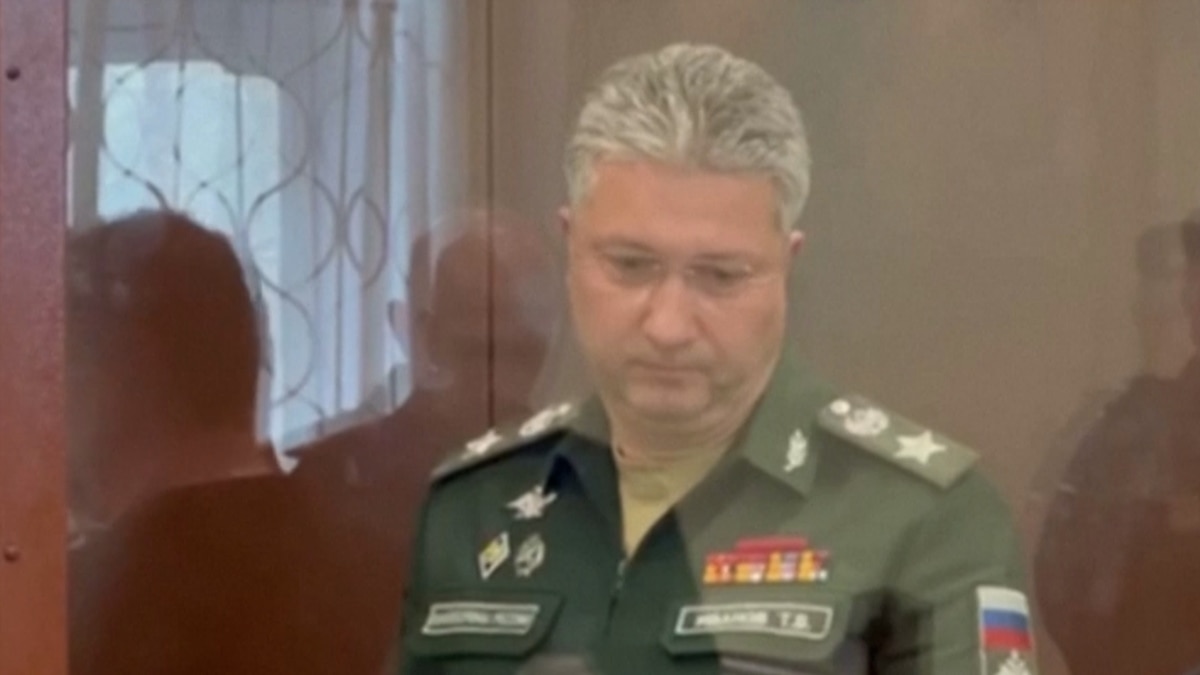
The Arrest of Russia’s Deputy Defense Minister Has Broken a Taboo


TimurIvanov_1420.jpg

The ongoing state of war and uncertain future mean that the Russian elites cannot make long-term plans, which encourages them to flout the old rules, live for today, and undertake power moves to score a win against their rivals.

The arrest of Russia’s deputy defense minister, Timur Ivanov, at the height of the country’s war against Ukraine is a conspicuous sign of divisions within the Russian government. Influential groups vying for power are now attacking each other even more aggressively than before the war, and it’s no longer just lone players or minor representatives of the various clans who are at risk, but central figures too. And with Ivanov’s protector, Defense Minister Sergei Shoigu, in favor with Russian President Vladimir Putin, it seems even the patronage of the head of state no longer affords protection against interclan squabbles. 

In an unexpected turn of events, the deputy defense minister was arrested immediately after a meeting with Defense Ministry colleagues—including Shoigu—on April 23 and charged with taking bribes. News of his arrest broke late that evening, but without the images of searches of luxurious properties or the discovery of huge sums of cash in a safe that usually accompany arrests for corruption in Russia. Ivanov subsequently appeared in court in military uniform, even though arrested generals are typically tried in civilian clothing to avoid tarnishing the image of the armed forces.

These unusual optics suggest that the deputy minister’s arrest was planned in haste. Further indirect evidence of that is the silence of Ivanov’s immediate boss Shoigu, who appeared blindsided by the arrest of his deputy.

Indeed, those behind the case against Ivanov had every reason to act swiftly, since this could well turn out to be a landmark case for the Putin regime. The deputy minister is the highest-ranking serving Russian official to face criminal charges since former economy minister Alexei Ulyukayev was arrested in 2016. Ivanov could in fact be described as an even bigger heavyweight than Ulyukayev: he controlled far larger sums of money, and in practice had much more influence and authority.

No less important is the fact that Ulyukayev was a lone figure within the state apparatus, while Ivanov is a prominent representative of an influential clan. That clan includes Shoigu himself; Gennady Timchenko, a businessman close to Putin; Federation Council deputy speaker Yury Vorobyov and his son, Moscow region governor Andrei Vorobyov; and many other less high-profile officials and businessmen.

Ivanov was effectively in charge of an important resource for this clan worth trillions of rubles: all the Defense Ministry’s infrastructure projects. In this sense, the charges against Ivanov are a direct attack on the Shoigu/Timchenko group. 

Shoigu’s nemesis is considered to be Viktor Zolotov, the head of Russia’s National Guard (Rosgvardiya) and former head of the Federal Protective Service tasked with protecting senior officials, who has long sought to gain control of the Defense Ministry. Zolotov tried unsuccessfully in both the mid-2010s and in 2022–2023 to get his former subordinate Alexei Dyumin—one of Putin’s favorite bodyguards—promoted to head of the ministry. 

About eighteen months ago, Yevgeny Prigozhin, the infamous head of the Wagner mercenary group, launched a campaign against Shoigu with Zolotov’s backing. The Rosgvardiya group was ready and waiting with two candidates to replace him: Dyumin and General Sergei Surovikin, who is popular in army circles.

But Shoigu managed to fight back and even settle some scores with his opponents. Prigozhin was killed in mysterious circumstances soon after staging an unsuccessful mutiny, while Surovikin fell from grace and was dismissed. Later, the defense minister managed to get firmly back into the president’s good books when the Ukrainian counteroffensive last summer proved unsuccessful and the Russian military managed to regain the initiative.

Given that Putin likes to publicly cite the Defense Ministry’s press releases about the numbers of Ukrainian soldiers killed and volume of military equipment destroyed, the Shoigu clan was widely expected to retain its position in the government reshuffle due to follow Putin’s inauguration in May, and perhaps even increase its influence. It would appear that this prospect prompted the defense minister’s opponents to launch an urgent offensive by arresting one of the clan’s most prominent representatives.

The case against Ivanov should at the very least stop the expansion of the Shoigu clan. Now the minister will be forced to divert some of his attention to making sure the post of his deputy in charge of infrastructure does not go to an outsider. At most, the arrest of such a close ally could lead to the resignation of the minister himself, especially if reports that Ivanov may face charges for treason as well as graft prove to be true.

In securing the arrest of Ivanov, Shoigu’s enemies resorted to a move previously considered taboo in Russia’s interclan squabbles. While there has been no shortage of arrests of senior officials in the past, they were all peripheral figures or minor representatives of influential clans. There was an unspoken agreement not to touch prominent representatives of clans that control significant resources. Ivanov’s arrest shows that not everyone is prepared to keep abiding by this unwritten rule. Also notable is the distinct lack of regard for the opinion of the president, who is clearly favorably disposed to the defense minister right now.

This significantly raises the stakes in the infighting among the elites. Once one player breaks a taboo and gains an unfair advantage by doing so, other more disciplined groups will soon follow suit.

There were already signs that more and more rules were being ignored in the interclan fighting. Traditionally, the duration of a presidential campaign has been considered a time of truce in Russia, so as not to disrupt the work of the state apparatus to ensure the desired outcome.

This year, however, that rule was also broken, with several high-profile criminal cases being brought against regional heavyweights ahead of March’s presidential election. Most notable was the arrest of the head of the Samara region government, Viktor Kudryashov, who was also brought down by the Rosgvardiya group as part of the clan’s war against the region’s governor, Dmitry Azarov. 

The war against Ukraine was also initially considered a time of truce. Putin has said repeatedly that everyone in Russia, including the elites, has rallied together in the face of an external threat and is working as one for the good of the motherland. For a while, the infighting really did subside, before erupting again with renewed viciousness, as the prewar rules were abandoned one after another. 

The issue is not just that there are fewer resources to go around because of the war and sanctions. The ongoing state of war and uncertain future mean that the elites cannot make long-term plans, which encourages them to flout the old rules, live for today, and undertake power moves to score a win against their rivals. 

Another factor is that the Russian elites rely less and less on presidential arbitration. In all of Prigozhin’s chaotic battles—both with the Defense Ministry, and together with the Kovalchuk brothers against St. Petersburg governor Alexander Beglov—Putin tried to distance himself from the crises by simply letting them run their course. 

As a result, the clans around Putin are coming to the conclusion that in these internecine battles, actions speak louder than words—even the words of Putin himself. Accordingly, there will be more and more such battles within the Russian elites, and fewer and fewer rules.

Categories
Saved Web Pages

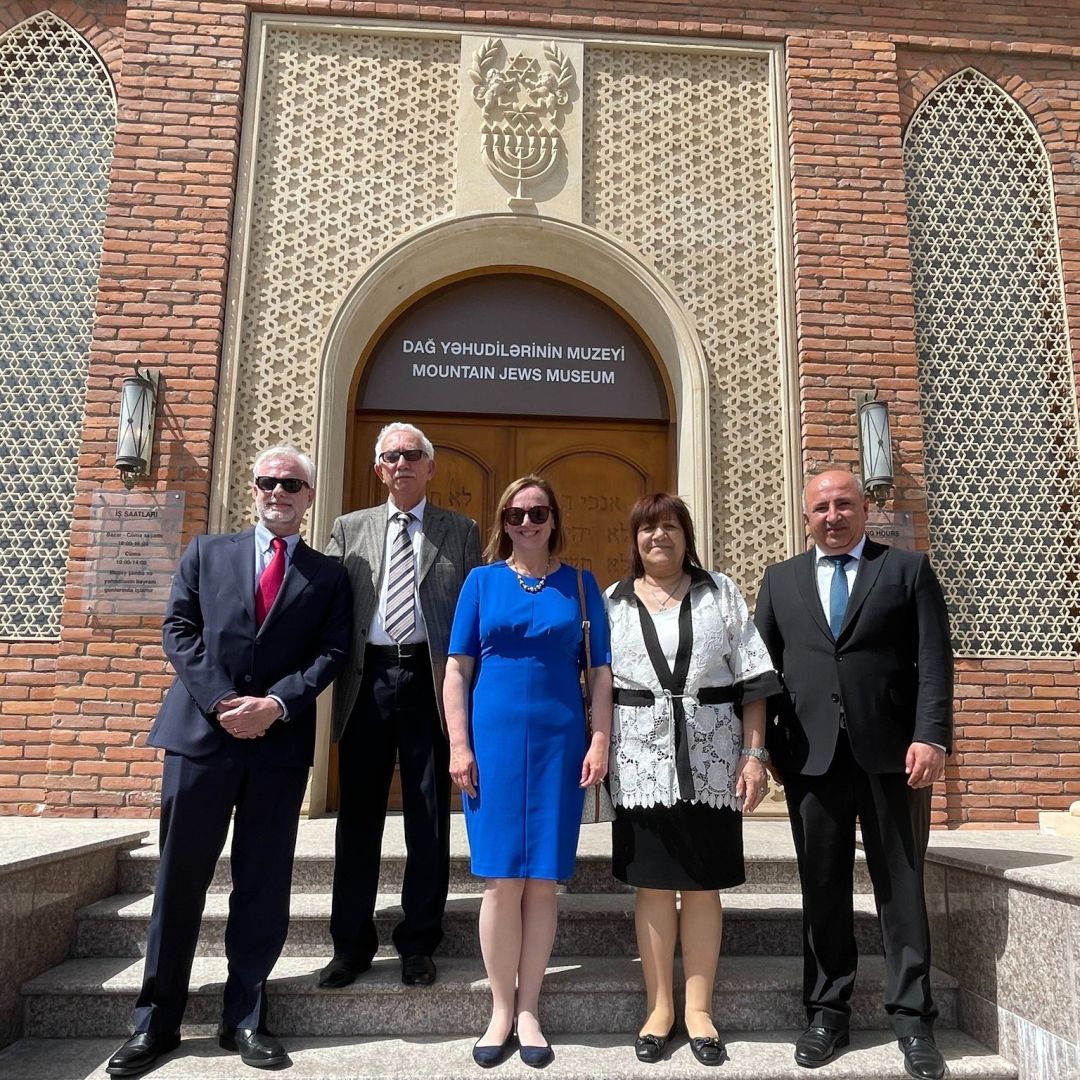
US ambassador visits Kirmizi Kasaba of Azerbaijan’s Guba district [PHOTOS]


gmvqpphx0aab8zr.jpg

The US ambassador to Azerbaijan, Mark Libby, visited the village
of Kırmızı Kasaba, Guba region.

According to Azernews, this was shared on the embassy’s official
“X” social account.

Ambassador and Danusia Libby visited the Red
Village in the Guba region to mark the Passover holiday, meet with
members of Azerbaijan’s historic Mountain Jewish community, and to
highlight our long history of support for the village and our close
friendship. During the visit,… pic.twitter.com/NWgBPWCmAe

— U.S. Embassy Baku (@USEmbassyBaku)
April 29, 2024

“The US ambassador and his wife, Danusya Libby, visited the
village of Kırmızı Kasaba in Guba district to celebrate the Jewish
Passover holiday. Here they met with representatives of the
community of Mountain Jews. They visited synagogues, museums, as
well as the Arch Bridge,” the post said.

Follow us on Twitter @AzerNewsAz


Categories
Saved Web Pages

Blinken urges Aliyev to release those unjustly detained in Azerbaijan


f662f457c39df8_662f457c39e3c.thumb.jpg

U.S. Secretary of State Antony Blinken spoke by phone with Azerbaijani President Ilham Aliyev on Sunday.

Blinken commended Aliyev for last week’s announcement that Armenia and Azerbaijan agreed to use the 1991 Alma Ata declaration as the basis for border delimitation and emphasized its importance to the two sides concluding a durable and dignified peace, the State Department said in a statement.

“The Secretary urged President Aliyev to keep up the momentum with his Armenian counterpart, reiterating U.S. willingness to support those efforts. Secretary Blinken underscored our desire for a strong U.S.-Azerbaijan bilateral relationship, noting our efforts to cooperate on mutual energy, climate, and connectivity goals, and to ensure the success of COP 29 in Baku,” it said.

“He welcomed Azerbaijan’s release of Gubad Ibadoglu to house arrest as a humanitarian gesture and called for his full, expeditious release. Secretary Blinken again urged Azerbaijan to adhere to its international human rights obligations and commitments and release those unjustly detained in Azerbaijan,” the State Department added.

Տեքստում սխալ կամ վրիպակ նկատելու դեպքում, ուղարկեք խմբագրին հաղորդագրություն` նշելով տվյալ սխալը, այնուհետև սեղմելով Ctrl-Enter:


Categories
Saved Web Pages

Brooklyn residents enjoy beautiful day at Coney Island boardwalk


662eea2ca74a5.image.jpg?crop=853%2C448%2


Categories
Saved Web Pages

What’s Behind The Arrest Of Russia’s Deputy Defense Minister?


01000000-0aff-0242-42e1-08dc6536cb7c_w12

Link has been copied to clipboard


Categories
Saved Web Pages

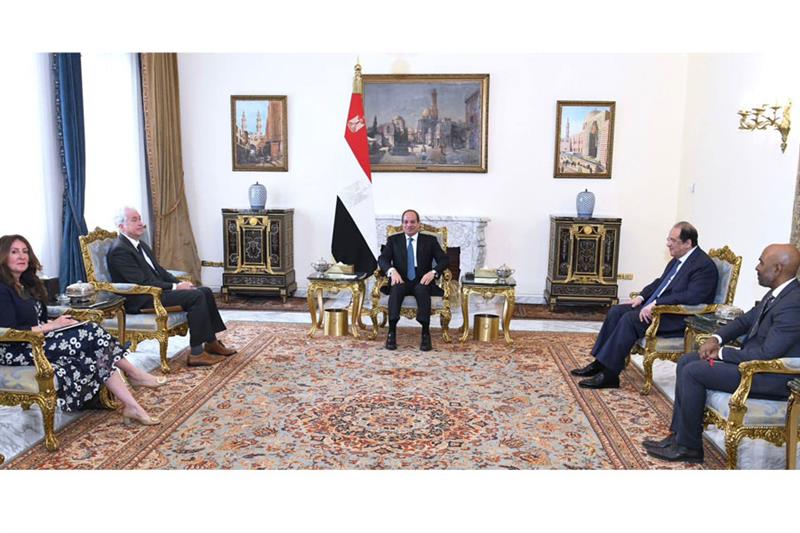
Sisi discusses Gaza ceasefire with CIA chief in Cairo meeting – Foreign Affairs – Egypt


President Abdel-Fattah El-Sisi discussed the latest efforts to reach a ceasefire in the Gaza Strip with CIA Director William Burns during a meeting in Cairo on Sunday.

Sis, CIA

During the meeting, they reviewed the Egyptian-Qatari-American ceasefire efforts, highlighting the need to intensify efforts to stop military escalation in the strip, a presidential statement read.

El-Sisi urged concerted international efforts to pressure for the immediate flow of adequate levels of much-needed humanitarian aid to all areas of the strip in order to address the humanitarian catastrophe there, the statement added

They both stressed the urgency of protecting civilians and avoiding any escalation into Rafah, categorically rejecting the displacement of Palestinians from their territories.

Moreover, El-Sisi warned against the repercussions of escalation on regional peace and stability, as the war enters its seventh month.

According to the statement, he also reiterated his call for a just settlement to the Palestinian cause, based on the two-state solution.

Truce talks


Cairo is hosting today a fresh round of talks to reach a ceasefire and detainee swap deal.

Burns, Head of Mossad David Barnea, and negotiators from Egypt and Qatar are expected to attend.

A Hamas delegation had planned to fly to Cairo on Sunday to join the talks.

Egypt and Qatar helped mediate a week-long ceasefire in late November when Hamas freed over 100 captives in exchange for 240 detained Palestinian women and children.

However, subsequent talks have failed to progress on a ceasefire or detainee swap deal.

Israel has killed at least 33,175 Palestinians and injured 75,886, most of whom are children and women, during its six-month war on Gaza.

Short link:


Categories
Saved Web Pages

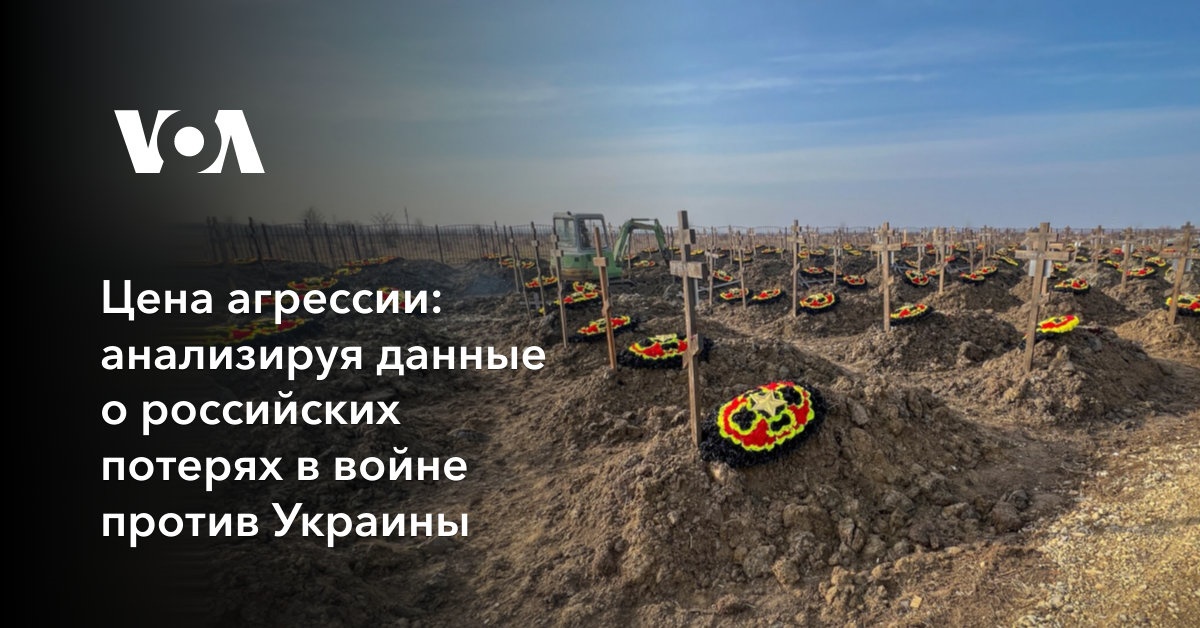
Цена агрессии: анализируя данные о российских потерях в войне против Украины


3E0E7955-EFC3-49F1-AFDD-AE81E7B80F46.jpg

Журналисты «Медиазоны» и BBC, опирающиеся на помощь волонтеров, установили, что с момента начала полномасштабного вторжения России в Украину погибли свыше 50 тысяч российских военных. Их имена идентифицированы на основании открытых источников.

Данные обновлены 5 апреля. С момента публикации предыдущего доклада, обнародованного в конце марта, количество погибших выросло на тысячу человек. При этом сами исследователи признают, что в действительности их число может быть вдвое больше.

Как отмечает проект Conflict Intelligence Team (CIT), в перечень, составленный «Медиазоной» и BBC, входит примерно 40–60% даже от общего числа военных, похороненных за этот период. По данным CIT, обнародованным в феврале 2024 года, общие потери России составили от 130 до 270 тысяч убитыми и ранеными.

В соответствии с рассекреченным в декабре прошлого года докладе разведсообщества США, агрессия против Украины обошлась России в 315000 убитых и раненых военнослужащих, что составляет почти 90 % личного состава вооруженных сил РФ, задействованных в момент начала полномасштабного вторжения.

Журналистам «Медиазоны» и BBC также удалось подтвердить имена 101 призывника, погибшего на войне. И это – несмотря на неоднократные обещания Владимира Путина не направлять срочников в зону боевых действий.

Роводитель проекта «Гражданин. Армия» и член правления международной правозащитной ассоциации «Мемориал» Сергей Кривенко сказал в комментарии для Русской службы «Голоса Америки», что полностью доверяет статистике, опубликованной «Медиазоной» и ВВС, поскольку знает, как она составляется. Как поясняет Кривенко, вся полученная журналистами информация досконально проверена и подтверждена.

«Но это – явно минимальная цифра, из чего сами расследователи не делают секрета, – уточнил он, – Я бы увеличил ее тысяч до 80 – конечно, с допуском плюс-минус. Потому что, например, далеко не все убитые найдены, и тут надо сделать определенную поправку. В 2022 году, когда ВСУ провели мощное наступление, на территории Украины осталось много мертвых тел (российских военных), и о них до сих пор нет никаких корректных сведений».

Что касается более чем сотни погибших военнослужащих-срочников, то понятно, откуда взялась такая цифра, продолжает Кривенко: «В первую очередь, это члены экипажей крейсера “Москва” и других (подвергшихся ударам ВСУ) кораблей Черноморского флота. По нашим данным, погибло несколько десятков моряков-срочников. Да, многие из них числятся без вести пропавшими. Но это происходит из-за того, что по разным причинам не все родственники обратились в суды для установления истины. Плюс срочники гибнут на приграничных с Украиной территориях в результате обстрелов. Их же направляют еще и в погранслужбу».

По сообщениям СМИ, в результате ракетного удара украинских сил по большому десантному кораблю «Новочеркасск» в декабре 2023 года погибли, как минимум, 74 моряка.

Неслучайно, что минобороны РФ всячески скрывает ужасную статистику, констатирует правозащитник. Эти шоковые цифры уже превышают все потери, понесенные советской и российской армией за годы после окончания Второй мировой, и им нет никакого оправдания, подчеркивает он он.

В проведенном нами ранее собственном исследовании по этой теме мы отталкивались от цифр, приведенных «Медиазоной» совместно с ВВС, рассказывает шеф-редактор интернет-издания Insider Роман Доброхотов. По его словам, цель исследования состояла в том, чтобы проверить, насколько соответствуют данные коллег-журналистов тем, которые Insider получил, изучив запросы о погибших в поисковиках Googl и «Яндекс».

«И мы установили вполне четкую корреляцию динамики числа убитых несмотря на то, что методы исследования у нас совсем разные, – говорит Доброхотов. – Так, зафиксированный нами резкий всплеск статистики погибших потом, с небольшим лагом во времени, отражается и в подсчетах “Медиазоны” и ВВС».

Другой вопрос – как правильно экстраполировать полученные цифры для выявления масштаба общих потерь, поясняет Доброхотов: «Это уже более сложная задача, которая решается по-разному. 50 тысяч погибших – оценка скорее консервативная. Сами журналисты предполагают, что эту цифру надо умножить на два. Следовательно, общие невозобновляемые потери будут еще больше – с учетом тяжелораненых, пропавших без вести и пленных. Если использовать коэффициент, который обычно в этих случаях применяется 1:3 – 1:4, то суммарно потери составят около полумиллиона».

Такова для России цена еще далеко не закончившейся войны, констатирует журналист.

50 тысяч – разумеется, минимальная цифра погибших, подчеркивает российский оппозиционный политик и историк Андрей Зубов. Он разделяет мнение, что в действительности она существенно выше.

«К сожалению, никакой порог жертв не заставит Кремль одуматься и начать поиск мирного решения, – подчеркнул Зубов в интервью «Голосу Америки». – Что касается общественного мнения России, то с этим сложнее. Мне поступает из России много писем и звонков, и я прихожу к выводу, что общество впало в большую депрессию. Причем это затронуло не только у тех, кто выступает против войны (а их становится все больше и больше), но и у тех, кто прежде ратовал за войну. Последние сейчас занимают по большей части раздраженно-нигилистическую позицию».

Главное – в том, что война, несмотря на огромные жертвы продолжается и конца этому не видно, констатирует Зубов: «Уже чуть не каждый день гибнут и мирные российские граждане – в том же Белгороде и других приграничных с Украиной регионах. Все это действует на людей гнетуще. Несмотря на то, что власти замалчивают цифры погибших военных, информация об этом, как и слухи, циркулируют в обществе. А в подобных ситуация коллективное сознание, как правило, не преуменьшает масштаб трагедии, а преувеличивает его».

Ведение несправедливой войны развращает людей, делает общество психически нездоровым, напоминает историк. «Это тоже можно отнести к военным потерям, причем очень чувствительным. Вспомним, как тяжело и мучительно тянулся вьетнамский синдром в США. Украинский синдром, думаю, на России отразится никак не меньше. Для будущего страны это не сулит ничего хорошего. Не говоря уже о том, что авторитарный режим деструктивен сам по себе. Плюс огромное число погибших молодых мужчин очевидным образом усугубит демографическую проблему. Эхо войны будет отзываться долго», – подчеркивает эксперт.


Categories
Saved Web Pages

The political legitimacy in general and that of Vladimir Putin


The political legitimacy in general and that of Vladimir Putin depend on many dynamic factors, and not only on the election results. In the case of Russia, the opinions of the prominent writers do count, in the usual absence of too many loud voices. 

Shishkin said: Russia is a Big Fraud (note the affinity with Trump), “lies got deeply under their skins”, and the political power in Russia is eternally (the Mongol-Tatar way, methinks) oppressive and omnipotent: “If the Authorities order them to convert to islam or become the Chinese, THEY WILL.” AND UNQUESTIONINGLY, I would add. 

Is the cause (or at least one of them), of this spiritual vacuum left by the great RASKOL in the ROC? Is the solution then the return of the OLD (and TRUE) BELIEVERS to the full ecclesiastical and political powers?

https://t.co/TVQjJL0zFe The political legitimacy, Russia, and Putin#NewsAndTimes #NT #TNT #News #Times#World #USA #POTUS #DOJ #FBI #CIA #DIA #ODNI#Israel #Mossad #Netanyahu#Ukraine #NewAbwehr #OSINT#Putin #Russia #GRU #Путин, #Россия#SouthCaucasus #Bloggers

— Michael Novakhov (@mikenov) April 6, 2024


Categories
Saved Web Pages

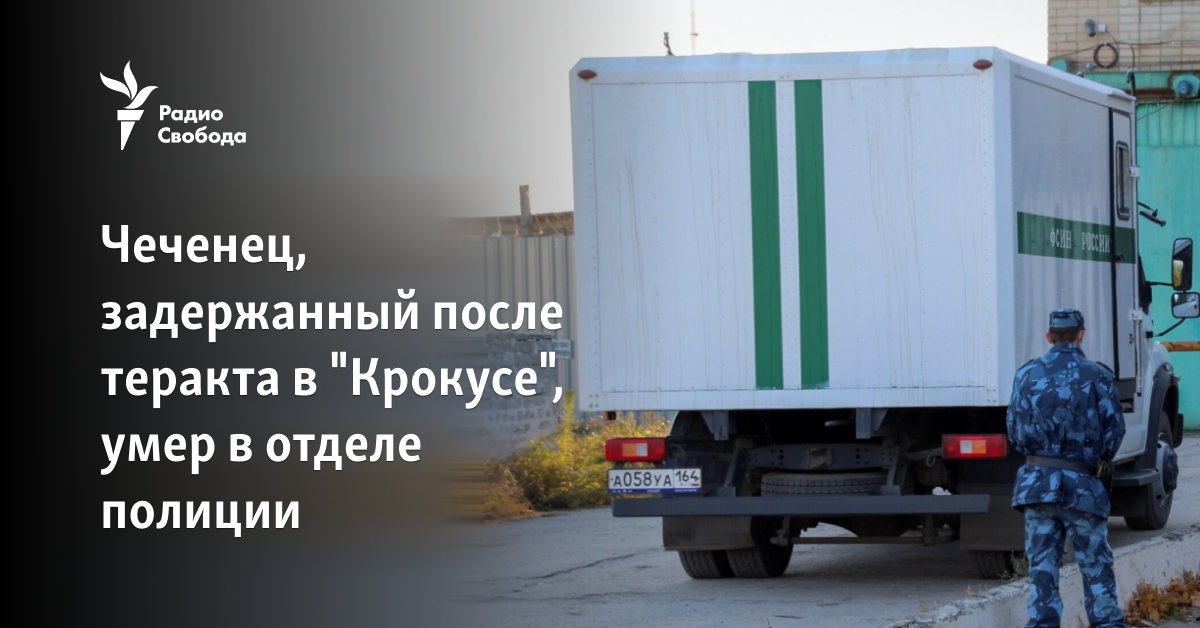
В полиции в Москве умер задержанный после “Крокуса” уроженец Чечни


3F27E000-1AC5-40A9-B359-A3A72B06BB44.jpg

Уроженец Чечни Асхаб Успанов был задержан в Москве, предположительно, в ночь после теракта в концертном зале “Крокус Сити Холл” и спустя несколько часов умер в отделе полиции. По неподтвержденным данным, его могли подвергать пыткам.

Информацию о гибели Успанова изданию “Агентство” подтвердила его мать. По ее сведениям, его задержали, когда он направлялся на работу к своей жене; он позвонил ей и сказал, что “у них на меня ничего нет” и приезжать за ним не нужно. Однако позднее он позвонил еще раз, уточнил, что нагрубил силовикам, и попросил приехать. Когда через два часа жена приехала в отделение, ей заявили, что её муж мёртв.

29 марта о гибели Успанова сообщал оппозиционный телеграм-канал 1ADAT. Утверждалось, что у Успанова были сломаны рёбра и позвоночник, на его теле следы удушения и кровоподтёки.

На 1ADAT опубликовано видео из морга, где показано тело Успанова со следами насилия. Автор ролика утверждает, что в полиции инсценировали самоубийство Успанова, чтобы скрыть преступление.

Мать погибшего заявила “Агентству”, что её сын не пошёл бы на суицид, поскольку был мусульманином, а самоубийство осуждается исламом. Также семья Успанова категорически отрицает возможность его причастности к теракту.

  • После теракта в подмосковном концертном зале “Крокус Сити Холл” в городах России участились облавы на мигрантов и россиян неславянской внешности. Мигранты жалуются на давление силовиков и ксенофобию. Их избивают, врываются к ним в общежития и выдворяют из России.
  • Четверо граждан Таджикистана, подозреваемых в участии в теракте в “Крокус Сити Холле” были задержаны 23 марта. В суд для избрания меры пресечения они были доставлены со следами избиений, один из них – в полубессознательном состоянии на инвалидной коляске. В интернете распространилось видео, на котором одному из задержанных отрезают ухо.