Categories
The News And Times Blog

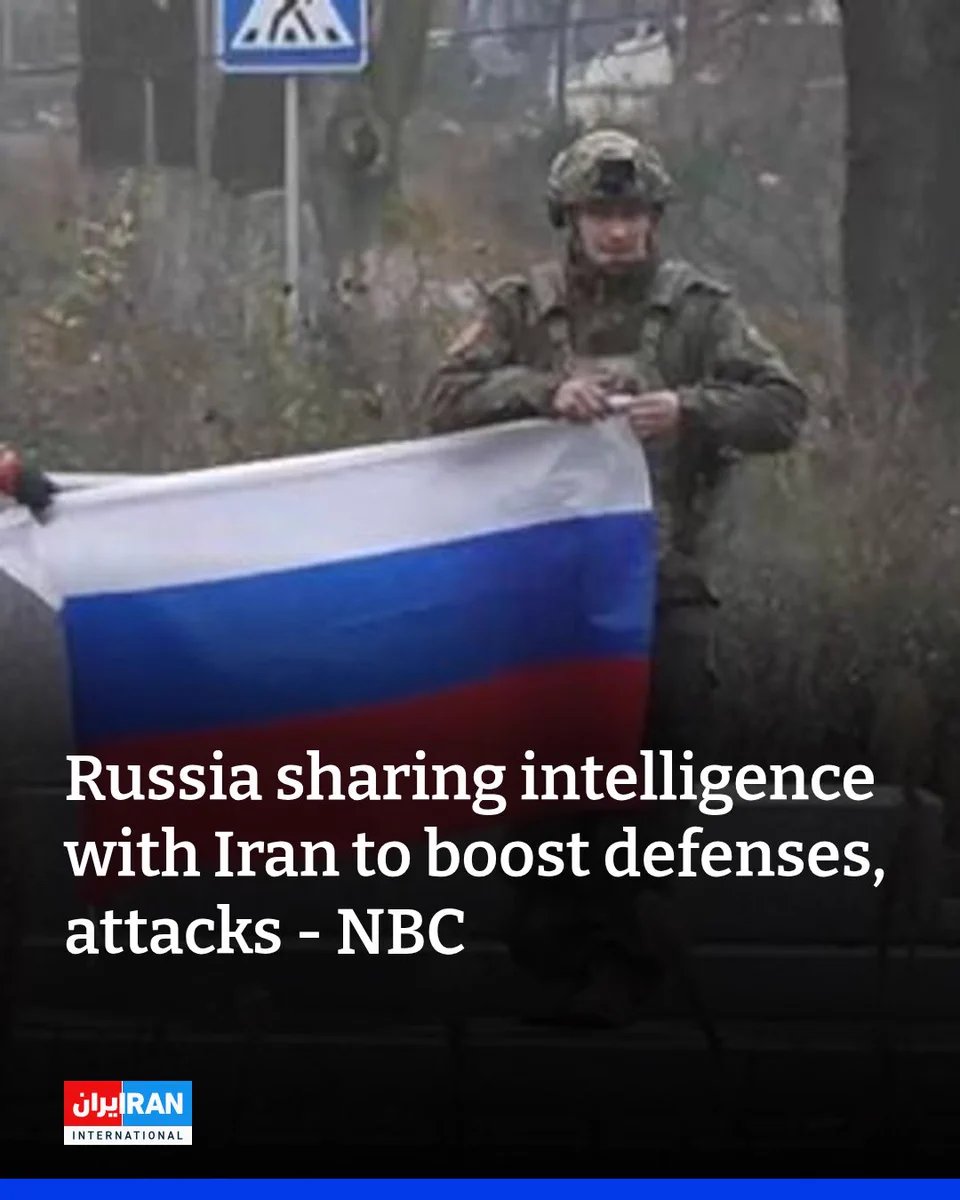
Russia allegedly shared military intelligence with Iran days after Trump dismissal – NBC News


Listen to this article

Russia allegedly shared military intelligence with Iran days after Trump dismissal — A report claims Russia provided Iran with military intelligence shortly after a key diplomatic shift, potentially altering the strategic balance in the Middle East and complicating US-Iran dynamics.


AI Report
AI Brief

Summary

Escalating geopolitical tensions dominate as the US prepares potential strikes on Iran, which vows retaliation, while domestic political and infrastructure developments in India signal shifting priorities. Reports of Russia sharing military intelligence with Iran add complexity to the Middle East crisis, and internal debates over fuel policies and education reforms reflect broader societal trade-offs.

Key Stories

US plans Iran strikes as Tehran warns of retaliation targeting US-Israel assets — The US is reportedly preparing military strikes on Iran, prompting Tehran to threaten responses against US and Israeli infrastructure. Officials suggest the scope remains fluid, but the standoff risks broader regional conflict.

Russia allegedly shared military intelligence with Iran days after Trump dismissal — A report claims Russia provided Iran with military intelligence shortly after a key diplomatic shift, potentially altering the strategic balance in the Middle East and complicating US-Iran dynamics.

PM Modi forgives protesters but FIR row persists amid Supreme Court scrutiny — Prime Minister Narendra Modi’s conciliatory video toward student protesters contrasts with ongoing legal cases, as opposition figures demand case withdrawals. The Supreme Court’s involvement may pressure the government to clarify its stance.

PM Modi inaugurates $5,000-crore airport in Andhra Pradesh to boost regional connectivity — The Bhogapuram airport launch, part of a $23,000-crore infrastructure push, aims to spur economic growth in North Andhra. The project underscores the government’s focus on regional development ahead of elections.

Ethanol fuel debate heats up as Gadkari acknowledges trade-offs in green transition — Union Minister Nitin Gadkari’s admission of challenges in ethanol-blended fuel adoption highlights tensions between environmental goals and practical concerns, fueling political and public backlash.

Global Security And Intelligence News Review – Audio Posts

Updates daily

Global Security And Intelligence News Review – Audio Posts

Global Security And Intelligence News Review – Audio Posts

1 hrs ago

Global Tensions Rise as US-Iran Standoff Escalates Amid Domestic Shifts

Summary Escalating geopolitical tensions dominate as the US prepares potential strikes on Iran, which vows retaliation, while domestic political and infrastructure developments i…

Global Security And Intelligence News Review – Audio Posts

1 hrs ago

Climate Crisis and Conflict Reshape Global Stability

Summary Wildfires, water shortages, and seismic activity highlight accelerating climate risks across Europe, while geopolitical tensions in the South Caucasus and Eastern Europe …

Global Security And Intelligence News Review – Audio Posts

1 hrs ago

Escalating Black Sea Conflict and Shifting War Dynamics

Summary Recent developments highlight Ukraine’s intensified strikes on Russian military and logistical targets in the Black Sea, including the sinking of a Russian-owned containe…

Get updates to your inbox

Global Security And Intelligence News Review – Audio Posts

1 hrs ago

Russia escalates military, economic pressure amid global sanctions

Summary Russia intensifies its military campaign in Ukraine with large-scale aerial assaults and strategic deployments near NATO borders, while simultaneously accelerating effort…

Global Security And Intelligence News Review – Audio Posts

1 hrs ago

Middle East tensions strain US resources as global conflicts escalate

Summary US military resources are stretched thin amid sustained Middle East conflicts, with naval forces unable to maintain current operational tempo without reinforcement. Escal…

Global Security And Intelligence News Review – Audio Posts

1 hrs ago

Escalating Middle East Tensions Disrupt Energy Routes and Political Alliances

Summary Recent attacks on tankers in the Strait of Hormuz and off Oman signal a sharp rise in regional hostilities, threatening global energy supplies. Iran and its proxies are e…

Global Security And Intelligence News Review – Audio Posts

1 hrs ago

Escalating Iran Tensions, Migrant Crisis, and Domestic Unrest Dominate Headlines

Summary Recent developments signal deepening geopolitical fractures, with Iran-linked conflicts escalating alongside U.S. military responses. Spain faces an acute migrant crisis …

Global Security And Intelligence News Review – Audio Posts

1 hrs ago

Escalating Tensions and Shifting Strategies in Global Conflicts

Summary Recent developments highlight intensifying geopolitical friction, particularly involving Iran, alongside domestic policy shifts and emerging security vulnerabilities. Ira…

Global Security And Intelligence News Review – Audio Posts

1 hrs ago

Cyber Threats and Political Tensions Escalate Amid FBI Scrutiny

Summary Recent developments highlight a surge in cyberattacks targeting U.S. critical infrastructure, particularly water systems, with Iranian-linked actors implicated. Simultane…

Global Security And Intelligence News Review – Audio Posts

1 hrs ago

Global Tensions Spike as Military Strikes and Diplomacy Collide

Summary Military strikes and diplomatic meetings dominated the news this week, with Russia hitting Ukraine hard while the U.S. launched airstrikes in Iran. Meanwhile, leaders lik…

Global Security And Intelligence News Review – Audio Posts

5 hrs ago

Ukraine War Escalates as Geopolitical Shifts Reshape Alliances

Summary Russia intensified missile and drone strikes on Ukraine, killing at least eight and causing widespread destruction, while Kyiv reports disproportionate Russian casualties…

Global Security And Intelligence News Review – Audio Posts

4 days ago

Tweets In Brief: The emerging Middle East Coalition

Tweets – Michael Novakhov (@mikenov) / Twitter – My News Links 1 hrs ago Global #Security and #Intelligence – AI #News Review The emerging Middle East Coalition Globa…

Global Security And Intelligence News Review – Audio Posts

5 days ago

Global #Security and #Intelligence – AI #News Review The emerging Middle East Coalition

Global  #Security and  #Intelligence – AI  #News ReviewThe emerging Middle East Coalition x.com/mikenov/status/2081726…Michael Novakhov (@mikenov) #RomanGofman of  #Mossad and t…


Global Tensions Rise as US-Iran Standoff Escalates Amid Domestic Shifts

Summary Escalating geopolitical tensions dominate as the US prepares potential strikes on Iran, which vows retaliation, while domestic political and infrastructure developments in India signal shifting priorities. Reports of Russia sharing military intelligence with Iran add complexity to the Middle East crisis, and internal debates over fuel policies and education reforms reflect broader societal trade-offs. Key Stories US plans Iran strikes as Tehran warns of retaliation targeting US-Israel assets — The US is reportedly preparing military strikes on Iran, prompting Tehran to threaten responses against US and Israeli infrastructure. Officials suggest the scope remains fluid, but the standoff risks broader regional conflict. Russia allegedly shared military intelligence with Iran days after Trump dismissal — A report claims Russia provided Iran with military intelligence shortly after a key diplomatic shift, potentially altering the strategic balance in the Middle East and complicating US-Iran dynamics. PM Modi forgives protesters but FIR row persists amid Supreme Court scrutiny — Prime Minister Narendra Modi’s conciliatory video toward student protesters contrasts with ongoing legal cases, as opposition figures demand case withdrawals. The Supreme Court’s involvement may pressure the government to clarify its stance. PM Modi inaugurates $5,000-crore airport in Andhra Pradesh to boost regional connectivity — The Bhogapuram airport launch, part of a $23,000-crore infrastructure push, aims to spur economic growth in North Andhra. The project underscores the government’s focus on regional development ahead of elections. Ethanol fuel debate heats up as Gadkari acknowledges trade-offs in green transition — Union Minister Nitin Gadkari’s admission of challenges in ethanol-blended fuel adoption highlights tensions between environmental goals and practical concerns, fueling political and public backlash.

Climate Crisis and Conflict Reshape Global Stability

Summary Wildfires, water shortages, and seismic activity highlight accelerating climate risks across Europe, while geopolitical tensions in the South Caucasus and Eastern Europe create new flashpoints. The Iran war has elevated the South Caucasus as a critical transit corridor, increasing strategic competition but also exposing regional vulnerabilities to external pressures and internal instability. Key Stories Wildfires and extreme weather disrupt Europe amid climate crisis — Greece, Spain, and France face severe wildfires driven by strong winds, forcing large-scale evacuations and firefighting efforts. Hungary’s sole nuclear plant may shut down due to record-low Danube water levels, underscoring climate-related infrastructure vulnerabilities. South Caucasus emerges as key transit hub amid Iran war fallout — The Iran war has turned Armenia, Azerbaijan, and Georgia into indispensable transit territory, bypassing blocked Hormuz and closed airspace. This new strategic value brings economic opportunities but also heightened risks of regional destabilization and external interference. Armenia and Azerbaijan pursue historic peace deal despite tensions — Negotiations for a peace treaty to resolve border disputes and trade links aim to stabilize the region, though geopolitical pressures and unresolved conflicts, such as detained Armenian hostages, complicate progress. Ukraine war escalates with drone strikes and maritime attacks — Russian drone strikes in Kyiv and Kyiv region killed at least nine and injured over 30, while Ukraine sank a Russian-owned cargo ship in the Black Sea. These incidents reflect intensifying warfare and its spillover effects on civilian infrastructure. Earthquake near Naples causes damage and disruption — A magnitude 4.7 earthquake in Italy’s Campi Flegrei volcanic area damaged buildings, disrupted transport, and triggered power outages. Authorities reported no immediate injuries but warned of potential aftershocks.

Global Tensions Rise as US-Iran Standoff Escalates Amid Domestic Shifts

Summary Escalating geopolitical tensions dominate as the US prepares potential strikes on Iran, which vows retaliation, while domestic political and infrastructure developments in India signal shifting priorities. Reports of Russia sharing military intelligence with Iran add complexity to the Middle East crisis, and internal debates over fuel policies and education reforms reflect broader societal trade-offs. Key Stories US plans Iran strikes as Tehran warns of retaliation targeting US-Israel assets — The US is reportedly preparing military strikes on Iran, prompting Tehran to threaten responses against US and Israeli infrastructure. Officials suggest the scope remains fluid, but the standoff risks broader regional conflict. Russia allegedly shared military intelligence with Iran days after Trump dismissal — A report claims Russia provided Iran with military intelligence shortly after a key diplomatic shift, potentially altering the strategic balance in the Middle East and complicating US-Iran dynamics. PM Modi forgives protesters but FIR row persists amid Supreme Court scrutiny — Prime Minister Narendra Modi’s conciliatory video toward student protesters contrasts with ongoing legal cases, as opposition figures demand case withdrawals. The Supreme Court’s involvement may pressure the government to clarify its stance. PM Modi inaugurates $5,000-crore airport in Andhra Pradesh to boost regional connectivity — The Bhogapuram airport launch, part of a $23,000-crore infrastructure push, aims to spur economic growth in North Andhra. The project underscores the government’s focus on regional development ahead of elections. Ethanol fuel debate heats up as Gadkari acknowledges trade-offs in green transition — Union Minister Nitin Gadkari’s admission of challenges in ethanol-blended fuel adoption highlights tensions between environmental goals and practical concerns, fueling political and public backlash. The post Global Tensions Rise as US-Iran Standoff Escalates Amid Domestic Shifts first appeared on Global Security And Intelligence News Review – Audio Posts.

Climate Crisis and Conflict Reshape Global Stability

Summary Wildfires, water shortages, and seismic activity highlight accelerating climate risks across Europe, while geopolitical tensions in the South Caucasus and Eastern Europe create new flashpoints. The Iran war has elevated the South Caucasus as a critical transit corridor, increasing strategic competition but also exposing regional vulnerabilities to external pressures and internal instability. Key Stories Wildfires and extreme weather disrupt Europe amid climate crisis — Greece, Spain, and France face severe wildfires driven by strong winds, forcing large-scale evacuations and firefighting efforts. Hungary’s sole nuclear plant may shut down due to record-low Danube water levels, underscoring climate-related infrastructure vulnerabilities. South Caucasus emerges as key transit hub amid Iran war fallout — The Iran war has turned Armenia, Azerbaijan, and Georgia into indispensable transit territory, bypassing blocked Hormuz and closed airspace. This new strategic value brings economic opportunities but also heightened risks of regional destabilization and external interference. Armenia and Azerbaijan pursue historic peace deal despite tensions — Negotiations for a peace treaty to resolve border disputes and trade links aim to stabilize the region, though geopolitical pressures and unresolved conflicts, such as detained Armenian hostages, complicate progress. Ukraine war escalates with drone strikes and maritime attacks — Russian drone strikes in Kyiv and Kyiv region killed at least nine and injured over 30, while Ukraine sank a Russian-owned cargo ship in the Black Sea. These incidents reflect intensifying warfare and its spillover effects on civilian infrastructure. Earthquake near Naples causes damage and disruption — A magnitude 4.7 earthquake in Italy’s Campi Flegrei volcanic area damaged buildings, disrupted transport, and triggered power outages. Authorities reported no immediate injuries but warned of potential aftershocks. The post Climate Crisis and Conflict Reshape Global Stability first appeared on Global Security And Intelligence News Review – Audio Posts.

Escalating Black Sea Conflict and Shifting War Dynamics

Summary Recent developments highlight Ukraine’s intensified strikes on Russian military and logistical targets in the Black Sea, including the sinking of a Russian-owned container ship. Russia’s missile and drone attacks on Ukrainian cities have resulted in civilian casualties, while Zelensky seeks expanded Starlink access for military operations. The war’s territorial and casualty trends suggest a prolonged conflict with shifting frontlines and escalating tensions. Key Stories Ukraine sinks Russian container ship in Black Sea drone strike — Ukrainian drones targeted and sank a Russian-owned container ship in the Black Sea, forcing its 17-member crew to abandon the vessel. The strike underscores Ukraine’s growing capability to disrupt Russian maritime logistics in the region. Russia launches deadly missile and drone barrage on Ukrainian cities — Overnight attacks by Russian missiles and drones killed at least eight people in Ukrainian cities, marking a continued escalation in civilian targeting. The strikes suggest Russia’s strategy to pressure Ukraine through infrastructure and civilian harm. Zelensky urges US to secure Starlink for cross-border strikes — Ukrainian President Zelensky appealed to US officials, including Trump, to facilitate Starlink access for guiding strikes inside Russia. The request may indicate Ukraine’s push to enhance precision targeting capabilities beyond its borders. Putin outlines new peace terms demanding Ukrainian concessions — Russian President Putin listed three demands for ending the war: Ukraine’s withdrawal from Donbas, abandonment of NATO aspirations, and permanent neutrality. The terms suggest Russia’s intent to solidify territorial gains and limit Ukraine’s sovereignty. Casualty disparity highlights Russia’s higher military losses — Zelensky reported Russian military deaths at 14 times Ukraine’s rate, reflecting Russia’s reliance on mass infantry assaults. The disparity may indicate Ukraine’s tactical advantages despite facing superior firepower. The post Escalating Black Sea Conflict and Shifting War Dynamics first appeared on Global Security And Intelligence News Review – Audio Posts.

Escalating Black Sea Conflict and Shifting War Dynamics

Summary Recent developments highlight Ukraine’s intensified strikes on Russian military and logistical targets in the Black Sea, including the sinking of a Russian-owned container ship. Russia’s missile and drone attacks on Ukrainian cities have resulted in civilian casualties, while Zelensky seeks expanded Starlink access for military operations. The war’s territorial and casualty trends suggest a prolonged conflict with shifting frontlines and escalating tensions. Key Stories Ukraine sinks Russian container ship in Black Sea drone strike — Ukrainian drones targeted and sank a Russian-owned container ship in the Black Sea, forcing its 17-member crew to abandon the vessel. The strike underscores Ukraine’s growing capability to disrupt Russian maritime logistics in the region. Russia launches deadly missile and drone barrage on Ukrainian cities — Overnight attacks by Russian missiles and drones killed at least eight people in Ukrainian cities, marking a continued escalation in civilian targeting. The strikes suggest Russia’s strategy to pressure Ukraine through infrastructure and civilian harm. Zelensky urges US to secure Starlink for cross-border strikes — Ukrainian President Zelensky appealed to US officials, including Trump, to facilitate Starlink access for guiding strikes inside Russia. The request may indicate Ukraine’s push to enhance precision targeting capabilities beyond its borders. Putin outlines new peace terms demanding Ukrainian concessions — Russian President Putin listed three demands for ending the war: Ukraine’s withdrawal from Donbas, abandonment of NATO aspirations, and permanent neutrality. The terms suggest Russia’s intent to solidify territorial gains and limit Ukraine’s sovereignty. Casualty disparity highlights Russia’s higher military losses — Zelensky reported Russian military deaths at 14 times Ukraine’s rate, reflecting Russia’s reliance on mass infantry assaults. The disparity may indicate Ukraine’s tactical advantages despite facing superior firepower.

Russia escalates military, economic pressure amid global sanctions

Summary Russia intensifies its military campaign in Ukraine with large-scale aerial assaults and strategic deployments near NATO borders, while simultaneously accelerating efforts to bypass Western sanctions through de-dollarization and alternative trade partnerships. These moves suggest a coordinated push to undermine U.S. influence and test Western resolve, with potential long-term shifts in global trade and security dynamics. Key Stories Russia launches largest aerial assault on Ukraine as war escalates — Russian forces conducted their largest aerial bombardment of the Ukraine war, targeting critical infrastructure and military positions. The assault may signal a renewed offensive phase amid stalled Western aid deliveries. Putin pushes de-dollarization with new trade deals amid sanctions — Russia is expanding rupee-based trade agreements with countries like Bangladesh and India, while reportedly undermining U.S. sanctions through alternative financial networks. These efforts could weaken the dollar’s dominance in global trade over time. Russia deploys nuclear-capable warships near U.S. ally in escalation — Moscow sent nuclear-capable naval assets to strategic locations, raising tensions with NATO members. The move may be intended to deter Western military support for Ukraine or test alliance cohesion. Russian missile strike in Poland raises NATO concerns — A Russian cruise missile reportedly entered Polish airspace, prompting fears of accidental conflict escalation. The incident highlights growing risks of direct NATO-Russia confrontation. Russia flaunts advanced weaponry as U.S. aid to Ukraine stalls — Moscow showcased its FAB-3000 bomb and other advanced munitions, while claiming to target U.S. defense contractors in Ukraine. The display may aim to pressure Western backers of Kyiv.

Middle East tensions strain US resources as global conflicts escalate

Summary US military resources are stretched thin amid sustained Middle East conflicts, with naval forces unable to maintain current operational tempo without reinforcement. Escalating tensions have triggered widespread travel advisories and disinformation campaigns, while drone strikes and oil refinery attacks signal deepening regional instability. Second-order effects include rerouted shipping, heightened cyber threats, and increased reliance on open-source intelligence for real-time conflict monitoring. Key Stories US Navy warns of unsustainable Iran defense operations — The commander of US European Command has privately warned the Pentagon that naval forces defending Israel against Iranian missile attacks are overstretched and may soon prioritize US homeland defense unless additional destroyers are deployed. This suggests a critical resource allocation crisis amid prolonged regional conflict. Middle East travel advisories expand as tensions rise — The US State Department issued heightened caution advisories for Americans in Israel, Iraq, and Jordan, urging departure while commercial flights remain available. The warnings cite potential flight cancellations, airspace closures, and threats to US interests from Iran-backed groups worldwide. Drone strikes and refinery attacks escalate in Ukraine-Russia conflict — Ukrainian forces conducted a successful strike on an oil refinery in Ufa, Russia, while 170 drone reports across 39 locations were logged in the past six hours. Confirmed impacts in Sevastopol, Volgograd, and Ulyanovsk may indicate an accelerated tempo of long-range drone warfare. Iran and regional actors deny evacuation rumors amid conflicting reports — Iranian authorities dismissed reports of evacuations in Hormozgan and Jask provinces as baseless, following earlier claims of explosions near Islamabad-e Gharb. Kuwait simultaneously asserted its right to respond to Iranian aggressions, highlighting fragmented narratives in a high-alert environment. Global shipping reroutes amid Houthi threats and Black Sea drone attacks — At least six Saudi oil tankers rerouted around Africa to avoid the Red Sea after Houthi threats, while Russian drones struck three cargo ships in the western Black Sea. These developments suggest growing maritime vulnerability and economic disruption from asymmetric warfare.

Escalating Middle East Tensions Disrupt Energy Routes and Political Alliances

Summary Recent attacks on tankers in the Strait of Hormuz and off Oman signal a sharp rise in regional hostilities, threatening global energy supplies. Iran and its proxies are escalating military actions, while US and Israeli responses suggest a potential shift toward direct confrontation. Political dynamics in the US and Middle East reveal growing influence of pro-Palestinian movements and internal divisions over ceasefire agreements. Key Stories Tanker attacks in Strait of Hormuz risk energy supply chain collapse — A Qatari LNG tanker was struck by a projectile in the Strait of Hormuz, following reports of twin maritime incidents near Oman. Iran claimed responsibility for attacks on two tankers, declaring the waterway closed, while US air escorts failed to prevent disruptions. Analysts warn of cascading effects on global LNG and oil markets if the route remains contested. US and Israel weigh aggressive responses as Iran flexes military reach — President Trump ordered new strikes against Iran amid reports of US-Israel plans for a land blockade. Iranian state media threatened missile strikes on Ukraine, Bulgaria, and Diego Garcia, signaling expanded theater of conflict. Former military officials advocate targeting Iranian military capabilities, suggesting a shift from containment to preemptive action. Hamas and Hezbollah escalate attacks despite ceasefire negotiations — Hamas conditioned implementation of Trump’s peace deal on prior Israeli concessions, while Hezbollah launched explosive drones at IDF engineering vehicles. Israeli forces dismantled Hezbollah tunnels and eliminated Hamas commanders linked to October 7 attacks, indicating both sides are preparing for prolonged conflict rather than de-escalation. Pro-Palestinian candidates gain ground in US elections amid shifting alliances — Michigan Senate candidate Abdul El-Sayed and New York’s Zohran Mamdani attribute electoral success to growing pro-Palestinian voter blocs. CAIR officials framed Muslim political engagement as a corrective to US policy, while Palestinian Authority leaders praised a convicted terrorist, highlighting deepening polarization over Israel’s legitimacy. Christian communities in Israel navigate faith and national identity — Israeli Arab Christian diplomat George Deek and Maronite leader Shadi emphasized Christian integration in Israel’s economy and military, contrasting with reports of Christian displacement in Iraq. Evangelical leaders reaffirmed support for Israel against Iran, illustrating complex intersections of religion, nationalism, and regional stability.

Escalating Iran Tensions, Migrant Crisis, and Domestic Unrest Dominate Headlines

Summary Recent developments signal deepening geopolitical fractures, with Iran-linked conflicts escalating alongside U.S. military responses. Spain faces an acute migrant crisis after a surge in Ceuta crossings, while Ukraine’s air defense shortages highlight vulnerabilities amid intensified Russian strikes. Domestically, political divisions surface in law enforcement and governance, from the DOJ dropping a high-profile case to Seattle’s police chief settlement. Key Stories U.S. and Iran locked in direct military exchanges as strikes escalate — Reports confirm U.S. military strikes on Iranian targets following attacks killing American service members, including Staff Sgt. Angel Rampersad. Iran issues warnings to Israel and the U.S., while Ukraine’s Zelenskyy cites depleted air defenses after Russian missile strikes kill nine in Kyiv. Spain’s migrant crisis sparks EU tensions and border closures — Italy suspended Schengen arrangements with Spain after thousands of migrants surged into Ceuta, with at least 67 deaths reported. Spain installed floating barriers, but the crisis exposes fractures in EU migration policy as Spain accuses other nations of a “selfish” response. DOJ drops Reflecting Pool case, Trump team claims vindication — The Justice Department abandoned its criminal case over alleged vandalism at the Reflecting Pool, with a DOJ veteran criticizing the original charges. The move follows public scrutiny of the evidence and political motivations behind the investigation. Nancy Guthrie case ransom notes released amid public appeal — Authorities published early ransom notes in the Nancy Guthrie case, seeking public assistance to identify handwriting or other clues. The release suggests frustration with stalled investigative progress. Seattle police chief exits with $590K settlement amid broader law enforcement shifts — Shon Barnes received an 18-month salary payout to step down as Seattle’s police chief, reflecting ongoing tensions between city leadership and law enforcement. The settlement follows national debates over policing reforms and accountability.

Escalating Tensions and Shifting Strategies in Global Conflicts

Summary Recent developments highlight intensifying geopolitical friction, particularly involving Iran, alongside domestic policy shifts and emerging security vulnerabilities. Iran’s military posture is hardening amid rising casualties in regional conflicts, retaliatory threats, and deepening ties with China, while Russia’s strategic adjustments suggest resource strain. Meanwhile, digital privacy risks and legislative battles over transparency underscore broader societal concerns. Key Stories Iran escalates threats and military ties amid rising conflict casualties — Iran’s ambassador to Russia warned of retaliation against Ukraine after an Iranian sailor was killed in a Caspian Sea vessel attack, signaling heightened regional tensions. Concurrently, Pentagon data revealed over 600 U.S. troop casualties in the Iran-linked conflict, with reporting changes raising transparency concerns. Iran also acknowledged receiving intelligence support from China, including satellite assistance, marking a shift in its strategic alliances. Russia strips air defenses from strategic sites as Ukraine targets Crimea — Satellite imagery shows Russia removing S-300 and S-400 air defense systems from key northern sites, including nuclear submarine hubs, likely to reinforce frontline positions. This follows Ukraine’s destruction of an S-400 launcher in occupied Crimea, suggesting Russia’s air defense capabilities are under severe strain. India’s Anti-Paper Leak Bill sparks parliamentary protest — Opposition MPs in India’s Parliament staged protests against the Anti-Paper Leak Bill, raising concerns over potential overreach or lack of transparency in the proposed legislation. The bill aims to curb leaks but has faced immediate pushback from lawmakers. Digital privacy risks exposed in account recovery processes — Security researchers highlighted how account recovery screens inadvertently leak metadata, including masked phone numbers and backup emails, which could be exploited for targeted attacks. Most users remain unaware of these vulnerabilities during routine recovery flows. Ford’s AI workforce experiment backfires, revealing automation limits — Ford’s decision to replace human engineers with AI resulted in operational setbacks, underscoring the current limitations of AI in complex technical roles. The case reflects broader challenges in workforce automation.

Cyber Threats and Political Tensions Escalate Amid FBI Scrutiny

Summary Recent developments highlight a surge in cyberattacks targeting U.S. critical infrastructure, particularly water systems, with Iranian-linked actors implicated. Simultaneously, political tensions intensify as FBI Director Kash Patel faces allegations of misconduct, while President Trump’s approval ratings hit new lows amid accusations of deflecting blame for cyber threats onto domestic adversaries. Key Stories Iranian cyberattacks on U.S. water systems and infrastructure accelerate — A timeline of Iranian cyber operations reveals repeated targeting of U.S. water systems, companies, and political figures, suggesting a coordinated campaign to disrupt critical infrastructure. The FBI has issued warnings about malicious actors exploiting internet-facing programmable logic controllers in the water sector. FBI Director Kash Patel embroiled in controversy over alleged misconduct — FBI Director Kash Patel, a Trump appointee, faced Senate scrutiny over allegations of resource misuse and unprofessional behavior, including claims of excessive drinking. The accusations underscore growing partisan divisions over the agency’s leadership and operations. Trump’s approval rating plummets as he deflects cyber threats onto political rivals — President Trump’s net approval rating reached a new low of -20.6, coinciding with his unfounded accusations that Minnesota officials were responsible for water system cyberattacks. The claims reflect broader efforts to shift blame amid escalating national security concerns. FBI pursues transnational crime while internal records scrutiny intensifies — The FBI issued a warrant for Gurpreet Singh, linked to a drug-trafficking syndicate, as part of its focus on transnational organized crime. Meanwhile, the agency faces criticism for ignoring deadlines related to the Epstein case, raising questions about transparency and accountability. Ukraine gains traction with MAGA base despite broader political polarization — Efforts to sway the MAGA-aligned electorate in favor of Ukraine aid appear to be making progress, suggesting a potential shift in once-hostile territory. The development may indicate evolving foreign policy dynamics within the Republican Party.

Global Tensions Rise as Strikes and Diplomacy Collide

Summary Fresh airstrikes in Ukraine and Iran escalated tensions this week, while high-level meetings between world leaders hinted at shifting alliances. Russia and the U.S. traded military moves, and diplomacy took center stage as Trump, Netanyahu, and Zelensky met amid ongoing conflicts. Key Stories Russia launches new wave of drone and missile strikes across Ukraine — Ukraine faced another round of heavy attacks as Russian forces targeted multiple regions. The strikes come as Kyiv seeks more military support from Western allies. U.S. conducts major airstrikes in Iran amid rising tensions — The U.S. carried out a significant airstrike operation in Iran today, marking a sharp escalation in Middle East tensions. Details on targets and casualties remain limited. Trump and Netanyahu meet to ease recent diplomatic strains — After weeks of public friction, the two leaders described their meeting as productive. The discussion likely covered Iran, Gaza, and U.S.-Israel relations. Zelensky visits Washington amid push for more U.S. aid — Ukraine’s president attended Senator Lindsey Graham’s funeral and held talks in D.C., aiming to secure continued military and financial backing from the U.S. Putin’s pivot to Asia draws scrutiny as strategic misstep — Analysts suggest Russia’s shift toward Eastern alliances may backfire, leaving Moscow more isolated economically and diplomatically.

Russia escalates military, economic pressure amid global sanctions

Summary Russia intensifies its military campaign in Ukraine with large-scale aerial assaults and strategic deployments near NATO borders, while simultaneously accelerating efforts to bypass Western sanctions through de-dollarization and alternative trade partnerships. These moves suggest a coordinated push to undermine U.S. influence and test Western resolve, with potential long-term shifts in global trade and security dynamics. Key Stories Russia launches largest aerial assault on Ukraine as war escalates — Russian forces conducted their largest aerial bombardment of the Ukraine war, targeting critical infrastructure and military positions. The assault may signal a renewed offensive phase amid stalled Western aid deliveries. Putin pushes de-dollarization with new trade deals amid sanctions — Russia is expanding rupee-based trade agreements with countries like Bangladesh and India, while reportedly undermining U.S. sanctions through alternative financial networks. These efforts could weaken the dollar’s dominance in global trade over time. Russia deploys nuclear-capable warships near U.S. ally in escalation — Moscow sent nuclear-capable naval assets to strategic locations, raising tensions with NATO members. The move may be intended to deter Western military support for Ukraine or test alliance cohesion. Russian missile strike in Poland raises NATO concerns — A Russian cruise missile reportedly entered Polish airspace, prompting fears of accidental conflict escalation. The incident highlights growing risks of direct NATO-Russia confrontation. Russia flaunts advanced weaponry as U.S. aid to Ukraine stalls — Moscow showcased its FAB-3000 bomb and other advanced munitions, while claiming to target U.S. defense contractors in Ukraine. The display may aim to pressure Western backers of Kyiv. The post Russia escalates military, economic pressure amid global sanctions first appeared on Global Security And Intelligence News Review – Audio Posts.

Middle East tensions strain US resources as global conflicts escalate

Summary US military resources are stretched thin amid sustained Middle East conflicts, with naval forces unable to maintain current operational tempo without reinforcement. Escalating tensions have triggered widespread travel advisories and disinformation campaigns, while drone strikes and oil refinery attacks signal deepening regional instability. Second-order effects include rerouted shipping, heightened cyber threats, and increased reliance on open-source intelligence for real-time conflict monitoring. Key Stories US Navy warns of unsustainable Iran defense operations — The commander of US European Command has privately warned the Pentagon that naval forces defending Israel against Iranian missile attacks are overstretched and may soon prioritize US homeland defense unless additional destroyers are deployed. This suggests a critical resource allocation crisis amid prolonged regional conflict. Middle East travel advisories expand as tensions rise — The US State Department issued heightened caution advisories for Americans in Israel, Iraq, and Jordan, urging departure while commercial flights remain available. The warnings cite potential flight cancellations, airspace closures, and threats to US interests from Iran-backed groups worldwide. Drone strikes and refinery attacks escalate in Ukraine-Russia conflict — Ukrainian forces conducted a successful strike on an oil refinery in Ufa, Russia, while 170 drone reports across 39 locations were logged in the past six hours. Confirmed impacts in Sevastopol, Volgograd, and Ulyanovsk may indicate an accelerated tempo of long-range drone warfare. Iran and regional actors deny evacuation rumors amid conflicting reports — Iranian authorities dismissed reports of evacuations in Hormozgan and Jask provinces as baseless, following earlier claims of explosions near Islamabad-e Gharb. Kuwait simultaneously asserted its right to respond to Iranian aggressions, highlighting fragmented narratives in a high-alert environment. Global shipping reroutes amid Houthi threats and Black Sea drone attacks — At least six Saudi oil tankers rerouted around Africa to avoid the Red Sea after Houthi threats, while Russian drones struck three cargo ships in the western Black Sea. These developments suggest growing maritime vulnerability and economic disruption from asymmetric warfare. The post Middle East tensions strain US resources as global conflicts escalate first appeared on Global Security And Intelligence News Review – Audio Posts.

Escalating Middle East Tensions Disrupt Energy Routes and Political Alliances

Summary Recent attacks on tankers in the Strait of Hormuz and off Oman signal a sharp rise in regional hostilities, threatening global energy supplies. Iran and its proxies are escalating military actions, while US and Israeli responses suggest a potential shift toward direct confrontation. Political dynamics in the US and Middle East reveal growing influence of pro-Palestinian movements and internal divisions over ceasefire agreements. Key Stories Tanker attacks in Strait of Hormuz risk energy supply chain collapse — A Qatari LNG tanker was struck by a projectile in the Strait of Hormuz, following reports of twin maritime incidents near Oman. Iran claimed responsibility for attacks on two tankers, declaring the waterway closed, while US air escorts failed to prevent disruptions. Analysts warn of cascading effects on global LNG and oil markets if the route remains contested. US and Israel weigh aggressive responses as Iran flexes military reach — President Trump ordered new strikes against Iran amid reports of US-Israel plans for a land blockade. Iranian state media threatened missile strikes on Ukraine, Bulgaria, and Diego Garcia, signaling expanded theater of conflict. Former military officials advocate targeting Iranian military capabilities, suggesting a shift from containment to preemptive action. Hamas and Hezbollah escalate attacks despite ceasefire negotiations — Hamas conditioned implementation of Trump’s peace deal on prior Israeli concessions, while Hezbollah launched explosive drones at IDF engineering vehicles. Israeli forces dismantled Hezbollah tunnels and eliminated Hamas commanders linked to October 7 attacks, indicating both sides are preparing for prolonged conflict rather than de-escalation. Pro-Palestinian candidates gain ground in US elections amid shifting alliances — Michigan Senate candidate Abdul El-Sayed and New York’s Zohran Mamdani attribute electoral success to growing pro-Palestinian voter blocs. CAIR officials framed Muslim political engagement as a corrective to US policy, while Palestinian Authority leaders praised a convicted terrorist, highlighting deepening polarization over Israel’s legitimacy. Christian communities in Israel navigate faith and national identity — Israeli Arab Christian diplomat George Deek and Maronite leader Shadi emphasized Christian integration in Israel’s economy and military, contrasting with reports of Christian displacement in Iraq. Evangelical leaders reaffirmed support for Israel against Iran, illustrating complex intersections of religion, nationalism, and regional stability. The post Escalating Middle East Tensions Disrupt Energy Routes and Political Alliances first appeared on Global Security And Intelligence News Review – Audio Posts.

Escalating Iran Tensions, Migrant Crisis, and Domestic Unrest Dominate Headlines

Summary Recent developments signal deepening geopolitical fractures, with Iran-linked conflicts escalating alongside U.S. military responses. Spain faces an acute migrant crisis after a surge in Ceuta crossings, while Ukraine’s air defense shortages highlight vulnerabilities amid intensified Russian strikes. Domestically, political divisions surface in law enforcement and governance, from the DOJ dropping a high-profile case to Seattle’s police chief settlement. Key Stories U.S. and Iran locked in direct military exchanges as strikes escalate — Reports confirm U.S. military strikes on Iranian targets following attacks killing American service members, including Staff Sgt. Angel Rampersad. Iran issues warnings to Israel and the U.S., while Ukraine’s Zelenskyy cites depleted air defenses after Russian missile strikes kill nine in Kyiv. Spain’s migrant crisis sparks EU tensions and border closures — Italy suspended Schengen arrangements with Spain after thousands of migrants surged into Ceuta, with at least 67 deaths reported. Spain installed floating barriers, but the crisis exposes fractures in EU migration policy as Spain accuses other nations of a “selfish” response. DOJ drops Reflecting Pool case, Trump team claims vindication — The Justice Department abandoned its criminal case over alleged vandalism at the Reflecting Pool, with a DOJ veteran criticizing the original charges. The move follows public scrutiny of the evidence and political motivations behind the investigation. Nancy Guthrie case ransom notes released amid public appeal — Authorities published early ransom notes in the Nancy Guthrie case, seeking public assistance to identify handwriting or other clues. The release suggests frustration with stalled investigative progress. Seattle police chief exits with $590K settlement amid broader law enforcement shifts — Shon Barnes received an 18-month salary payout to step down as Seattle’s police chief, reflecting ongoing tensions between city leadership and law enforcement. The settlement follows national debates over policing reforms and accountability. The post Escalating Iran Tensions, Migrant Crisis, and Domestic Unrest Dominate Headlines first appeared on Global Security And Intelligence News Review – Audio Posts.

Escalating Tensions and Shifting Strategies in Global Conflicts

Summary Recent developments highlight intensifying geopolitical friction, particularly involving Iran, alongside domestic policy shifts and emerging security vulnerabilities. Iran’s military posture is hardening amid rising casualties in regional conflicts, retaliatory threats, and deepening ties with China, while Russia’s strategic adjustments suggest resource strain. Meanwhile, digital privacy risks and legislative battles over transparency underscore broader societal concerns. Key Stories Iran escalates threats and military ties amid rising conflict casualties — Iran’s ambassador to Russia warned of retaliation against Ukraine after an Iranian sailor was killed in a Caspian Sea vessel attack, signaling heightened regional tensions. Concurrently, Pentagon data revealed over 600 U.S. troop casualties in the Iran-linked conflict, with reporting changes raising transparency concerns. Iran also acknowledged receiving intelligence support from China, including satellite assistance, marking a shift in its strategic alliances. Russia strips air defenses from strategic sites as Ukraine targets Crimea — Satellite imagery shows Russia removing S-300 and S-400 air defense systems from key northern sites, including nuclear submarine hubs, likely to reinforce frontline positions. This follows Ukraine’s destruction of an S-400 launcher in occupied Crimea, suggesting Russia’s air defense capabilities are under severe strain. India’s Anti-Paper Leak Bill sparks parliamentary protest — Opposition MPs in India’s Parliament staged protests against the Anti-Paper Leak Bill, raising concerns over potential overreach or lack of transparency in the proposed legislation. The bill aims to curb leaks but has faced immediate pushback from lawmakers. Digital privacy risks exposed in account recovery processes — Security researchers highlighted how account recovery screens inadvertently leak metadata, including masked phone numbers and backup emails, which could be exploited for targeted attacks. Most users remain unaware of these vulnerabilities during routine recovery flows. Ford’s AI workforce experiment backfires, revealing automation limits — Ford’s decision to replace human engineers with AI resulted in operational setbacks, underscoring the current limitations of AI in complex technical roles. The case reflects broader challenges in workforce automation. The post Escalating Tensions and Shifting Strategies in Global Conflicts first appeared on Global Security And Intelligence News Review – Audio Posts.

Cyber Threats and Political Tensions Escalate Amid FBI Scrutiny

Summary Recent developments highlight a surge in cyberattacks targeting U.S. critical infrastructure, particularly water systems, with Iranian-linked actors implicated. Simultaneously, political tensions intensify as FBI Director Kash Patel faces allegations of misconduct, while President Trump’s approval ratings hit new lows amid accusations of deflecting blame for cyber threats onto