Categories
Selected Articles

Police Detain Azerbaijani Opposition Leader After Fundraiser


2D31C639-5BE8-4011-9A8C-42F07D743AB4_w12

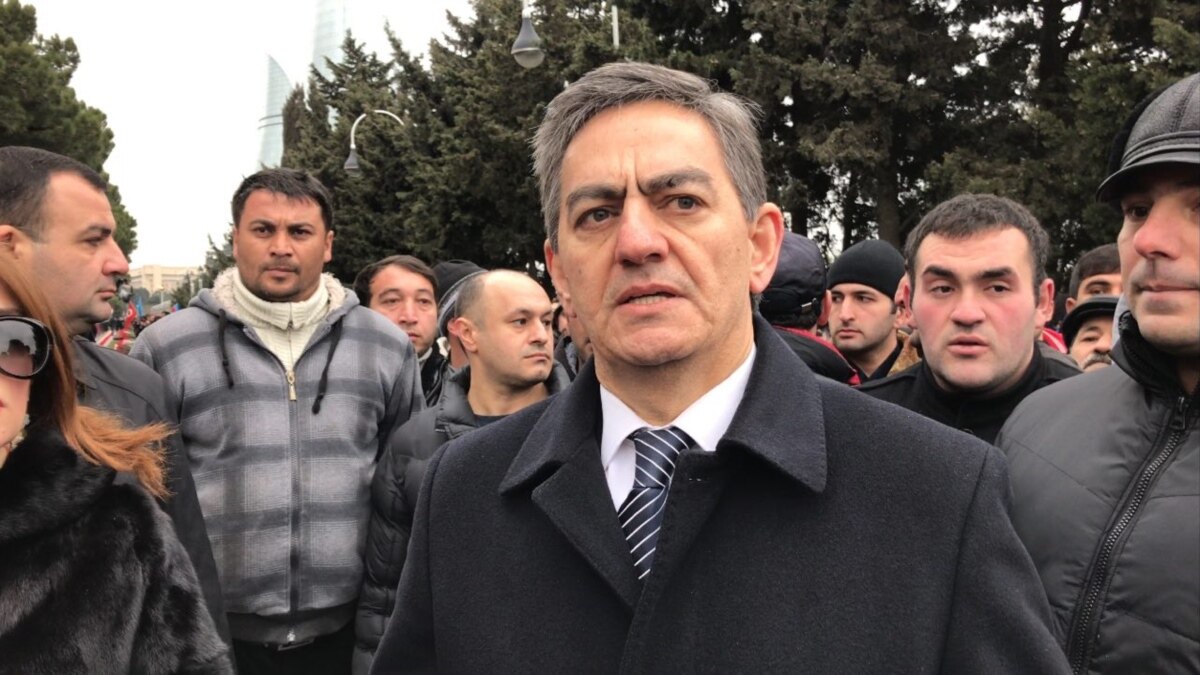
BAKU — Police in Baku briefly detained the leader of the opposition Popular Front Party of Azerbaijan (AXCP), Ali Karimli, before letting him go amid allegations he was trying to undermine public stability.

Opposition politician Tofiq Yaqublu told RFE/RL that police detained Karimli on June 28 as he was leaving an event in the capital to raise money to help activists in the former Soviet republic pay fines resulting from what they call bogus charges.

Police officials gave no explanation for Karimli’s detainment, but Yaqublu said the authorities were trying to disrupt the fundraising event organized at the headquarters of the opposition Musavat party. Critics of longtime President Ilham Aliyev’s government say authorities of the oil-rich South Caucasus nation frequently seek to silence dissent by jailing reporters, human-rights activists, and civil-society advocates without grounds. Dozens of AXCP members have been arrested, and some imprisoned, in recent years on what their supporters have called trumped-up charges.

Aliyev denies any rights abuses. He took power in 2003 shortly before the death of his father, Heydar Aliyev, a former KGB officer and communist-era leader who had ruled Azerbaijan since 1993.


Categories
Selected Articles

Azerbaijani Opposition Leader’s Bodyguard Jailed On ‘Politically Motivated’ Charge


Narges Mohammadi

Narges Mohammadi

Imprisoned Iranian women’s rights activist Narges Mohammadi, who was awarded the 2023 Nobel Peace Prize on October 6, said the honor only strengthens her resolve to fight oppression even if it means spending the rest of her life behind bars.

In bestowing the award at an announcement ceremony in the Norwegian capital of Oslo, the Norwegian Nobel Committee said it was honoring the 51-year-old for “her fight against the oppression of women in Iran and her fight to promote human rights and freedom for all.”

“I will never stop striving for the realization of democracy, freedom and equality,” she said in a statement released through The New York Times after the Nobel announcement.

“Standing alongside the brave mothers of Iran…I will continue to fight against the relentless discrimination, tyranny, and gender-based oppression by the oppressive religious government until the liberation of women.”

The award was widely applauded by the international community, though it is likely to be derided by the government in Iran, where Mohammadi’s campaign for freedom of expression and women’s rights has prompted the Islamic regime to arrest her 13 times, convict her five times, and sentence her to a total of 31 years in prison and 154 lashes.

Mohammadi is currently serving multiple sentences in Tehran’s Evin prison amounting to about 12 years’ imprisonment — she has not seen her family in more than eight years — on charges that include spreading propaganda against the state.

“Although the years of her absence can never be compensated for us, the reality is that the honor of recognizing Narges’s efforts for peace is a source of solace for our indescribable suffering,” a family statement said.

“For us, who know that the Nobel Peace Prize will aid her in achieving her goals, this day is a blessed day,” it added.

Mohammadi is the 19th woman to win the 122-year-old prize and the second Iranian woman, after human rights activist Shirin Ebadi won it in 2003.

“This prize means that the world is paying attention to the activities that is being done in Iran for the rights of women, the world sees how the establishment represses women,” Ebadi told RFE/RL’s Radio Farda after the announcement.

“As I have repeatedly said, democracy will enter Iran through the gate of women’s rights.”

Berit Reiss-Andersen, the chair of the Norwegian Nobel Committee, who announced the prize in Oslo, said it remains to be seen whether Mohammadi will be able to receive the award in Norway at a ceremony on December 10.

“If the Iranian authorities make the right decision, they will release her. So she can be present to receive this honor, which is what we primarily hope for,” Reiss-Andersen said.

The Nobel Committee said the 2023 prize also recognizes the hundreds of thousands of people who “have demonstrated against Iran’s theocratic regime’s policies of discrimination and oppression targeting women,” the Norwegian Nobel Committee said in making the announcement on October 6.

The anti-government protests in Iran were sparked by the death of 22-year-old Mahsa Amini while in police custody for an alleged head-scarf violation.

The authorities responded to the unrest with a crackdown on demonstrations that has left hundreds dead.

More recently, 16-year-old high-school student Armita Garavand was reportedly assaulted by the city’s notorious morality police on the Tehran subway on October 1 for not wearing a head scarf.

A source at the Fajr Air Force Hospital, who spoke to RFE/RL’s Radio Farda on condition of anonymity due to security reasons, said Garavand had suffered internal bleeding in the brain and was in critical condition.

Mohammadi’s husband, Taghi Rahmani, told RFE/RL’s Radio Farda that the Nobel announcement “opens a window for the fight for democracy, for human rights, civil equality and it also makes Narges’s responsibility heavy and as she’s said, ‘Any prize makes me stronger for the human rights goals that I have.'”

“I think this is important, it’s not just a prize for Narges, it brings attention to the resistance that is ongoing in Iran for freedom, democracy, and civil equality,” he added.

First arrested 22 years ago, Mohammadi has spent much of the past two decades in and out of jail over her unstinting campaigning for human rights in Iran. She has most recently been incarcerated since November 2021.

Still, the Nobel laureate has managed to remain an activist even while imprisoned, winning the 2018 Andrei Sakharov Prize for Freedom of Thought.

Though she was behind bars for the anti-government protests over the past year that highlighted the Women, Life, Freedom movement triggered by Amini’s death, Mohammadi and fellow inmates staged a symbolic protest in the yard of Evin by burning their head scarves on the anniversary of the 22-year-old’s death.

From behind bars, Mohammadi still contributed an opinion piece for The New York Times in September where she called the dissent a testament to the resilience of protesters and the waning authority of the “theocratic authoritarian regime.”

“What the government may not understand is that the more of us they lock up, the stronger we become,” she wrote.

Last year, in a letter addressed to Javaid Rehman, the UN special rapporteur on human rights in Iran, Mohammadi described the “assault on women during arrest and in detention centers” as part of the Islamic republic’s “suppression program” against activist women.

Iranian authorities have yet to comment publicly on the award.

However, Iran’s semiofficial Fars news agency said Mohammadi “received her prize from the Westerners” for “actions against Iran’s national security.” Teheran has repeatedly blamed the West for fueling the protests, without providing any evidence.

The Nobel Peace Prize, awarded by experts appointed by the Norwegian parliament, comes with an award of 11 million Swedish crowns (about $1 million).

Last year, the prize was awarded to human rights activists in Belarus, Russia, and Ukraine amid harsh crackdowns by Minsk and Moscow on dissent and the Kremlin’s invasion of Ukraine.

This year the Norwegian Nobel Committee received 351 nominations — 259 for individuals and 92 for organizations. The full list is kept secret for 50 years.

With reporting by AP, AFP and Reuters

Categories
Selected Articles

Armenian Prime Minister meets with European Commissioner for Crisis Management


Armenian Prime Minister meets with European Commissioner for Crisis Management
17:15, 6 October 2023

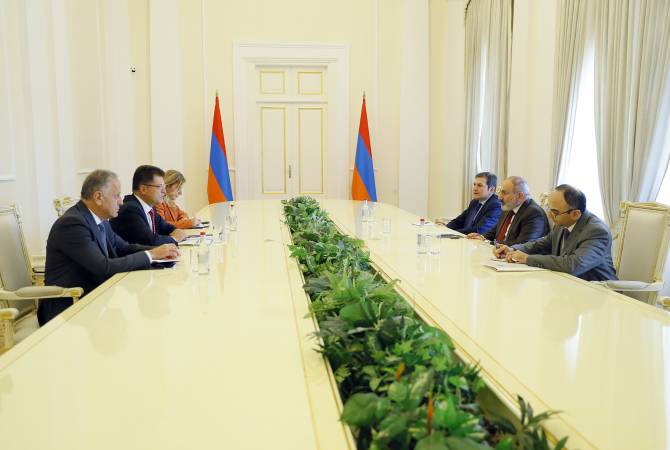
YEREVAN, OCTOBER 6, ARMENPRESS. Armenian Prime Minister Nikol Pashinyan has met with European Commissioner for Crisis Management Janez Lenarčič.

PM Pashinyan welcomed Lenarčič’s visit to Armenia in this difficult situation and said that international support is required, including financial support, to overcome the crisis resulting from the forced displacement of more than 100,000 Armenians as a result of Azerbaijan’s policy of ethnic cleansing in Nagorno-Karabakh. PM Pashinyan added that he had productive discussions with President of the European Commission Ursula von der Leyen in Granada regarding needs assessment and further assistance.

Janez Lenarčič reiterated EU’s commitment to provide assistance to the government of Armenia and the Armenians of Nagorno-Karabakh to mitigate and overcome the current problems.

The Armenian Prime Minister and the European Commissioner for Crisis Management also discussed issues related to future partnership and actions.


Categories
Selected Articles

How did Israeli tech affect Azerbaijan’s victory in Nagorno-Karabakh?


464716

Israel and Azerbaijan are strategic partners and have close relations. Over the last decades, these ties have increased.

Foreign Minister Eli Cohen made an important visit to Azerbaijan in April and stressed the strategic relations between Israel and Azerbaijan which are multi-layered and involve security, energy, trade, and tourism.

Now those ties are in the spotlight because of the recent conflict in Nagorno-Karabakh where most of the Armenian population has now fled after a brief day of fighting between Armenian forces and Baku’s far superior military. While Israel’s defense technology played a key role in Baku’s overall victory in several rounds of fighting in the last years, the larger story is how Russia and the West let this conflict take place.  

There are questions about whether Israel’s defense ties and arms sales to Baku were linked to the conflict or somehow fueled it and increased Baku’s capabilities. It’s important here to take a step back and understand the broader context and history. The Soviet Union created the conflict in Nagorno-Karabakh by creating a patchwork of borders and areas in the Caucasus where a mosaic of groups live, including many minorities that live within the borders of other countries.

In the 1990s, when the Soviet Union fell apart, this unleashed wars in many places and left simmering conflicts, whether in Chechnya, Georgia, or between Armenia and Azerbaijan. 

Armenia had the upper hand in the 1990s when it was backed by Russia. It had inherited a traditional Soviet military infrastructure, with lots of tanks, artillery and heavy conventional weapons.

Azerbaijan, by contrast, sought to improve its military with modern weapons acquired through procurement that was fueled by its booming economy, based partly on energy trade and other resources. Baku has a close alliance with Ankara and Turkey under the AKP party led by Recep Tayyip Erdogan has sought to strengthen Baku’s hand.  

Israeli weapons tied to Azerbaijan

Israeli defense companies have a played a role in Azerbaijan’s modernization of its armed forces. This has caused controversy in the past. In 2018 Radio Free Europe had a report saying “Israel accuses drone maker of bombing Armenian soldiers, at Baku’s request.” It was widely known that Azerbaijan acquired a large number of different types of drones from Israel, including loitering munitions.

Loitering munitions are a type of drone where the drone itself is the warhead, similar to a cruise missile. The difference is the munition can “loiter” and look for targets. In the past these were expensive pieces of equipment used to hunt down high value targets or destroy radars.   

Over the years Azerbaijan clashed with Armenia over the area of Nagorno-Karabakh. This area, inhabited by Armenians, is part of Azerbaijan but has been controlled by Armenia since the 1990s.

In 2016, there were clashes and the Jamestown Foundation noted Baku’s success using drones, particularly those acquired from Israel. Reports over the years also noted the large number of defense deals that Baku had with Israeli companies, more than a billion dollars in one deal, according to Haaretz.  

The conflict in 2016 continued for several days and enabled Baku to unveil its new technology on the battlefront. This was a dry run for 2020 when Azerbaijan defeated Armenian forces and ended up controlling a swath of territory around Nagorno-Karabkah, territory that Baku noted it was merely reconquering after the conflict in the 1990s. Reports in the fall of 2020 noted that Baku had praised the role of Israeli drones and technology in this conflict. It also praised the role Turkey had played and Turkey’s Bayraktar drones.  

However, drones don’t win wars. Drones can help a country like Azerbaijan achieve a lot of results using precision strikes. This, in a sense, gave Baku an instant air force. Countries like Azerbaijan that may not have access to modern 5th generation warplanes sold by the US, such as the F-35, have access to the next level of modern technology via drones. Israeli-made systems like the Harop, Haropy, Orbiter or SkyStrikes and others are at the forefront of technology in the new battlefields of the future.

However, precision strikes only give a country a certain amount of capabilities to overmatch an adversary. They can degrade radars and take out headquarters, communication nodes and armored vehicles. They can strike long range missiles and strategic targets. This is how the US destroyed Iraq’s army in 1991, it pounded it from the air for weeks and then eviscerated it in several days of ground warfare. 

The Iraqi army in 1991 was also heavily reliant on Soviet era armored vehicles and systems, like the Armenian army of 2016-2020. Therefore Azerbaijan defeated Armenia through the use of modern technology, but in the end Baku had to send in ground forces to win the war at the end. Azerbaijan’s armored vehicles and ground forces equipment is still linked to the country’s past and thus relies on Russian equipment. Therefore Baku delivered a one-two punch, using modern technology from countries like Israel, with Russian and older equipment that Baku had on hand.  

The conflict in 2023 in Nagorno-Karabakh that has caused 120,000 Armenians to flee was not a military conflict. It only took Baku one day to defeat the 10,000 Armenian fighters who had been blockaded in Nagorno-Karabkah for months and who had access to old munitions and old conventional weapons. In essence the conflict in Nagorno-Karabkah was decided years ago. Armenia had abandoned the Armenians there and they had been blockaded by Baku via the Lachin corridor road to Armenia.

Baku also was able to get Russia on its side before the conflict. The West also appears to have signed off. This is clear because the West warned Serbia against a military build up on Kosovo’s border in late September and early October, but the West didn’t warn about Baku’s military build-up. The West views Azerbaijan’s operation as enforcing territorial integrity under the rules-based international order, which means the Armenians were viewed as “separatists” and Baku had a right to take back the area.  

Therefore the story of the brief fighting in Nagorno-Karabkah that led to Armenians fleeing was not about Israeli military technology. This was an old style strategic victory for Baku. They cut the area off, they blockaded it and then they asserted their rights to it via a quick military victory at a few key points.

Azerbaijan’s operations took place with Russian peacekeepers looking on, this was not a huge battle in which Baku had to hammer away at Armenian fighters in Stepanakert, the capital of Nagorno-Karabakh. This was a stratagem, presenting the Armenians with a fait accompli, and the Armenians were abandoned by the international community which had quietly accepted that this would be the outcome.   

Reports suggesting Israeli arms fueled this conflict exaggerate the role of Israel’s role. Israeli defense technology has turned Azerbaijan into a modern military power that can project strength and also defend its skies. It has transformed it into a powerhouse in the South Caucasus. However, that is only part of the story of what defeated the Armenians.

They were defeated because Russia abandoned them, unlike in the 1990s, and because they were cut off in Nagorno-Karabakh, a result of the international community not demanding observers and an international presence and some kind of agreement giving them autonomy. They didn’t benefit, for instance, from the support the Kosovars had in the 1990s. Baku understood this and acted accordingly.The real story of Israel’s success in a strategic partnership with Baku goes much further and has implications for the future. Israel makes the technology that is transforming warfare, making it more precise and more technology-driven. This isn’t the heavy weapons of warfare of old, like giant 60-ton tanks, this is the nimble technology that makes conflicts faster and less deadly. Baku’s success and the tragedy that befell the Armenians of Nagorno-Karabakh is more a story of larger countries such as the US and Russia, rather than a story of defense tech that helped Azerbaijan achieve overmatch on the tactical level.  


Categories
Selected Articles

UN court to hold hearings on Armenia’s suit against Azerbaijan on Oct. 12


f651ff1c86ad71_651ff1c86adb2.thumb.jpg

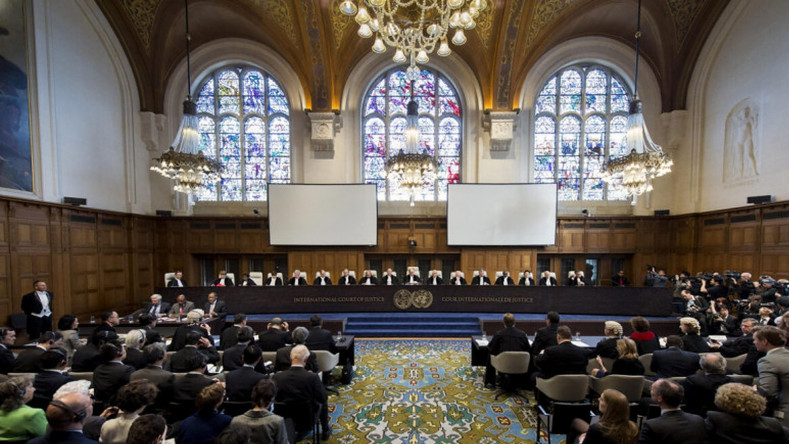
The International Court of Justice (ICJ), the principal judicial organ of the United Nations, will hold public hearings in the case concerning Application of the International Convention on the Elimination of All Forms of Racial Discrimination (Armenia v. Azerbaijan) on Thursday 12 October, the court said in a press release.

The hearings will be devoted to the request for the indication of provisional measures submitted by Armenia on 28 September 2023.

Armenia filed a lawsuit against Azerbaijan with the International Court of Justice on September 28.

“The Republic of Armenia, referring to Article 41 of the Statute and Article 73 of the Rules of Court, submitted a request to the Court yesterday for the indication of provisional measures, “to preserve and protect rights enshrined in the International Convention on the Elimination of All Forms of Racial Discrimination (‘CERD’)”. Armenia requests the Court to indicate the following provisional measures, and to reaffirm Azerbaijan’s obligations,” ICJ said.

Yerevan urges the UN court to confirm Azerbaijan’s obligations on rejecting “any actions directly or indirectly aimed at or having the effect of displacing the remaining ethnic Armenians from Nagorno-Karabakh.”

The claim says that “Azerbaijan shall refrain from taking any measures which might entail breaches of its obligations under the CERD.”

Yerevan expects that Baku “shall refrain from taking punitive actions against the current or former political representatives or military personnel of Nagorno-Karabakh” and “shall not alter or destroy any monument commemorating the 1915 Armenian genocide or any other monument or Armenian cultural artefact or site present in Nagorno-Karabakh.”

Տեքստում սխալ կամ վրիպակ նկատելու դեպքում, ուղարկեք խմբագրին հաղորդագրություն` նշելով տվյալ սխալը, այնուհետև սեղմելով Ctrl-Enter:


Categories
Selected Articles

Russia begins pulling peacekeepers out of Azerbaijan’s Karabakh region


A view of a Russian peacekeepers base just outside Khankendi, Azerbaijan, on Oct. 2, 2023 which is also known as Stepanakert to Armenians. / Photo: AP Archive

Russia announced that it had started pulling out peacekeepers from Karabakh, a contingent sent to the region in the wake of a fall 2020 conflict in the southern Caucasus region.

Russian peacekeepers dismantled temporary observation posts along the former contact line in the Khojaly, Martakert, and Shusha districts of Azerbaijan, Russia’s Defense Ministry said in a statement on Thursday.

Meanwhile, contacts with Azerbaijan and representatives of the Armenian population of Karabakh continue in order to prevent bloodshed and ensure security and compliance with humanitarian law in relation to civilians, the ministry added.

“No violations of the cease-fire regime in the area of responsibility of the Russian peacekeeping contingent were recorded during the day,” it said.

In a separate statement, Russian President Vladimir Putin said the Russian peacekeepers in Karabakh had only one right, namely to monitor the compliance of the sides with the cease-fire.

He also said that when Armenia this summer recognized Karabakh as Azerbaijani territory, Baku raised the question about the further presence of the peacekeeping contingent.

In the fall of 2020, with Türkiye lending its support, in 44 days of clashes Azerbaijan liberated from Armenian occupation numerous settlements in Karabakh, a region internationally recognized as Azerbaijani territory. The war ended with a Russia-brokered cease-fire.

This September 19, the Azerbaijani army initiated anti-terrorism measures in Karabakh. After 24 hours of the measures, illegal Armenian armed forces in Karabakh surrendered.

Azerbaijan, having now established full sovereignty in the Karabakh region, has called on the Armenian population to become part of Azerbaijani society.


Categories
Selected Articles

Armenian Prime Minister to address European Parliament on October 18


Armenian Prime Minister to address European Parliament on October 18
14:45, 6 October 2023

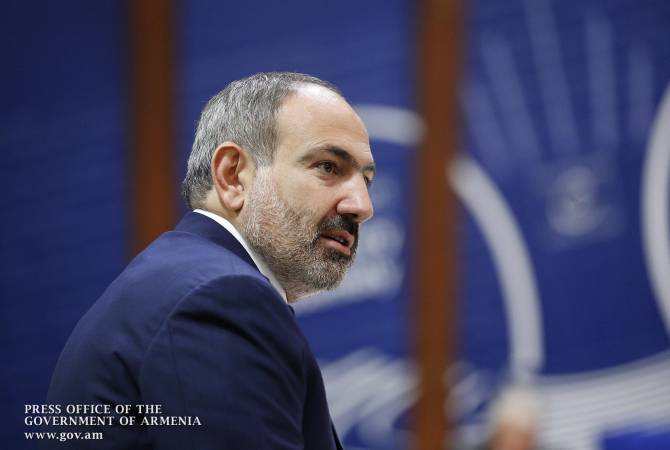
YEREVAN, OCTOBER 6, ARMENPRESS. Armenian Prime Minister Nikol Pashinyan will deliver a speech at the European Parliament during the plenary session on October 18, President of the European Parliament Roberta Metsola has said.

“I’ve invited the Armenian Prime Minsiter to deliver a speech at the plenary session. He will do so on October 18 in Strasbourg,” Metsola told reporters.

On October 5, the European Parliament adopted a resolution condemning Azerbaijan’s aggression in Nagorno-Karabakh.


Categories
Espionage And Transnational Repression in the US

Акции ПАО “ГМК “Норильский никель” (ГМКНорНик, GMKN): цена на Мосбирже …


Стоимость акций ПАО “ГМК “Норильский никель” (GMKN:MOEX) на Московской бирже, графики котировок, цены в режиме реального времени онлайн

Categories
Operation "Doppelganger"

Recipes with Eggs – What’s for Dinner Moms?


Simple Fluffy Omelets You know I love breakfast for dinner! Nothing is more simple than eggs. I love a good fluffy omelet and you can make endless combinations of ingredients. Greek? Feta, spinach, and maybe a touch of roasted red peppers. Italian? Tomatoes, garlic, oregano, and Italian sausage. Or the simple ham, cheese and onion that is my… Read More