
Every claim in this NYT paragraph on the campus protests is laden with pro-genocide propaganda: pic.twitter.com/GI89opUaIo
— Aaron Maté (@aaronjmate) April 25, 2024
Day: April 25, 2024
Categories
The Long Arm of China’s Security Services
SUBSCRIBER+ EXCLUSIVE REPORTING — When Chinese President Xi Jinping came to San Francisco last November to meet with President Joe Biden, Chinese pro-democracy activists in the U.S. turned out in force to protest Xi’s authoritarian rule. They were met by other ethnically Chinese people wielding metal rods and pepper spray – a pro-regime presence that several protesters said was orchestrated by the Chinese government.
For Jinrui Zhong, a third-year law student at Georgetown University in Washington, DC, the pressure from Beijing has been more subtle. Zhong told The Cipher Brief that when Chinese security services suspected he was speaking out against Xi’s regime, they detained his father in China and told him to tell his son to “love his country more and love the Party more.” The message came with a warning, Zhong said: the family could lose its home and his father could lose his job as a low-level bureaucrat.
“The Cipher Brief has become the most popular outlet for former intelligence officers; no media outlet is even a close second to The Cipher Brief in terms of the number of articles published by formers.” —Sept. 2018, Studies in Intelligence, Vol. 62
Access all of The Cipher Brief’s national security-focused expert insight by becoming a Cipher Brief Subscriber+ Member.
The post The Long Arm of China’s Security Services appeared first on The Cipher Brief.
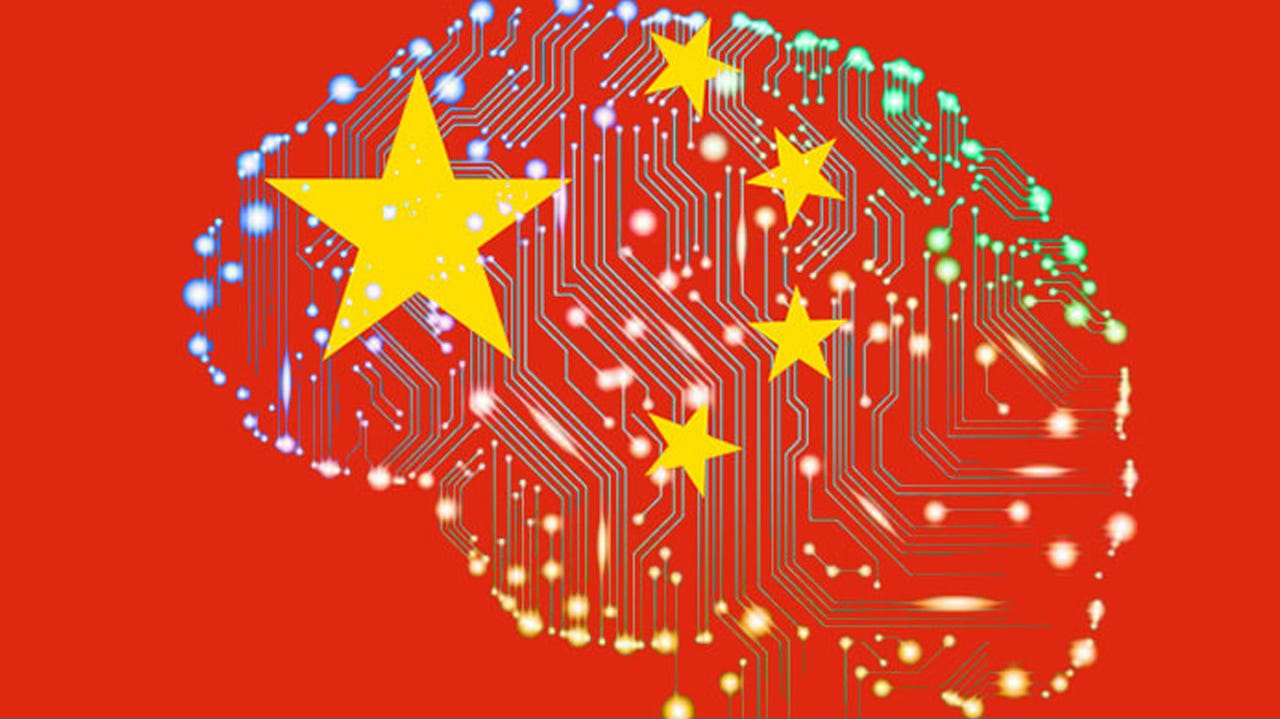
IN A MAJOR SHAKEUP at the top of China’s intelligence and security apparatus, President Xi Jinping last Friday unexpectedly abolished its key eavesdropping and codebreaking agency, the Strategic Support Force (SSF) and replaced it with three new agencies put directly under the Chinese Communist Party’s military oversight body, the Central Military Commission.
It’s the rough political equivalent of President Biden abolishing the NSA and creating three new powerful spy agencies under the direct purview of the White House National Security Council.
Analysts told SpyTalk that rumors of an intelligence shakeup have been floating around for at least several weeks, but the creation of three separate “forces,” as China calls them, from the SSF, including a new information warfare agency, was a surprise. It reflected Xi’s dissatisfaction with the rate of progress in the development of China’s “intelligentized warfare,” or what the U.S. calls Joint Doctrine, the fusing of ground, air, space, cyber and naval forces operations through digital networks bolstered by artificial intelligence.
The shakeup includes the creation of a new information warfare unit, the Information Support Force, or ISF. It appears to encompass signal intelligence (SIGINT), signal security and network security, while cyber intrusion operations are likely handled by a separate new service, the Cyberspace Force.
China has long sought to unify and add new technology to its traditional military forces. In 2019, the People’s Liberation Army published a national defense white paper, “China’s National Defense in the New Era,” which noted that “War is evolving in form towards informationized warfare, and intelligent warfare is on the horizon.” Now it looks to be standing on the precipice.
The SSF’s leader, General Ju Qiansheng, has been dismissed, the latest chapter of Xi Jinping’s ongoing purge of the party and army. Ju’s deputy, General Bi Yi, will now reportedly command the new ISF, along with a senior political commissar.
Ju has been seen only once since July, performing the relatively lowly task of taking notes on a routine “inspection” of Guizhou province in January. There’s been no word from Beijing on his current whereabouts or status since.