
We disarmed Ukraine in 1994. We gave Ukraine hardly any arms after Putin invaded in 2014. We failed to deter Putin’s invasion of Ukraine in 2022. We cannot fail Ukraine again by delaying military aid any longer in 2024. We’re better than that.
— Michael McFaul (@McFaul) January 5, 2024
Day: January 5, 2024
#News #Times #NewsAndTimes #NT #TNT #Israel #World #USA #POTUS #DOJ #FBI #CIA #DIA #ODNI #Mossad #Putin #Russia #GRU #Ukraine #SouthCaucasus #NewAbwehr #Bloggers FBI
–
“But McGonigal’s two plea agreements mean there is likely a lot about his career that may never be made public.”… pic.twitter.com/G79mfnhT6P— Michael Novakhov (@mikenov) January 5, 2024
Background
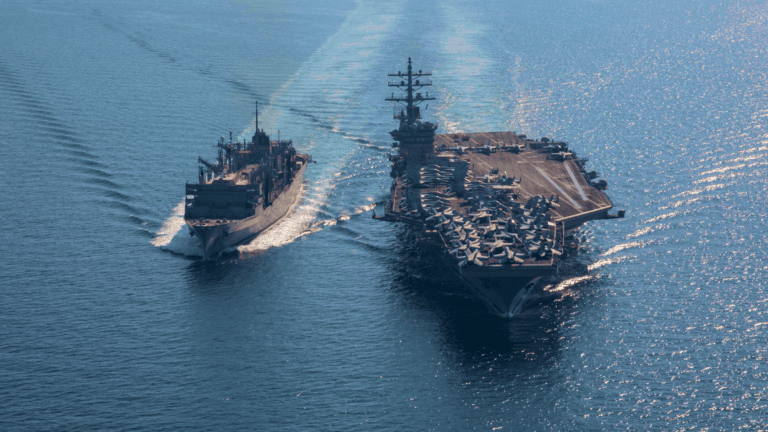
Since the start of the Israel-Gaza conflict, the Iranian-backed Houthi militia has escalated attacks on vessels passing through the Red Sea, targeting those that they believe are Israel-bound and threatening global maritime trade. Red Sea shipping lanes are critical for the global economy. Around 12% of global trade passes through the strait every year to transit the Suez Canal. Operation Prosperity Guardian (OPG) is a US-led task force aimed at protecting shipping routes against the Houthis. However, it is facing challenges with reluctant allies Joining OPG over fears of expanding the Israel-Hamas war. The delicate situation in the region is making it difficult for the US government to garner the support it needs to counter attacks by the Houthis.
Key Judgement 1. In the next 3 months, it is likely that the US will struggle to sustain a significant deployment to the Red Sea due to the lack of public support for allies.
Key Judgement 2. In the next 3 months, the Houthis will very likely attack more vessels in Red Sea shipping lanes.
Key Judgement 3. In the next 3 months, it is likely that the Houthi militias will retain support in occupied areas of Yemen for their actions against Israel.
This content is for members only. Visit the site and log in/register to read.


The post Operation Prosperity Guardian: Is the Red Sea Saved? appeared first on Grey Dynamics.
The United States on Thursday added Azerbaijan to a watchlist on religious freedom, following fears for Christian heritage after the country seized Nagorno Karabakh, AFP reports.
Secretary of State Antony Blinken, releasing an annual index of designations, maintained all 12 countries that had been on the previous year’s blacklist, including China, Iran, Pakistan and Saudi Arabia.
In the sole change, Blinken added Azerbaijan to a watchlist, meaning it will join the blacklist, which carries potential sanctions, without improvements.
In a recent recommendation to the State Department, the US Commission on International Religious Freedom pointed to concerns for the preservation of Christian religious sites in Nagorno-Karabakh, where virtually the entire population of 100,000 ethnic Armenians has fled to Armenia.
The commission also voiced alarm over regulations on all religious practice in the Shiite Muslim-majority but largely secular country under strongman President Ilham Aliyev, including a requirement that all religious groups be registered and their literature approved by an official body.
Blinken in a statement noted that “significant violations of religious freedom also occur in countries that are not designated.”
“Governments must end abuses such as attacks on members of religious minority communities and their places of worship,” he said.
The “countries of particular concern” on the blacklist are China, Cuba, Eritrea, Iran, Myanmar, Nicaragua, North Korea, Pakistan, Russia, Saudi Arabia, Tajikistan and Turkmenistan.
Besides Azerbaijan, countries on the watchlist are Algeria, the Central African Republic, Comoros and Vietnam.