By Aleksandar Đokić, Political scientist and analyst
The opinions expressed in this article are those of the author and do not represent in any way the editorial position of Euronews.
Russia’s leadership doesn’t even have a stable, non-contradictory set of principles or values it adheres to, and its hodgepodge of narratives shows it is trying to fuel any conflict it can, all with the goal of carving out an empire for itself, Aleksandar Đokić writes.
ADVERTISEMENT
It’s not unusual that in times of major crises, analogies are often forced upon us to more easily come to terms with and understand the political reality we live in.
With the world struck by one shock after another in rapid succession in recent years, it’s also hardly surprising to see some draw parallels with the run-up to World War II.
Yet, the period of time most resembling our own could be compared to the early stages of the Cold War instead.
And this time, Russia, as the only actor on the global geopolitical stage completely hollowed out from any true belief, is an even greater agent of chaos than it ever was in the past.
A menace in a world of partial disorder
The structure of the global order is unwinding, not because democracies in Europe and North America are weaker or less economically influential than they were, but because other regional players have grown in the meantime.
In parallel, the institutional framework of the global order is outdated yet remains rigid to our contemporary needs due to clashing visions on the global stage, while no clear victor has yet emerged from the fray.
Some of the major actors outside of the Western democratic world are more rational, desiring economic growth rather than waging wars, and not all of them ascribe to an ideological system that is antagonistic towards the West as a whole.
Russia, unfortunately for the rest of us, is the exact opposite.
It’s putting the concept of state power in front of the well-being of its citizens; framing victory through the lenses of war, instead of economic development; all the while propping its authoritarian regime with an eclectic ideological mashup bound together solely by the belief that Russia is the opposite of the imagined and imaginary West.
Although other Russias did exist, like the strain of liberal thought in Russian culture going back all the way to the 18th century, we are dealing with a particular version of Russia which is highly minacious in a world of partial disorder.
Flashpoints outlining the Kremlin’s shadow
For the past two years, there have been three flashpoints all involving Russia: its invasion of Ukraine, the latest Nagorno-Karabakh conflict and the bloody incursion of the Hamas’ military wing into Israel.
Russia plays various roles in all three. In Ukraine, it is the invader, in Nagorno-Karabakh it is the (intentionally) failed peacekeeper.
And as for Israel, it’s a weak partner who colluded with the Iranian regime as well as with Israeli PM Benjamin Netanyahu, while acting as a meddling influence on the balance of power in the Middle East.
Yet, it was Vladimir Putin whom Netanyahu officially spoke to over the phone after the attack, at the same time refusing an offer from Ukraine’s President Volodymyr Zelenskyy for a state visit to Israel in its time of need.
It can seem confounding, considering that the USSR armed the forces poised to destroy Israel on both occasions its very existence was at stake — the 1967 Six-Day War and the 1973 Yom Kippur War — as a Cold War flex to rattle the US.
But this time, Russia is not the USSR, especially not in terms of ideology, as much as it’s willing to toy with the idea whenever it thinks it’s useful.
Questions over Russia’s involvement in bloodshed
At the same time, Iran has been leading the charge in clamouring for war against Israel now — an aggressive stance most Arab countries have meanwhile given up on because of its futility and great cost.
Meanwhile, Russia is undisputably buying weapons for its war against Ukraine from Iran while forging a tenuous alliance with Tehran in Syria, where Moscow intervened to keep Bashar al-Assad’s authoritarian regime in power by any means necessary.
ADVERTISEMENT
Naturally, questions arose over Russia’s possible role in Hamas’ attack on 7 October.
Recently, it was uncovered that the Palestinian militants partially financed their operations by purchasing cryptocurrency in Russia in the lead-up to last Saturday’s incursion and the resulting atrocities.
Millions of dollars were funnelled through Garantex, a Moscow-based crypto exchange, to various extremist groups connected to Hamas.
Beyond that, there is no evidence that the Kremlin actually supplied Hamas or any other extremist group in Palestine with weapons, or that it took part in the planning of any of their operations.
Bullets for Kalashnikovs and conflicting narratives
Moscow, however, does enjoy close political ties to Hamas, seen again just last Saturday when its leadership publically waxed lyrical about Putin, saying it “appreciates Russian President Vladimir Putin’s position … and the fact that he does not accept the blockade of the Gaza Strip.”
ADVERTISEMENT
“We also affirm that we welcome Russia’s tireless efforts to stop the systematic and barbaric Zionist aggression against the Palestinian people in the Gaza Strip,” they said in a statement.
In another interview with Russia’s state-owned RT in Arabic, a high-ranking Hamas official stated that “Hamas has a license from Russia to locally produce bullets for Kalashnikovs, that Russia sympathises with Hamas, and that it is pleased with the war because it is easing American pressure on it with regard to the war in Ukraine”.
On their end, Russian officials, state propagandists and organised bots have been peddling various narratives, some contradicting each other.
The Kremlin officials have blamed the US for Hamas’ attack, while not condemning the militants’ incursion, especially not in such explicit terms. In fact, Putin himself labelled it “a failure of US policy in the Middle East”, while the ever-increasingly toxic former Russian President Dmitry Medvedev said it was a part of Washington’s “manic obsession to incite conflicts”.
The state propagandists supported the same narrative and also added a new one: Russia’s war against Ukraine is much more benign than Israel’s reaction in Gaza.
ADVERTISEMENT
Russian bots, on many social platforms, didn’t hold back from supporting Hamas and accusing Ukraine of supporting the “fascists” in the conflict — meaning, Israel.
Carving an empire in blood devoid of meaning
Yet on a much larger scale, Moscow’s hodgepodge of narratives shows it for what it really is — an agent of chaos, trying to fuel any conflict in the borderlands of the democratic world, all with the goal of apportioning a regional empire for itself.
Russia’s leadership is not interested in peace and it doesn’t work towards it.
Its social media bots and online influencers tell us the tale of the lowest common denominator in Russian society — a revanchist, disgruntled anti-Semite who has given up on his own life and wants to see the entire world crumble down to his level.
The most striking part of it all is that Russia’s leadership doesn’t even have a stable, non-contradictory set of principles or values it adheres to.
ADVERTISEMENT
Carving out an empire in blood is immanently meaningless when one lacks a higher cause to aspire to, let alone a coherent narrative. The Kremlin, however, has demonstrated time and again it’s utterly devoid of that, left completely without a vision, and in the end, barren of any semblance of a soul or empathy for others.
And that is what makes it more dangerous and unpredictable than ever — to its neighbours and to the rest of the world.
Aleksandar Đokić is a Serbian political scientist and analyst with bylines in Novaya Gazeta. He was formerly a lecturer at RUDN University in Moscow.
At Euronews, we believe all views matter. Contact us at view@euronews.com to send pitches or submissions and be part of the conversation.
Rescue personnel work at scene At Al-Ahli Hospital, after hundreds of Palestinians were killed in a blast at Al-Ahli hospital in Gaza that Israeli and Palestinian officials blamed on each other in Gaza City, Gaza Strip, in this screen grab obtained from video, October 17, 2023. REUTERS/Reuters TV Acquire Licensing Rights
Oct 18 (Reuters) – A blast at a Gaza hospital killed hundreds of Palestinians just before U.S. President Joe Biden visited Israel as the conflict between the Israeli military and the Hamas militant group raged.
WHO BOMBED THE HOSPITAL IN GAZA?
Israelis and Palestinians have blamed each other for the hospital bombing.
Biden, who has stood squarely behind Israel from the start of the conflict, said that based on information he had seen the hospital blast appeared to be the result of an errant rocket fired by a “terrorist group”, echoing Israel’s view.
Some Western countries have called for an investigation, without pointing the finger at this stage, while Arab states have blamed Israel.
WHAT DO WE KNOW ABOUT THE HOSPITAL?
Founded 1882 and run by the Anglican church, Al Ahli Arab Hospital described itself on its website as “a haven of peace in the middle of one of the world’s most troubled places”. The hospital said it offered 80 beds with services such as a free programme to detect breast cancer, a centre for elderly women, and a mobile clinic offering free services to surrounding towns.
It is located in the Zeitoun neighbourhood of Gaza City, in the northern region of the Gaza Strip.
Reuters Graphics
HOW MANY PEOPLE WERE IN THE HOSPITAL?
Although it had a limited number of beds, the hospital and others in Gaza have been crammed with casualties beyond their capacity since the start of Israeli air strikes launched in response to the Oct. 7 Hamas attack on Israel.
As well as handling a surge in the number of wounded, people have also sought refuge in hospital grounds all over Gaza believing them to be safe havens against strikes.
Dr Fadel Naim, head of orthopaedic surgery, said about 1,000 people were in Al Ahli Arab Hospital on Tuesday morning and more rushed there later in the day after he said the Israeli army had warned residents in the Zeitoun neighbourhood to evacuate their homes.
Dr Ibrahim Al-Naqa said more than 3,000 people had sought refuge at the hospital at the time of the strike.
WHAT HAPPENED BEFORE THE STRIKE?
Israel previously told Palestinians in the north of Gaza, including in Gaza City, to move south for their own safety. Israel’s military specifically told Zeitoun residents to move south on Tuesday in a message issued on social media platform X.
The Kuwaiti specialized hospital in Rafah city, in the south of Gaza, said on Oct. 16 it had it had received two Israeli warnings to evacuate but its director said its staff would not leave.
WHAT DETAILS DO WE HAVE ABOUT THE STRIKE?
Dr Naim said he had finished one surgery and was about to start another when he heard a huge explosion. Dr Naqa said the blast took place at about 6.30 p.m. (1530 GMT).
WHAT DAMAGE WAS SUSTAINED?
Footage and images obtained by Reuters from inside the hospital showed about two dozen destroyed vehicles in its grounds.
They were surrounded by damaged buildings with windows blown out. Blood stains were on the walls and the ground.
WHAT HAVE THE PALESTINIANS SAID?
Palestinian officials have blamed Israel.
Islamic Jihad, a Palestinian militant group that is an ally of Hamas, denied any of its rockets were involved in the blast, saying it did not have any activity in or around Gaza City at that time.
Hamas leader Ismail Haniyeh said the United States was responsible, saying Washington had given Israel “the cover for its aggression”.
The health minister of the West Bank-based Palestinian Authority blamed Israel for what he called a “massacre”.
WHAT HAS ISRAEL SAID?
Israel has denied it was to blame and said the blast was caused by a failed rocket launch by Islamic Jihad.
An Israeli army spokesperson said an analysis of the operational systems of the Israel Defense Forces indicated that a barrage of rockets was fired by militants in Gaza, passing in close proximity to the hospital at the time it was hit.
“Intelligence from multiple sources we have in our hands indicates that Islamic Jihad is responsible for the failed rocket launch which hit the hospital in Gaza.”
A military spokesperson said there was no structural damage to buildings around the hospital and no craters consistent with an air strike. The spokesperson said Hamas had inflated the casualty numbers and said the group could not know as quickly as it claimed what caused the blast.
The military also released an audio file and a transcript of what it said was a conversation between two Hamas militants saying an Islamic Jihad rocket had misfired. It was not possible to verify the material independently. The audio was edited including with bleeps to obscure words and names.
Hamas did not immediately comment on the audio.
The military said some 450 rockets fired from Gaza had fallen short and landed in the Gaza Strip in the past 11 days.
WHAT HAS THE UNITED STATES SAID?
Biden pointed the finger of blame at Palestinian militants.
Speaking alongside Israeli Prime Minister Benjamin Netanyahu, Biden said: “I was deeply saddened and outraged by the explosion of the hospital in Gaza yesterday, and based on what I’ve seen, it appears as though it was done by the other team, not you.”
WHAT HAS THE ANGLICAN CHURCH SAID?
Justin Welby, the Archbishop of Canterbury and head of the Anglican church, said: “This is an appalling and devastating loss of innocent lives. The Ahli hospital is run by the Anglican church. I mourn with our brothers and sisters.”
“I renew my appeal for civilians to be protected in this devastating war. May the Lord God have mercy.”
WHAT HAS BEEN THE REACTION IN THE REGION?
The strike has enflamed Arab governments and groups in the region. Protesters took to the streets in several Arab countries denouncing what they said was an Israeli strike on the hospital.
Jordan’s King Abdullah blamed Israel for the blast and his country cancelled a summit it was to host in Amman on Wednesday to discuss Gaza with the U.S. president and the Egyptian and Palestinian leaders. Egypt also blamed Israel.
In Lebanon, Iran-based Hezbollah, which fought a war with Israel in 2006, denounced what it called Israel’s deadly attack and called for protests on Wednesday. The Beirut government declared a national day of mourning.
Reporting by Reuters correspondents; Editing by Edmund Blair, Angus MacSwan and Daniel Wallis
U.S. President Joe Biden, visiting Tel Aviv, said he was “very blunt” with Israelis, even as he sided with them on who’s to blame for the Gaza hospital blast.
Egypt will allow aid trucks to enter Gaza.
Hundreds are killed when a rocket hits Gaza City’s Ahli Arab Hospital. Hamas blamed Israel; Israel blamed Palestinian militants; the Palestinian Islamic Jihad spokesman denied the group was responsible.
The U.N. Security Council was unable to pass a resolution calling for a humanitarian pause.
More than 1,400 Israelis and 3,000 Palestinians have been killed.
Biden will address the nation in a prime-time speech Thursday.
Returning from a brief visit to Tel Aviv, U.S. President Joe Biden said Wednesday that he’d had candid discussions with Israeli leaders as they conduct military strikes that have taken more than 3,000 lives in Gaza in response to Hamas’ massacre of more than 1,400 Israelis on October 7.
“I was very blunt with the Israelis,” he told reporters aboard Air Force One on the way back to Washington. Biden said that while Israel “has been badly victimized,” they have “an opportunity to relieve the suffering” of innocent civilians in Gaza “who have nowhere to go.”
He added that it’s what the country “should do.”
As his secretary of state, Antony Blinken, traveled extensively in the region to try to secure support for humanitarian aid, Biden said that Egypt had agreed to open its Rafah border with Gaza to allow initially 20 trucks of aid to help Gazans, to be received and managed by U.N. groups. He warned that if Hamas blocked or confiscated the aid, “it’s going to end.”
Biden said the trucks would likely cross on Friday after badly damaged roads near the crossing had been repaired. Dozens more trucks are waiting to follow if the first tranche goes smoothly.
He denied media reports that U.S. troops would join Israeli soldiers in fighting Hezbollah should the Lebanon-based militant group decide to help Hamas and initiate conflict with Israel.
He said he discussed at length with Benjamin Netanyahu the Israeli prime minister’s plans to invade Gaza to root out Hamas and that the two countries’ militaries have been weighing alternatives. But he declined to provide further details.
Biden will address the nation Thursday night on the Israel-Hamas violence and Russia’s invasion of Ukraine, the White House announced Wednesday.
Siding with Israel
Earlier Wednesday in Tel Aviv, Biden backed Israel’s account of who was responsible for a massive explosion at a Gaza hospital that killed hundreds and prompted protests across the region.
“Based on the information we’ve seen to date, it appears [to have happened] as a result of an errant rocket fired by a terrorist group in Gaza,” Biden said.
Israel, blamed for the Tuesday explosion by officials in Gaza, has denied being at fault and said an errant rocket fired by the militant group Palestinian Islamic Jihad had hit the hospital site. Islamic Jihad has denied responsibility.
“While we continue to collect information, our current assessment, based on analysis of overhead imagery, intercepts and open-source information, is that Israel is not responsible for the explosion at the hospital in Gaza yesterday,” National Security Council spokesperson Adrienne Watson said.
Watson added that the administration was working to corroborate whether it was a failed rocket launched by Islamic Jihad.
Palestinians wounded at Ahli Arab Hospital sit at al-Shifa Hospital in Gaza City, Gaza Strip, Oct. 17, 2023. The Hamas-run Health Ministry says an Israeli airstrike caused an explosion, but the Israeli military says it was a misfired Palestinian rocket.
Biden’s Israel visit was aimed at showing support for Israel after the October 7 Hamas attack.
In his remarks, Biden said Israel had agreed that humanitarian assistance could begin to move from Egypt into Gaza and announced $100 million in U.S. aid for Palestinians. He vowed to provide Israel what it needed to defend itself but urged restraint in its retaliation.
“You don’t live by the rules of terrorists. You live by the rule of law. When conflict is fair, you live by the rule of – law of wars,” he said.
Referring to the aftermath of the September 11, 2001, terrorist attack on the U.S., Biden said that while the country “saw justice and got justice, we also made mistakes.”
“I know the choices are never clear or easy for the leadership. There’s always cost,” Biden said. “But it requires being deliberate; [it] requires asking very hard questions and requires clarity about the objectives and an honest assessment about whether the path you’re on will achieve those objectives.”
People inspect the area of Ahli Arab Hospital, where hundreds of Palestinians were killed in a blast that Israeli and Palestinian officials blamed on each other, and where Palestinians who fled their homes were sheltering amid the ongoing conflict, in Gaza City, Oct. 18, 2023.
From Tel Aviv, Biden was originally scheduled to head to Amman to meet King Abdullah II of Jordan, President Abdel Fattah el-Sissi of Egypt and Palestinian Authority President Mahmoud Abbas to discuss a humanitarian response for Gazans. But the summit — and the Jordan leg of the trip — was scrapped following the Gaza hospital blast.
Hamas claims ‘crime of genocide’
Hamas militants blamed Israel for the explosion at Gaza City’s Ahli Arab Hospital, calling it “a crime of genocide that once again reveals the ugly face of this criminal enemy and its fascist and terrorist government.”
It said in a statement that there were “hundreds of casualties, most of them displaced families, patients, children and women.” Palestinian authorities said about 500 people had been killed.
Rear Admiral Daniel Hagari, Israel Defense Forces spokesman, told reporters Wednesday that there was no structural damage to buildings, nor a crater, that would be consistent with an Israeli airstrike. He also accused Hamas of inflating the number of casualties.
Speaking alongside Biden at a meeting of Israel’s war cabinet Wednesday, Netanyahu said the world was rightfully outraged by the strike on the hospital, “but this outrage should be directed not at Israel, but at the terrorists.”
A Palestinian paramedic carries a child injured in an Israeli airstrike at the Nasser Hospital in Khan Yunis in the southern Gaza Strip, on Oct. 17, 2023.
The explosion ignited massive protests in cities across the Middle East, including in Lebanon, Iran, Tunisia and Turkey, where demonstrators laid the blame on Israel.
The U.S. leader pledged to ensure Israel has what it needs to defend itself.
Summit canceled
Palestinian U.N. Ambassador Riyad Mansour said Tuesday, “Our Jordanian brothers said we cannot have a summit with these conditions. … Only [one] thing would make sense — if [Biden would] make a cease-fire and say, ‘I’m coming to force implementation of it.’”
The White House released a statement at roughly the time of Biden’s departure from Washington.
“After consulting with King Abdullah II of Jordan and in light of the days of mourning announced by President Abbas of the Palestinian Authority, President Biden will postpone his travel to Jordan and the planned meeting with these two leaders and President Sissi of Egypt,” the statement said.
Palestinians mourn over the body of a child killed in an Israeli airstrike on the Haboush family building in Gaza City, Gaza Strip, Oct. 18, 2023.
U.N. Secretary-General Antonio Guterres called for an immediate humanitarian cease-fire to allow for Hamas to release the hostages it is holding and for Israel to allow unrestricted humanitarian aid to reach Gaza.
European Council President Charles Michel said Tuesday that what Israel has done in cutting access to basic services such as water, food and electricity “is not in line with the international law.”
Israel in recent days has ordered Palestinian civilians living in the northern half of Gaza to head to the southern reaches of the territory along the Mediterranean Sea. About 600,000 people in cars and on foot have heeded the Israeli demand.
But Israeli forces have continued to launch airstrikes into southern Gaza, including on Tuesday morning, along with attacks on Hamas targets in the north.
The humanitarian crisis has grown increasingly dire in Gaza, where Israel has blocked necessities from arriving. There is limited electricity and diminishing supplies of food and water, while hospitals say they are hard-pressed to treat the wounded.
Margaret Besheer at the United Nations contributed to this report. Some information came from The Associated Press, Agence France-Presse and Reuters.
Dark vs light, ying vs yang, Ice vs Fire. I’m hypothesizing that in addition to the theory you laid out, that there’s likely a competing magical practice of immortality, healing, and resurrection that are triggered by ICE instead of fire.
TEL AVIV/GAZA, Oct 18 (Reuters) – U.S. President Joe Biden pledged to help Israel and the Palestinians during a lightning visit on Wednesday, but a deadly hospital blast that he ascribed to an errant rocket fired by Gaza militants derailed talks to prevent the war spreading.
Raising fears of wider instability, protesters staged anti-Israeli demonstrations around the Middle East over the fireball that engulfed the Gaza Strip’s Al-Ahli al-Arabi hospital late on Tuesday, which Palestinian officials said killed 471 people.
They blamed what they said was an Israeli air strike, while Israel said it was caused by a failed rocket launch by the Islamic Jihad militant group, which denied responsibility.
Biden promised more aid to Israel at the end of his impromptu one-day visit to the country, which is bombarding Gaza to try to root out militants from its ruling Hamas group after they killed 1,400 Israelis in a cross-border assault on Oct. 7.
He said of the hospital blast: “Based on the information we have seen today, it appears the result of an errant rocket fired by a terrorist group in Gaza.”
In Washington, the White House National Security Council echoed Biden, saying the U.S. assessment was based on analysis of overhead imagery, intercepts and open source information.
Arab leaders responded to the loss of life at the hospital, which they blamed on Israel, by cancelling a summit with Biden in Jordan.
Biden said the United States would do everything it could to ensure Israel was safe while also urging Israelis not to be consumed by rage, reiterating that the vast majority of Palestinians were not affiliated with Hamas.
The Gaza health ministry said 3,478 Palestinians have been killed and 12,065 injured in Israeli air strikes on the besieged enclave since Oct 7.
Biden said the U.S. would provide $100 million in new funding for humanitarian aid to Palestinians in Gaza and the Israeli-occupied West Bank.
“What sets us apart from the terrorists is we believe in the fundamental dignity of every human life,” Biden said. If that was not respected, “then the terrorists win.”
In a less than eight-hour visit, he also said he would ask Congress for an “unprecedented” aid package for Israel this week, although no action is possible until the House of Representatives elects a new speaker.
Biden faced intense pressure to secure a clear Israeli commitment to let aid into Gaza from Egypt, to ease the plight of civilians in the small, densely populated coastal enclave.
[1/13]People inspect the area of Al-Ahli hospital where hundreds of Palestinians were killed in a blast that Israeli and Palestinian officials blamed on each other, and where Palestinians who fled their homes were sheltering amid the ongoing conflict with Israel, in Gaza City, October 18, 2023. … Acquire Licensing RightsRead more
At the end of Biden’s visit, Israeli Prime Minister Benjamin Netanyahu’s office put out a statement saying Israel would let food, water and medicines reach southern Gaza via Egypt. Israel reiterated it would not let aid in from Israel until Hamas released about 200 hostages seized during the Oct. 7 attack.
BIDEN SUMMIT WITH ARABS CANCELLED
Biden’s Middle East trip was designed to calm the region, but Jordan called off his planned summit there with Egypt and the Palestinian Authority after the hospital blast. Instead he was expected to hold phone calls with Jordan and Egypt from Air Force One on his way home.
The accounts of destruction at the hospital were horrific even by the standards of the past 12 days, which have confronted the world with relentless images, first of Israelis murdered by Hamas gunmen in their homes and then of Palestinian families buried under rubble from Israel’s retaliatory strikes.
Rescue workers scoured blood-stained debris for survivors. The Gaza health ministry put the death toll at 471, though Israel disputed the figure. Palestinian ministry spokesperson Ashraf Al-Qudra said rescuers were still recovering bodies.
“We don’t know what it was, but we found out what it could do, after it targeted children, who were cut into pieces,” said Mohammad Al-Naqa, a doctor at the hospital who said 3,000 people were sheltering there when it was hit.
Israel last week ordered more than one million civilians in northern Gaza to evacuate to avoid being hit in attacks on Hamas strongholds there, and displaced Palestinians face a worsening humanitarian crisis.
The immediate Israeli strategy, said three regional officials, is to destroy Gaza’s infrastructure, even at the cost of high civilian casualties, push the enclave’s people towards the Egyptian border and go after Hamas by blowing up its labyrinth of underground tunnels.
Neighboring Egypt and Jordan have squarely rejected the notion that Palestinian refugees could move into their territories. Egyptian President Abdel Fattah al-Sisi and Palestinian leaders in the occupied West Bank on Wednesday denounced forced displacement of Gaza civilians. Palestinian leaders called it a “red line” that could not be crossed.
FURY ACROSS MIDDLE EAST
World leaders from U.N. Secretary General Antonio Guterres to Russian President Vladimir Putin denounced the Gaza hospital blast in statements that nonetheless avoided addressing who was to blame.
In Lebanon, security forces fired tear gas and water cannon at protesters throwing projectiles near the U.S. embassy north of Beirut. State-sponsored marches were held across Iran, backer of Hamas and Israel’s sworn foe, with demonstrators carrying banners that read “Death to America” and “Death to Israel”.
Palestinian officials said Israeli forces shot dead two Palestinian teenagers near Ramallah in the West Bank during widespread protests.
There were new clashes on Israel’s border with Lebanon, part of the deadliest violence between the Iran-backed Hezbollah movement and Israel since the last all-out war in 2006. Hezbollah said two of its fighters were killed.
Reporting By Nidal Mughrabi in Gaza, Steve Holland aboard Air Force One, and Jerusalem Bureau; Writing by Peter Graff, Mark Heinrich and Cynthia Osterman; Editing by Gareth Jones, Philippa Fletcher and Howard Goller
A senior correspondent with nearly 25 years’ experience covering the Palestinian-Israeli conflict including several wars and the signing of the first historic peace accord between the two sides.
The start of the Gaza War on 10.7.23 is attributed by many observers to the Russian Wagner Group. The same can be said about the later attack on the al Ahli Arab Hospital. It appears to be their style, as in Ukraine, Syria, etc. The timing to the events around Putin is also observed. This Hypothesis has to be carefully investigated, and its significance and possible implications should be clear to all players.
“Collective Punishment” is not the solution. The punishment should be directed at the individuals on all levels who are directly involved and who are responsible for these crimes, as determined by the proper investigations. And we are not at this point yet.
Ismail Haniyeh, the leader of the Hamas’s political wing, is seen leaving the Russian Foreign Ministry headquarters in Moscow on March 2, 2020. (Maxim Shipenkov/EPA-EFA/Shutterstock)
When Russian President Vladimir Putin finally called Israeli Prime Minister Benjamin Netanyahu on Monday, he said Russia was trying “to help normalize the situation” in the Gaza Strip, according to the Kremlin. But Moscow has little interest in helping Israel. Russia is on the side of Hamas and its patron, Iran — in part to undermine the United States and its allies.
The timing of the attack could not have been better for Putin, who coincidentally was celebrating his birthday on Oct. 7, when hundreds of Hamas terrorists entered Israel and slaughtered more the 1,300 civilians. Russia’s main foreign policy goal right now is to distract the world from its ongoing invasion and atrocities in Ukraine. Specifically, Moscow is pushing for an end to U.S. military assistance to Ukraine, which is hanging by a thin thread in Congress. The crisis in Israel aids these efforts. Moscow’s interest is in stoking it, not solving it.
While there is no clear evidence that Russian leaders knew about the Hamas attacks in advance, the Kremlin is working hard to take advantage. Russia has stepped up its support for Hamas diplomatically and in the propaganda war; it’s also seizing the opportunity to ramp up its violence in Ukraine while the world is distracted. On Oct. 8, senior Hamas official Ali Baraka praised Russia’s assistance in an interview with Russia Today, a state-controlled media outlet.
“There are countries that support us politically. Even Russia sympathizes with us,” he said. “Russia is happy that America is getting embroiled in the Palestinian war. It eases the pressure on the Russians in Ukraine. One war eases the pressure in another war. So, we’re not alone on the battlefield.”
Follow this authorJosh Rogin’s opinions
Russia’s true level of actual military support to Hamas is hard to pin down, but there are several telltale signs. Baraka said Hamas possessed Russian licenses to produce the Kalashnikov rifles and ammunition its terrorists used in the assault. Ukrainian officials have claimed that Russia’s mercenary firm Wagner helped train Hamas soldiers. Meanwhile, Palestinian terrorist groups reportedly launder illicit funds through a Moscow-based crypto exchange.
Reports of direct Russian military support for Hamas remain unconfirmed, U.S. officials told me. But the military collaboration between Russia and Iran in Ukraine also seems to have benefited Hamas. Iranian and Russian cooperation on armed drones has flourished during the Ukraine war. Now, Hamas is using similar drones against Israeli targets in new ways.
More overtly, Moscow has turned its massive propaganda and foreign influence operation into a pro-Hamas, anti-Western disinformation machine. Even before the war, Russian media was pushing the notion that U.S. arms for Ukraine have somehow ended up in the hands of terrorists plotting against Israel. After the attack, Pro-Russia videos of murky origins circulated that accused Ukraine of arming Hamas, disguised as fake BBC reports.
Russian officials and propaganda outlets have unanimously blamed the United States for the current violence in Israel, and pointed to Washington’s attention on Ukraine to explain the U.S. government’s supposed neglect of rising Middle East tensions.
“These Kremlin narratives target Western audiences to drive a wedge in military support for Ukraine, seek to demoralize Ukrainian society by claiming Ukraine will lose international support, and intend to reassure Russian domestic audiences that the international society will ignore Ukraine’s war effort,” stated a report by the Institute for the Study of War, a Washington think tank.
Of course, the relationship between Russia and Hamas is not new. Putin first invited Hamas leaders to Moscow in 2006, and Hamas delegations have been visiting Moscow ever since. Russia has never declared Hamas to be a terrorist organization, and has long taken a pro-Palestinian stance diplomatically.
But the new war breaks the recent trend of cordial, even businesslike relations between Russia and Israel. Israel had shied away from overtly helping Ukraine because it needed Russia’s acquiescence to strike targets inside Syria. Now, Russia seems fully committed to helping Hamas and Iran, especially in the diplomatic arena.
On Oct. 13, Russia put forth a draft resolution in the U.N. Security Council that calls for an immediate cease-fire and condemns all acts of terrorism — but does not mention Hamas. Russia’s U.N. ambassador gave a speech Saturday blaming the United States for the “looming war” in the Middle East and condemning Israeli attacks against Palestinian civilians.
“I think that many people will agree with me that this is a vivid example of the failure of United States policy in the Middle East,” Putin said.
Putin’s focus of blame on the United States, rather than the terrorists, shows his hand. His priority is not solving the crisis, but rather tying it to his greater war against the West. It is crucial to recognize that Russia, Iran and Hamas are all working together against the United States, Europe, Ukraine and Israel.
As Ukrainian President Volodymyr Zelensky said in a speech to NATO last week, “the only difference is that there is a terrorist organization that attacked Israel, and here is a terrorist state that attacked Ukraine.”
President Biden will soon request new emergency funding for both Israel and Ukraine. Congress must approve both parts of the package — and quickly. If the United States abandons Ukraine by cutting off aid, Putin’s strategy will have succeeded.
An Israeli Armoured Personnel Carrier (APC) is obscured as it whips up dust near Israel’s border with the Gaza Strip, in southern Israel October 15, 2023. REUTERS/Ronen Zvulun Acquire Licensing Rights
WASHINGTON, Oct 15 (Reuters) – U.S. President Joe Biden said on Sunday he believes the Hamas militant group must be eliminated but there should be a path to a Palestinian state, after top U.S. officials warned the war between Israel and Hamas could escalate.
Biden did not think American troops would be necessary on the ground as Israel has one of the “finest fighting forces,” even as American warships headed to the area amid growing clashes on Israel’s northern border with Lebanon.
Israel unleashed a ferocious bombing campaign over Gaza in retaliation for unprecedented attacks by Hamas eight days ago that killed some 1,300 Israelis, mostly civilians.
When asked if he believes Hamas must be eliminated entirely, Biden said “Yes, I do. But there needs to be a Palestinian authority. There needs to be a path to a Palestinian state,”
When Russian President Vladimir Putin finally called Israeli Prime Minister Benjamin Netanyahu on Monday, he said Russia was trying “to help normalize the situation” in the Gaza Strip, according to the Kremlin. But Moscow has little interest in helping Israel. Russia is on the side of Hamas and its patron, Iran — in part to undermine the United States…
An Israeli Armoured Personnel Carrier (APC) is obscured as it whips up dust near Israel’s border with the Gaza Strip, in southern Israel October 15, 2023. REUTERS/Ronen Zvulun Acquire Licensing RightsWASHINGTON, Oct 15 (Reuters) – U.S. President Joe Biden said on Sunday he believes the Hamas militant group must be eliminated but there should be a path…
*Jordan king to warn Biden against Israel ‘transfer’ policy*King sought to lobby for immediate delivery of aid*Authorities worried about spillover of violence(Adds details and background)By Suleiman Al-KhalidiAMMAN, Oct 17 (Reuters) – Jordan on Wednesday will host a four-party summit in Amman with U.S. President Joe Biden and Egyptian and Palestinian…
Washington, Oct 17 (IANS): US President Joe Biden is scheduled to travel to Israel on Wednesday to demonstrate his steadfast support for the US ally as he is highly concerned that the Israel-Hamas war should not expand into a greater theatre of war in the Middle East as that would have serious repercussions for global trade and supply chains. US Secretary…
TEL AVIV, Israel (AP) — President Joe Biden will travel to Israel and on to Jordan Wednesday to meet with both Israeli and Arab leadership, as concerns increase that the raging Israel-Hamas war could expand into a larger regional conflict.U.S. Secretary of State Antony Blinken announced Biden’s travel to Israel as the humanitarian situation in the Gaza…
Joe Biden heads to the Middle East on potentially the riskiest trip of his presidency Tuesday, aiming to thread the needle between supporting Israel against Hamas, averting catastrophe in Gaza and preventing a regional war.The US president will fly into a war zone for high-stakes talks with Prime Minister in key ally Israel on Wednesday, then head to…
President Joe Biden will make an extraordinary wartime visit to Israel this week as he seeks to demonstrate staunch support for the country as it works to eliminate Hamas while also pressing for ways to ease humanitarian suffering in Gaza. The dueling objectives, spelled out by his top diplomat Monday…
Russia has likely launched a coordinated offensive on several fronts in eastern Ukraine, including on the heavily defended town of Avdiivka, the UK’s Ministry of Defence said. In its daily update on the war in Ukraine, the ministry described the offensive as likely “the most significant offensive operation undertaken by Russia since at least January…
Ukraine Fires ATACMS Missile at Russian Forces for the First Time – WSJ The Wall Street JournalUS has provided Ukraine long-range ATACMS missiles, sources say CNNUkraine strikes Russian depot in Berdyansk with long-range ATACMS The Washington Post
About 2,000 US troops have been put on prepare-to-deploy orders for possible support to IsraelThe post About 2,000 US troops told to prepare for deployment in response to Israel-Hamas war first appeared on The South Caucasus News.
Published 8:08 PM EDT, Mon October 16, 2023 Link Copied! Ad Feedback Saul Loeb/AFP/Getty Images CNN — US President Joe Biden will visit Israel on Wednesday, US Secretary of State Antony Blinken…
ABOARD AIR FORCE ONE, July 13 (Reuters) – U.S. President Joe Biden arrives in Israel on Wednesday to kick off a high-stakes trip to the Middle East dominated by efforts to persuade Gulf…
JERUSALEM — President Joe Biden arrived in Israel on Wednesday for his first trip to the Middle East as president, looking to show support for that nation amid low expectations that his visit…
Joe Biden is to visit the Middle East for the first time as US president, with a trip to Israel, the Palestinian territories and Saudi Arabia. The tour will take place over four days in July.
JERUSALEM (AP) — Joe Biden opened his first visit to the Mideast as president on Wednesday by declaring a “bone deep” bond between the United States and Israel and pledging to strengthen …
President Biden will be in the Middle East this week, where he’ll meet with 11 regional leaders. It’s the first trip of his presidency to the region — prompted in part by the Russian invasion of …
Russian President Vladimir Putin attends an interview with China Media Group anchor Wang Guan at the Kremlin in Moscow, Russia, in this image released October 16, 2023. Sputnik/Sergei Bobylev/Pool via REUTERS/File Photo Acquire Licensing RightsMOSCOW, Oct 16 (Reuters) – Russian President Vladimir Putin told Israeli Prime Minister Benjamin Netanyahu…
Russian President Vladimir Putin told Israeli Prime Minister Benjamin Netanyahu in a phone call on Monday that Russia was ready to help end the confrontation between Israel and the Palestinians, the Kremlin said. “Vladimir Putin informed (Netanyahu) about the steps Russia is taking to help normalize the situation, prevent further escalation of violence…
Russian President Vladimir Putin attends an interview with China Media Group anchor Wang Guan at the Kremlin in Moscow, Russia, in this image released October 16, 2023. Sputnik/Sergei Bobylev/Pool via REUTERS/File Photo Acquire Licensing RightsMOSCOW, Oct 16 (Reuters) – Russian President Vladimir Putin entered the fevered diplomatic fray of the Middle…
, Israeli Prime Minister, managed to maintain “warm communication” with Russian dictator , but now this has ended, writes The Wall Street Journal.Source: WSJDetails: Journalists remind that Netanyahu stood with Putin even when the latter was increasingly isolated. Even Russia’s invasion of Ukraine and the warming of its relations with Israel’s sworn…
Israeli Prime Minister Benjamin Netanyahu and Russian President Vladimir Putin will likely speak during a phone call Monday evening, a senior official tells Fox News. The call will represent the first time the two leaders will speak since Hamas’ surprise Oct. 7 attacks on Israeli civilians prompted Israel to declare war against the Gaza-based terror…
As Israeli soldiers regain control of areas near Gaza that came under attack, they are finding evidence seen in videos and photos and confirmed by witness accounts of the massacre of civilians by Hamas terrorists.
The Hamas militant group attacked Israel on Saturday, Oct. 7, prompting Israeli Prime Minister Benjamin Netanyahu to declare, “we are at war.” Israel says at least 1,400 people there, most of them civilians, have been killed since Hamas launched the coordinated, multi-fronted attack from the Gaza Strip, the Palestinian territory it has controlled for…
The smell of death hits you at the entrance to kibbutz Be’eri. Until Saturday morning Be’eri had a population of 1,200, the largest of the 12 villages that make up the Eshkol regional council that runs along the border with Gaza.Now it is a place indelibly associated with horror and tragedy, as one of the centres of the massacre undertaken by the militant…
This audio is created with AI assistance The Palestinian militant group Islamic Jihad received part of a $93 million payment through the sanctioned Russian crypto-exchange company Garantex, the Wall Street Journal reported on Oct. 13.The sources used in the reporting alleged that Hamas likely used a similar funding scheme as a means of disguising…
Russian President Vladimir Putin attends an interview with China Media Group anchor Wang Guan at the Kremlin in Moscow, Russia, in this image released October 16, 2023. Sputnik/Sergei Bobylev/Pool via REUTERS/File Photo Acquire Licensing Rights
MOSCOW, Oct 16 (Reuters) – Russian President Vladimir Putin told Israeli Prime Minister Benjamin Netanyahu on Monday that Moscow wanted to help prevent a humanitarian disaster in Gaza as he waded into the Middle East crisis with a flurry of calls to key regional players.
The Kremlin said Putin expressed Russia’s willingness to work towards “ending the Palestinian-Israeli confrontation and achieving a peaceful settlement through political and diplomatic means”.
Its readout of the call did not include any mention of the ceasefire that Russia is trying to achieve by putting forward a resolution in the United Nations Security Council.
But Putin briefed Netanyahu on conversations with the leaders of Iran, Egypt, Syria and the Palestinian Authority in which the Kremlin said earlier that this had been discussed.
“A unanimous opinion was expressed on the need for an early ceasefire and the establishment of a humanitarian truce in order to urgently provide assistance to all those in need,” it said of those conversations.
“There was also serious concern about the likelihood of the conflict escalating into a regional war.”
The crisis has partly diverted the world’s attention from Russia’s war in Ukraine, providing Moscow with an opportunity to demonstrate its strong ties with all the key players in the Middle East and cast itself as a voice for peace and restraint.
It has repeatedly blamed past U.S. policy failures for creating the conditions that led to the latest explosion of violence in the Middle East.
The Kremlin said Putin expressed his condolences to Netanyahu over the deaths of more than 1,300 Israelis in a wave of attacks launched from Gaza on Oct.7 by Islamist militant group Hamas.
He also told Netanyahu about “the steps Russia is taking to help normalize the situation, prevent further escalation of violence and prevent a humanitarian catastrophe in the Gaza Strip”.
Israel has responded to the attacks with 10 days of intense bombing that Gaza authorities say has killed at least 2,750 people, mostly civilians. Putin said last week that Israel had the right to defend itself but that an Israeli ground offensive in Gaza would lead to an “absolutely unacceptable” number of civilian casualties.
Iranian state media said President Ebrahim Raisi told Putin in their conversation that supporting the Palestinians was Iran’s foreign policy priority but “resistance” groups made their own independent decisions.
They quoted Raisi as saying: “There is a possibility of the conflict between Israel and Palestinians expanding to other fronts.”
Putin also spoke to Syrian President Bashar al-Assad, Palestinan President Mahmoud Abbas and Egyptian President Abdel Fattah al-Sisi, whom he asked for assistance from Cairo in evacuating Russian citizens from Gaza, the Kremlin said.
The Kremlin leader was also shown discussing the Middle East and Ukraine at a televised meeting with officials including spy chiefs and his defence minister.
Deputy Foreign Minister Sergei Ryabkov told Putin that the situation was worsening and Israeli army actions were “indiscriminate”.
“The threat is high that this whole conflict gets out of control,” Ryabkov said.
Reporting by Guy Faulconbridge in Moscow, Mark Trevelyan in London, Parisa Hafezi in Dubai; Editing by Rod Nickel
As Moscow bureau chief, Guy runs coverage of Russia and the Commonwealth of Independent States. Before Moscow, Guy ran Brexit coverage as London bureau chief (2012-2022). On the night of Brexit, his team delivered one of Reuters historic wins – reporting news of Brexit first to the world and the financial markets. Guy graduated from the London School of Economics and started his career as an intern at Bloomberg. He has spent over 14 years covering the former Soviet Union. He speaks fluent Russian. Contact: +447825218698
Chief writer on Russia and CIS. Worked as a journalist on 7 continents and reported from 40+ countries, with postings in London, Wellington, Brussels, Warsaw, Moscow and Berlin. Covered the break-up of the Soviet Union in the 1990s. Security correspondent from 2003 to 2008. Speaks French, Russian and (rusty) German and Polish.
Russian President Vladimir Putin told Israeli Prime Minister Benjamin Netanyahu in a phone call on Monday that Russia was ready to help end the confrontation between Israel and the Palestinians, the Kremlin said. “Vladimir Putin informed (Netanyahu) about the steps Russia is taking to help normalize the situation, prevent further escalation of violence and prevent a humanitarian catastrophe in the Gaza Strip,” the Kremlin said.
Earlier on Monday Putin discussed the crisis with the leaders of Iran, Egypt, Syria and the Palestinian Authority and said any form of violence against civilians was unacceptable, the Kremlin said.
(This story has not been edited by Devdiscourse staff and is auto-generated from a syndicated feed.)
Russian President Vladimir Putin attends an interview with China Media Group anchor Wang Guan at the Kremlin in Moscow, Russia, in this image released October 16, 2023. Sputnik/Sergei Bobylev/Pool via REUTERS/File Photo Acquire Licensing Rights
MOSCOW, Oct 16 (Reuters) – Russian President Vladimir Putin entered the fevered diplomatic fray of the Middle East on Monday, speaking to five of the major players including Iran and leading Arab powers in an attempt to secure a ceasefire in the war between Israel and Hamas.
Russia, which has relationships with Iran, Hamas, major Arab powers as well as with the Palestinians and with Israel, has repeatedly said the United States and the West have ignored the need for an independent Palestinian state within 1967 borders.
Putin spoke to Iranian President Ebrahim Raisi and to Syrian President Bashar al-Assad by telephone, the Kremlin said. He also plans to speak to Egyptian President Abdel Fattah al-Sisi, Abbas and Israeli Prime Minister Benjamin Netanyahu, it said.
Russian Deputy Foreign Minister Sergei Ryabkov told Putin that the situation was escalatory, that Israeli army actions were “indiscriminate” and that the risk was that Israel would begin a ground operation against Gaza.
“The threat is high that this whole conflict gets out of control,” Ryabkov told Putin at a meeting also attended by Russia’s spy chiefs and military leaders.
He said that the United States was ultimately responsible for the crisis due to its failed policy in the Middle East and that Washington was blocking a Russian resolution in the UN Security Council.
Putin, who says the West is seeking to cleave Russia apart by supporting Ukraine, says the current violence in the Middle East shows just how far U.S. policy in the region has failed.
Putin will meet Xi Jinping in China this week in a bid to deepen a partnership forged between the United States’ two biggest strategic competitors.
Russia and China, both permanent members of the United Nations Security Council, have said that the fundamental issue at the heart of the conflict is the lack of justice for the Palestinians.
CHINA AND RUSSIA
The Palestinians want a state in the West Bank and Gaza Strip with East Jerusalem as its capital – all territory captured by Israel in the 1967 war.
“We believe that the main thing right now in this situation is to immediately cease the fire and begin the process of a political settlement,” Kremlin foreign policy adviser Yuri Ushakov was quoted by state news outlets as saying.
China’s foreign minister on Monday called for a ceasefire to halt the bloodshed in Israel, suggesting at a meeting with his Russian counterpart that major world powers should work to avoid a humanitarian disaster.
Russian Foreign Minister Sergei Lavrov discussed the conflict between Israel and Hamas with Chinese Foreign Minister Wang Yi in Beijing ahead of a visit by President Vladimir Putin to China.
“The United Nations Security Council must take action, and the major powers should play an active role,” Wang told Lavrov, according to a Chinese transcript of the meeting.
“It is imperative that a ceasefire be put in place, that the two sides be brought back to the negotiating table, and that an emergency humanitarian channel be established to prevent a further humanitarian disaster.”
Reporting by Reuters; editing by Guy Faulconbridge and Ed Osmond
As Moscow bureau chief, Guy runs coverage of Russia and the Commonwealth of Independent States. Before Moscow, Guy ran Brexit coverage as London bureau chief (2012-2022). On the night of Brexit, his team delivered one of Reuters historic wins – reporting news of Brexit first to the world and the financial markets. Guy graduated from the London School of Economics and started his career as an intern at Bloomberg. He has spent over 14 years covering the former Soviet Union. He speaks fluent Russian. Contact: +447825218698
Details: Journalists remind that Netanyahu stood with Putin even when the latter was increasingly isolated. Even Russia’s invasion of Ukraine and the warming of its relations with Israel’s sworn rival, Iran, have failed to undermine this cooperation.
It is noted that the leaders kept in touch by phone, and Netanyahu announced a non-aligned approach to the war in Ukraine, refusing to provide Kyiv with lethal assistance or air defence systems despite Western pressure.
Quote: “Now, after the deadly attack by Iranian-backed Hamas militants on Israel, these conversations seem to have stopped.
Putin is one of the few world leaders who did not call Netanyahu to express his condolences over the deaths of more than 1,300 Israelis killed by Hamas in this attack.”
More details: The publication notes that the termination of the agreement between Russia and Israel highlights the broader tectonic shifts in Russia’s role in the Middle East since Putin started the war in Ukraine.
In exchange for the Shahed drones, Russia provided Iran with Yak-130 training aircraft and is considering selling Su-35 fighter jets to Iran, which could change the balance of air forces in the Middle East.
The journalists also explain that the Kremlin has its own reasons to welcome the war as far away from the Russian borders as possible.
Ahead of Russia’s presidential election scheduled for March, Putin is looking for a way to distract himself from the war in Ukraine, reads the article.
Ukrainska Pravda is the place where you will find the most up-to-date information about everything related to the war in Ukraine. Follow us onTwitter,support us, or becomeour patron!
Israeli Prime Minister Benjamin Netanyahu and Russian President Vladimir Putin will likely speak during a phone call Monday evening, a senior official tells Fox News.
The call will represent the first time the two leaders will speak since Hamas’ surprise Oct. 7 attacks on Israeli civilians prompted Israel to declare war against the Gaza-based terror group.
Netanyahu and Putin will speak before the Russian president is expected to meet this week with Chinese leaders in Beijing on a visit that underscores China’s support for Moscow during its war in Ukraine. Russia and China have forged an informal alliance against the United States and other democratic nations that is now complicated by the Israel-Hamas war.
China has sought to balance its ties with Israel with its economic relations with Iran and Syria, which are strongly backed by Russia. Putin’s visit is also a show of support for Chinese President Xi Jinping’s signature Belt and Road Initiative (BRI) to build infrastructure and expand China’s overseas influence.
The Biden administration deployed Secretary of State Antony Blinken to the Middle East to meet with Arab leaders in hopes of deterring a wider-ranging conflict amid the war in Israel, as Iran-backed militant group Hezbollah has been exchanging fire with Israelis along the country’s northern border with Lebanon, raising concerns of the opening of a second front.
Meanwhile, Netanyahu, whose forces have been pummeling the Gaza Strip with retaliatory air strikes, is readying a planned ground operation against Hamas this week.
Blinken, while traveling in the Mideast over the weekend, called Chinese Foreign Minister Wang Yi to ask Beijing to use whatever influence it has in the region to keep other countries and groups from entering the conflict and broadening it, according to the State Department, which declined to characterize Wang’s response. China is known to have close trade and political ties with Iran, which in turn supports Hamas and Hezbollah.
During a call with an adviser to the Brazilian president, Wang had come out more strongly for the Palestinians compared to his Chinese counterparts, saying that “the crux of the matter is that justice has not been done to the Palestinian people.”
“This conflict once again proved in an extremely tragic manner that the way to solve the Palestinian issue lies in resuming genuine peace talks as soon as possible and realizing the legitimate rights of the Palestinian nation,” Wang said, according to The Associated Press.
China’s Middle East envoy, Zhai Jun, talked to Palestinian and Egyptian officials by phone this past week, calling for an immediate cease-fire and humanitarian support for the Palestinian people. Zhai also called Israeli officials to say China “has no selfish interests on the Palestinian issue but has always stood on the side of peace, on the side of fairness and justice.” He said that “China is willing to work with the international community to promote peace and encourage talks.”
Putin will be among the highest profile guests at a gathering marking the 10th anniversary of Xi’s announcement of the BRI policy, which has laden countries such as Zambia and Sri Lanka with heavy debt after they signed contracts with Chinese companies to build roads, airports and other public works they could not otherwise afford.
Putin’s visit has not been officially confirmed, according to the AP, but Chinese officials have suggested he will arrive late Monday.
In June, Xi hosted the Palestinian president in Beijing and invited the Israeli prime minister for an official state visit.
Netanyahu accepted, and China was on track for a bigger role in the region, but Hamas attacks against Israel have made Netanyahu’s planned late October trip uncertain. China’s stated neutrality on the war has upset Israel, but Beijing may gain in the long run by forging closer ties with Arab countries, experts told the AP.
Netanyahu has invited President Biden to visit Israel amid the war against Hamas.
Just weeks before Russia’s invasion of Ukraine last February, Putin met with Xi in Beijing and the sides signed an agreement pledging a “no-limits” relationship. Beijing’s attempts to present itself as a neutral peace broker in Russia’s war on Ukraine have been widely dismissed by the international community.
As Israeli soldiers regain control of areas near Gaza that came under attack, they are finding evidence seen in videos and photos and confirmed by witness accounts of the massacre of civilians by Hamas terrorists.
The Hamas militant group attacked Israel on Saturday, Oct. 7, prompting Israeli Prime Minister Benjamin Netanyahu to declare, “we are at war.” Israel says at least 1,400 people there, most of them civilians, have been killed since Hamas launched the coordinated, multi-fronted attack from the Gaza Strip, the Palestinian territory it has controlled for years.
Thirty Americans are known to have been killed, a State Department spokesperson confirmed Sunday, and 13 Americans remain unaccounted for. Officials say a number of Americans are believed to be among those taken hostage by Hamas.
Gaza health officials say at least 2,750 people, including hundreds of children, have been killed by Israel’s retaliatory airstrikes, and almost 10,000 more wounded.
Hundreds of thousands of people in Gaza have been displaced, and Israel’s military issued a warning Thursday that everyone in northern Gaza should evacuate to the south of the enclave, raising expectations that an Israeli invasion was imminent. The U.N. says food, water and fuel supplies are running low, with humanitarian conditions rapidly deteriorating.
Here’s what we know so far.
What happened?
Gaza’s ruling Hamas militant group launched an unprecedented attack on Israel at daybreak Saturday, Oct. 7, firing thousands of rockets as hundreds of Hamas fighters infiltrated the heavily fortified border in several locations by air, land and sea, catching the country off guard on a major holiday, Simchat Torah, a normally joyous day when Jews complete the annual cycle of reading the Torah scroll.
In an assault of startling breadth, Hamas gunmen rolled into as many as 22 locations outside the Gaza Strip, including Israeli towns and other communities as far as 15 miles from the Gaza border. In some places they gunned down civilians and soldiers as Israel’s military scrambled to muster a response.
Families were slaughtered in their homes and on the streets, while others were seized by Hamas as hostages. The Israeli military said Monday it has confirmed 199 people are being held captive by Hamas and allied groups.
Map shows some of the locations of Hamas’ attacks in Israel Yasin Demirci/Anadolu Agency via Getty Images
Rockets also struck Tel Aviv and other Israeli communities, slamming into homes and businesses.
Militants fired more rockets from Gaza in the days that followed, damaging a hospital in the Israeli coastal town of Ashkelon on Sunday, senior hospital official Tal Bergman said.
A salvo of rockets was fired by Palestinian militants from Gaza City toward Israel on October 7, 2023. MAHMUD HAMS/AFP via Getty Images
More than 250 mostly young people who had been attending a music festival near Kibbutz Re’im in the Southern Israeli desert were among the dead after Hamas militants entered the area and began firing into the crowd. Others were apparently dragged away as hostages. Haaretz, one of Israel’s largest newspapers, described the scene as a “massacre” and a “battlefield,” reporting that terrorists on motorcycles drove into the crowd shooting.
In small Israeli communities near the Gaza border, first responders and security forces arrived to discover evidence of atrocities: families massacred in their homes, even babies and children murdered at the Kfar Aza kibbutz.
“We see blood spread out in homes. We’ve found bodies of people who have been butchered,” said Israel Defense Forces spokesperson Maj. Libby Weiss. “The depravity of it is haunting.”
Hamas says it’s holding “dozens” of Israeli civilians and soldiers captive in the Gaza Strip. Their capture marks a major escalation in the fighting. President Biden confirmed Tuesday that a number of American citizens were among those being held; he did not say exactly how many.
A Hamas military official threatened on Monday to kill the hostages it was holding if Israeli airstrikes continue “targeting” Gaza residents without warning.
“We declare that any targeting of our people in their homes without prior warning will be regrettably faced with the execution of one the hostages of civilians we are holding,” a spokesman for Ezzedine al-Qassam Brigades, the armed wing of Hamas, said in an audio statement, news agencies reported.
Israeli U.N. Ambassador Gilad Erdan accused Hamas of “blatant, documented war crimes.”
Meanwhile, Israeli social media filled up with desperate pleas for information about missing friends and relatives and heart-wrenching tributes to loved ones, including whole families, slaughtered.
Gun battles and rocket fire continued in the days that followed in Israel. An Israeli military official told CBS News on Monday that they had regained control of the communities around the Gaza Strip but fighting had not ceased.
People try to extinguish fire on cars in Ashkelon, southern Israel, following a Hamas rocket attack from the Gaza Strip on Oct. 7, 2023. AHMAD GHARABLI/AFP via Getty Images
U.N. Secretary-General Antonio Guterres condemned the Hamas attacks “in the strongest terms,” urged maximum restraint and stressed that violence can’t solve the Israeli-Palestinian conflict.
Israel’s response
In a televised address the night of the attacks, Israeli Prime Minister Benjamin Netanyahu, who earlier declared Israel to be at war, said the military would use all of its strength to destroy Hamas’ capabilities. But he warned that “this war will take time. It will be difficult.”
“The enemy will pay an unprecedented price,” he said, promising that Israel would “return fire of a magnitude that the enemy has not known.”
Israel’s military said it was targeting command centers used by Hamas in the blockaded Gaza Strip, along with another Iran-backed militant group, Islamic Jihad, but many civilians were among those killed.
The Israeli airstrikes in Gaza flattened residential buildings in giant explosions, including a 14-story tower that held dozens of apartments as well as Hamas offices in central Gaza City.
Israeli Defense Minister Yoav Gallant said Monday that he’d ordered a tightening of the Gaza blockade: “Nothing is allowed in or out. There will be no fuel, electricity or food supplies,” he said in a statement. “We fight animals in human form and proceed accordingly.”
Israeli airstrikes on the Islamic National Bank of Gaza destroyed buildings in the Rimal district of Gaza City, Gaza, on Oct. 8, 2023. Ali Jadallah/Anadolu Agency via Getty Images
Loudspeakers atop mosques in Gaza City blared stark warnings to residents to evacuate, and by Thursday the U.N. said at least 338,000 Gaza residents have been displaced.
Israel appeared to be readying for a ground invasion as the weekend approached, with the United Nations saying Israel’s military told it late Thursday that everyone in northern Gaza should evacuate to the south of the enclave within 24 hours.
A U.N. spokesperson told CBS News the world body “considers it impossible for such a movement to take place without devastating humanitarian consequences.” Israeli Ambassador Erdan dismissed the U.N.’s response “to Israel’s early warning” as “shameful” and said it ignored the brutality of the attack on Israel.
What is Hamas, and what’s the Iran link?
Hamas is the Palestinian militant faction that governs the Gaza Strip, a 230-square-mile area where more than 2 million people live. Israel and the U.S. have designated Hamas a terror organization.
“What I can say, without a doubt, is that Iran is broadly complicit in these attacks,” U.S. deputy national security adviser Jon Finer said on “CBS Mornings” Monday. “Iran has been Hamas’ primary backer for decades. They have provided them weapons. They have provided them training. They have provided them financial support. And so, in terms of broad complicity, we are very clear about a role for Iran.”
Iran’s Foreign Ministry on Monday denied reports that the country had a direct role in planning or carrying out the attack, with spokesman Nasser Kanani telling reporters in Tehran that the Palestinians had “the necessary capacity and will to defend their nation and recover their rights” without help from their primary benefactors in Tehran.
Hamas leader Ismail Haniyeh claimed in an address Saturday that the fight would expand to the Israeli-occupied West Bank, and to Jerusalem, Reuters reported.
“How many times have we warned you that the Palestinian people have been living in refugee camps for 75 years, and you refuse to recognize the rights of our people?” Reuters quoted Haniyeh as saying.
Hamas calls for Israel’s destruction and has opposed past efforts at Israeli-Palestinian peace accords, using tactics including suicide bombings to attack the Jewish state.
Israel has maintained a blockade of Gaza since Hamas took control of the territory in 2007. The blockade, which restricts the movement of people and goods in and out of the enclave, has devastated the Palestinian territory’s economy. Israel has defended the blockade as necessary to keep militants in Gaza from stockpiling weapons — though Hamas clearly managed to obtain an arsenal of rockets and other weaponry despite the restrictions.
Over the years, fighting has flared up repeatedly between Israel and Hamas and other militant groups based in Gaza, including the Iran-backed Islamic Jihad.
What have U.S. leaders said in response to the attack?
“The people of Israel are under attack, orchestrated by a terrorist organization, Hamas,” President Biden said Saturday in brief remarks at the White House. “I want to say to them and to the world, and to terrorists everywhere, that the United States stands with Israel.”
The president said he was in contact with King Abdullah II of Jordan about the situation, along with U.S. congressional leaders. He said he’d directed his team to maintain contact with “leaders throughout the region.”
“We’ll make sure that they [Israel] have the help their citizens need, and they can continue to defend themselves,” Mr. Biden added.
“In this moment, we must be crystal clear: We stand with Israel. We stand with Israel,” he said. “And we will make sure Israel has what it needs to take care of its citizens, to defend itself and to respond to this attack.”
President Joe Biden, with Secretary of State Antony Blinken, condemned the attack and vowed U.S. support for Israel in remarks from White House on Oct. 7, 2023. JIM WATSON/AFP via Getty Images
Mr. Biden spoke Friday with the families of some of the Americans who are missing, some of whom may be held hostage by Hamas.
“I think they have to know that the president of the United States of America cares deeply about what’s happened to them — deeply,” Mr. Biden told CBS News’ Scott Pelley. “We have to communicate to the world this is critical. This is not even human behavior. It’s pure barbarism. And we’re going to do everything in our power to get them home if we can find them.” [Watch more of the interview this Sunday on 60 Minutes.]
Leaders in New York, New Jersey and other communities across the U.S. condemned the attacks. New York City Mayor Eric Adams, whose city is home to the largest Jewish population outside Israel, called the attack a “cowardly action by a terrorist organization.”
Adams said city authorities are monitoring the situation for any possible threats to the local community.
“While there is no credible threat to New York City at this time, our administration is in touch with Jewish leaders across the five boroughs, and we have directed the NYPD to deploy additional resources to Jewish communities and houses of worship citywide to ensure that our communities have the resources they need to make sure everyone feels safe,” Adams said in a statement.
Defense Secretary Lloyd Austin confirmed Sunday that the U.S. would be “rapidly providing the Israel Defense Forces with additional equipment and resources, including munitions.”
Austin said he had directed the USS Gerald R. Ford Carrier Strike Group to the eastern Mediterranean, which includes an aircraft carrier and the Ticonderoga-class guided missile cruiser USS Normandy.
The smell of death hits you at the entrance to kibbutz Be’eri. Until Saturday morning Be’eri had a population of 1,200, the largest of the 12 villages that make up the Eshkol regional council that runs along the border with Gaza.
Now it is a place indelibly associated with horror and tragedy, as one of the centres of the massacre undertaken by the militant Islamist group Hamas in southern Israel beginning on Saturday morning.
Be’eri, once popular with Israelis as a weekend getaway with its art gallery and nearby mountain-biking trails, had by Tuesday been turned into a war zone, the bloated bodies of the Hamas terrorists who attacked this place still dotted around the kibbutz, and tanks and armoured cars at the entrance where Hamas smashed in.
Audible in the distance the sound of detonations can be heard coming from the direction of Gaza, outgoing artillery firing close by from the positions now occupied by the army.
Be’eri, founded two years before the state of Israel, was once a pleasant place to live with houses and apartments set apart among the trees, and grassy verges joined by little sandy roads. Now the homes are broken and violated.
In some places the doors of the surviving houses stand open as if the residents had simply left to go for a coffee at the kibbutz cafe, pictures of the families that lived here pinned with magnets to fridges.
In other places it is clear that the Hamas militants who stormed Be’eri set fire to buildings to drive out the occupants who were hiding there: to kill or capture. Mostly to kill.
Building after building has been destroyed, whether in the Hamas assault or in the fighting that followed, nearby trees splintered and walls reduced to concrete rubble from where Israeli tanks blasted the Hamas militants where they were hiding. Floors collapsed on floors. Roof beams were tangled and exposed like rib cages.
Building after building has been destroyed. Photograph: Quique Kierszenbaum/The Guardian
Many of the juxtapositions on Wednesday were jarring, describing how very ordinary lives were ripped utterly apart. In the kibbutz’s communal dining hall, where residents once gathered to take meals, there are still menus and posters for the kibbutz’s running club and a personal trainer.
It is also where the bodies of the dead, 108 in all, were brought and laid out to await collection by the emergency services.
Now it is the Hamas dead who are being removed by workers from Zaka, an emergency group, in white overalls and orange helmets and masks.
For the Israeli soldiers who now populate Be’eri, these are scenes promoting conflicting emotions. Moving through the kibbutz journalists shouted questions to a harried Israeli soldier who it transpires had fought there.
The body of a Hamas militant in kibbutz Be’eri Photograph: Quique Kierszenbaum/The Guardian
“When I arrived I saw soldiers fighting here just to get into the kibbutz,” he said. “We were going from apartment to apartment. We will have difficult questions to ask [in the future]. For now we have to look forwards: to the defence of the people and getting the survivors out.”
“I feel anger. I feel speechless and frustration,” said Richard Hecht an army spokesperson accompanying the international media. “You can still smell the bodies here. It’s overwhelming.”
Itai Veruv, an Israeli major general who led the fighting here, could only describe it in historic terms of the Jewish history of persecution. “What happened here was a pogrom,” he says.
It is a word that has been used repeatedly about Be’eri. “[It’s] what happened in Europe in the old days,” adds Veruv. “This was not a war. They wanted to kill and kidnap to Gaza. Women and children.”
The picture of what happened in Be’eri has been emerging piecemeal over several days. How in the space of the horrifying hours of the murderous rampage on Saturday, at least 100 people were slaughtered here, dragged from their homes and murdered or dragged off at gunpoint as hostages to Gaza.
Family photos among the destruction. Photograph: Quique Kierszenbaum/The Guardian
That terrible experience was chronicled in text messages, and desperate calls to family calling for help, and in the gruesome videos shot by Hamas itself within the kibbutz.
In text messages during the attack with this Guardian reporter, one resident – who survived with their family – had pleaded for help in contacting the army as Hamas stormed neighbouring houses.
Describing sounds of nearby shooting, the resident said: “We need to get the army here. It’s not enough. Please get the army come to save us.”
Amit Man, a 25-year-old paramedic, was one of those who lived here. Her last contact was a text she sent to her sister Haviva from the kibbutz clinic, where she was treating the wounded members.
Then there was Yaffa Adar, an 85-year-old who had lived in Be’eri for most of her life. Among those missing, believed captured, there is video of Yaffa sitting surrounded by young men telling her to “smile” in Arabic.
For those residents of Be’eri still alive, things can never be the same.
“I feel like the state of Israel ceased to exist,” Amit Halevi, the 70-year-old chairman of Be’eri, told the Haaretz newspaper on Monday, echoing Veruv. “What is this, some pogrom in Lithuania?”
Uri Ben Tzvi, another survivor from Be’eri, compared his experience to one of the Holocaust’s most famous victims
“I was like Anne Frank,” said Ben Tzvi, 71, who hid with his wife in a narrow corridor in one of the kibbutz’s structures. “It was a pogrom. Like going back to the Kishinev pogrom,” he said referring to a 1903 series of massacres in what is now Moldova.
The Palestinian militant group Islamic Jihad received part of a $93 million payment through the sanctioned Russian crypto-exchange company Garantex, the Wall Street Journal reported on Oct. 13.
The sources used in the reporting alleged that Hamas likely used a similar funding scheme as a means of disguising their transactions and evading sanctions.
Garantex customers in Russia can deposit cash in rubles and then receive the equivalent in cryptocurrency, which can then be withdrawn abroad in a foreign currency, effectively disguising the origin of the funds. According to the WSJ’s reporting, there is “little trackable record of the transactions,” making it difficult for international financial crime regulators to crack down on such exchanges.
After the U.S. Treasury Department sanctioned more than 80% of the Russian banking industry following the full-scale invasion, crypto has become one of the primary ways that Russians can move money around in foreign banks. The gaps in enforcement also provide opportunities for terrorist groups such as Hamas or Islamic Jihad to fund their operations.
Unnamed Treasury Department sources told the WSJ that the U.S. was considering additional actions against Garantex to stop the flow of illegal or sanctioned money.
The WSJ estimates that as much as $7-30 billion have been funneled through Garantex since the beginning of Russia’s full-scale invasion. The company was sanctioned by the Treasury Department in April 2022.
Nate Ostiller is a News Editor. He works on special projects as a researcher and writer for The Red Line Podcast, covering Eastern Europe and Eurasia, and focused primarily on digital misinformation, memory politics, and ethnic conflict. Nate has a Master’s degree in Russian and Eurasian Studies from the University of Glasgow, and spent two years studying abroad at Kyiv-Mohyla Academy in Ukraine. Originally from the USA, he is currently based in Tbilisi, Georgia.
Support independent journalism in Ukraine. Join us in this fight.
Freedom can be costly. Both Ukraine and its journalists are paying a high price for their independence. Support independent journalism in its darkest hour. Support us for as little as $1, and it only takes a minute.
The News And Times Information Network – Blogs By Michael Novakhov – thenewsandtimes.blogspot.com

 ADVERTISEMENT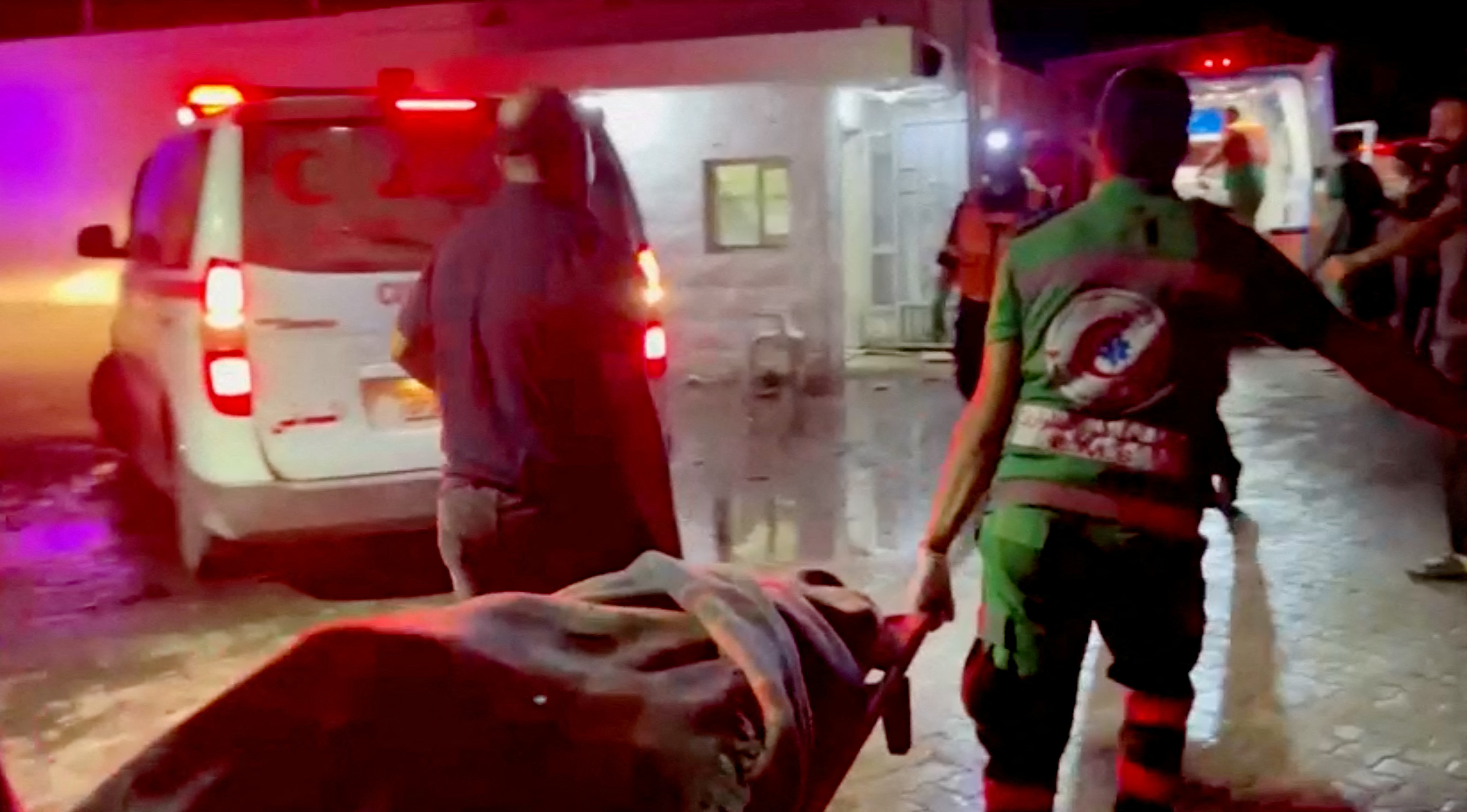
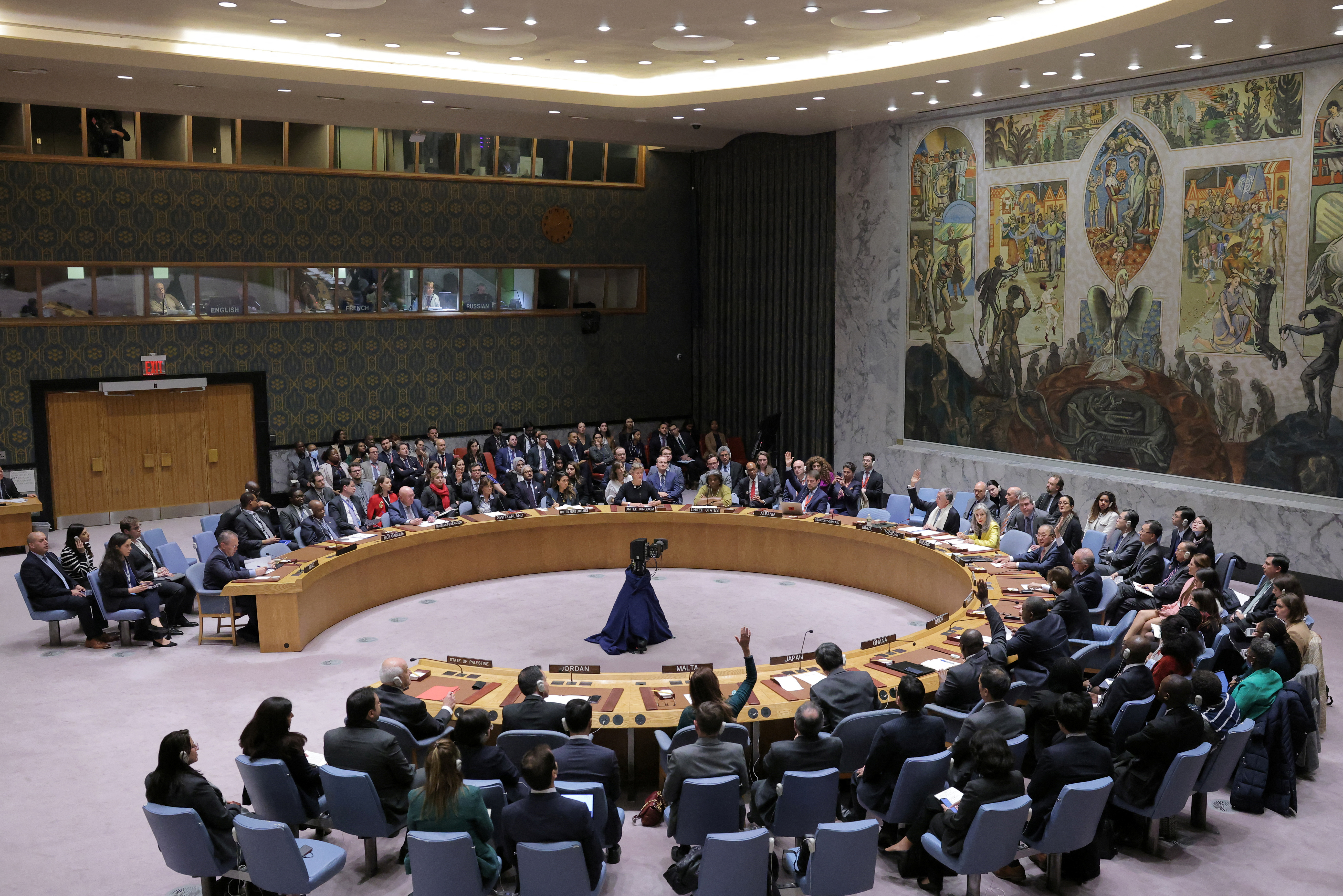
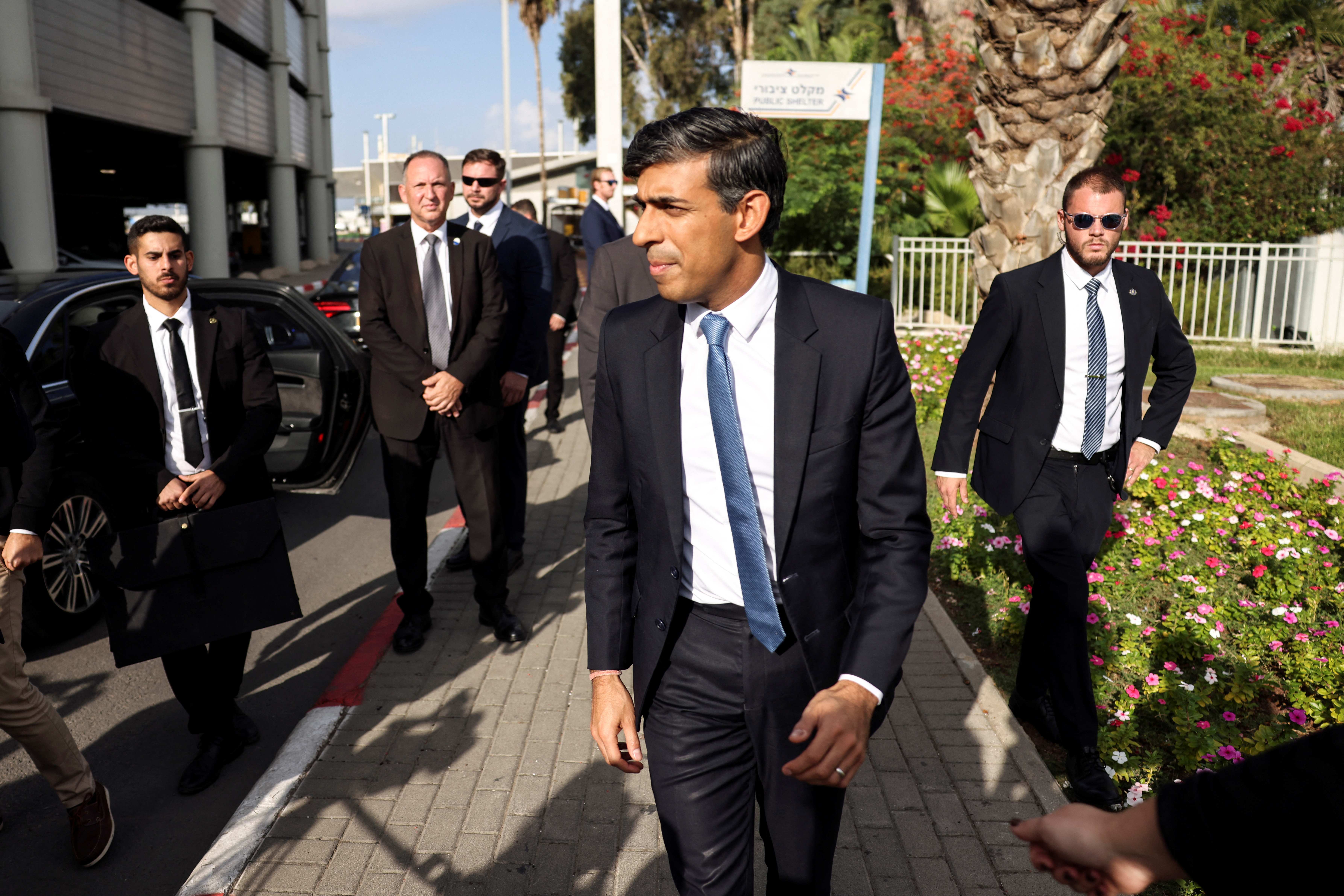

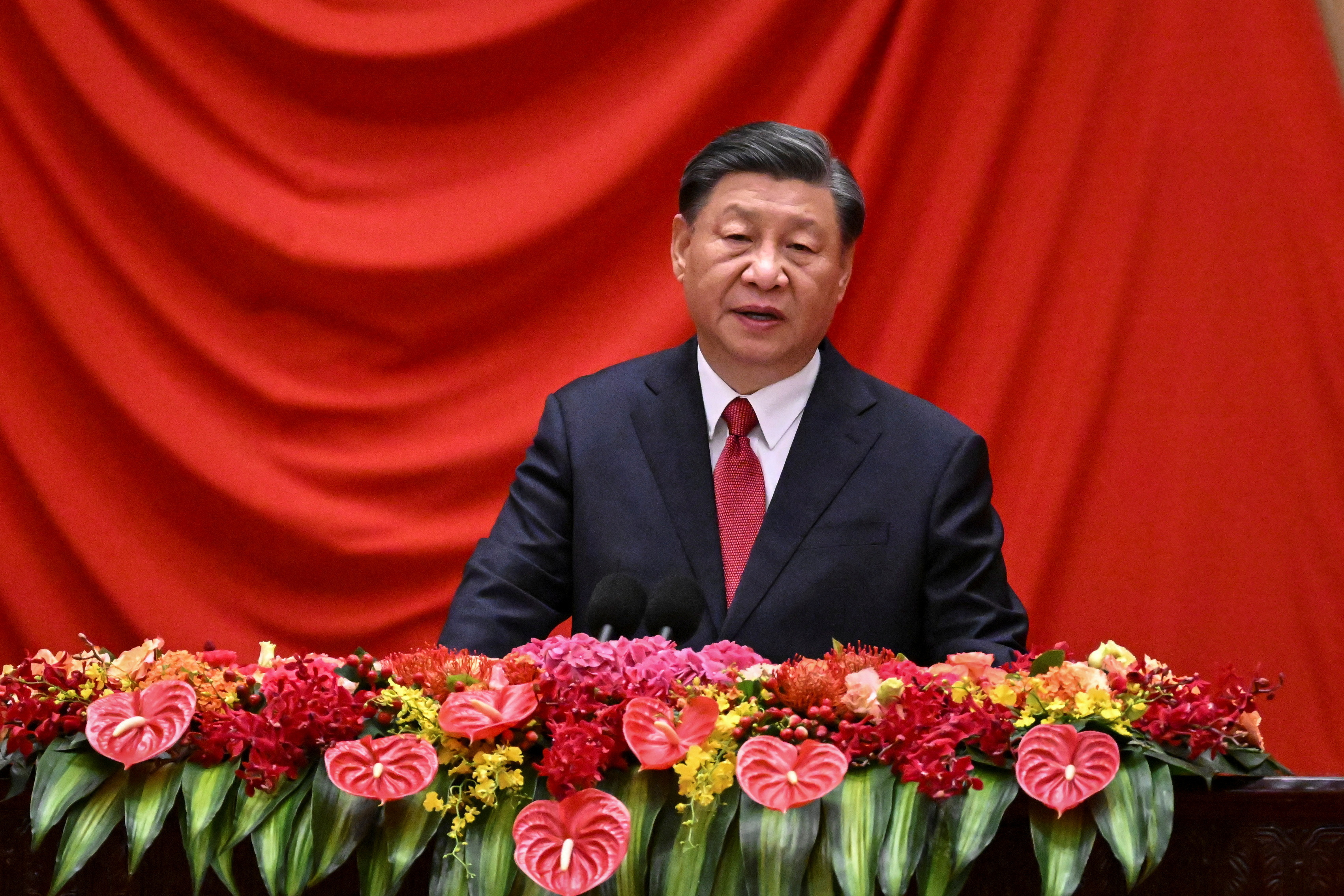

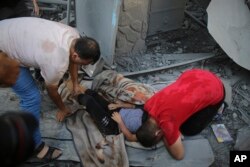
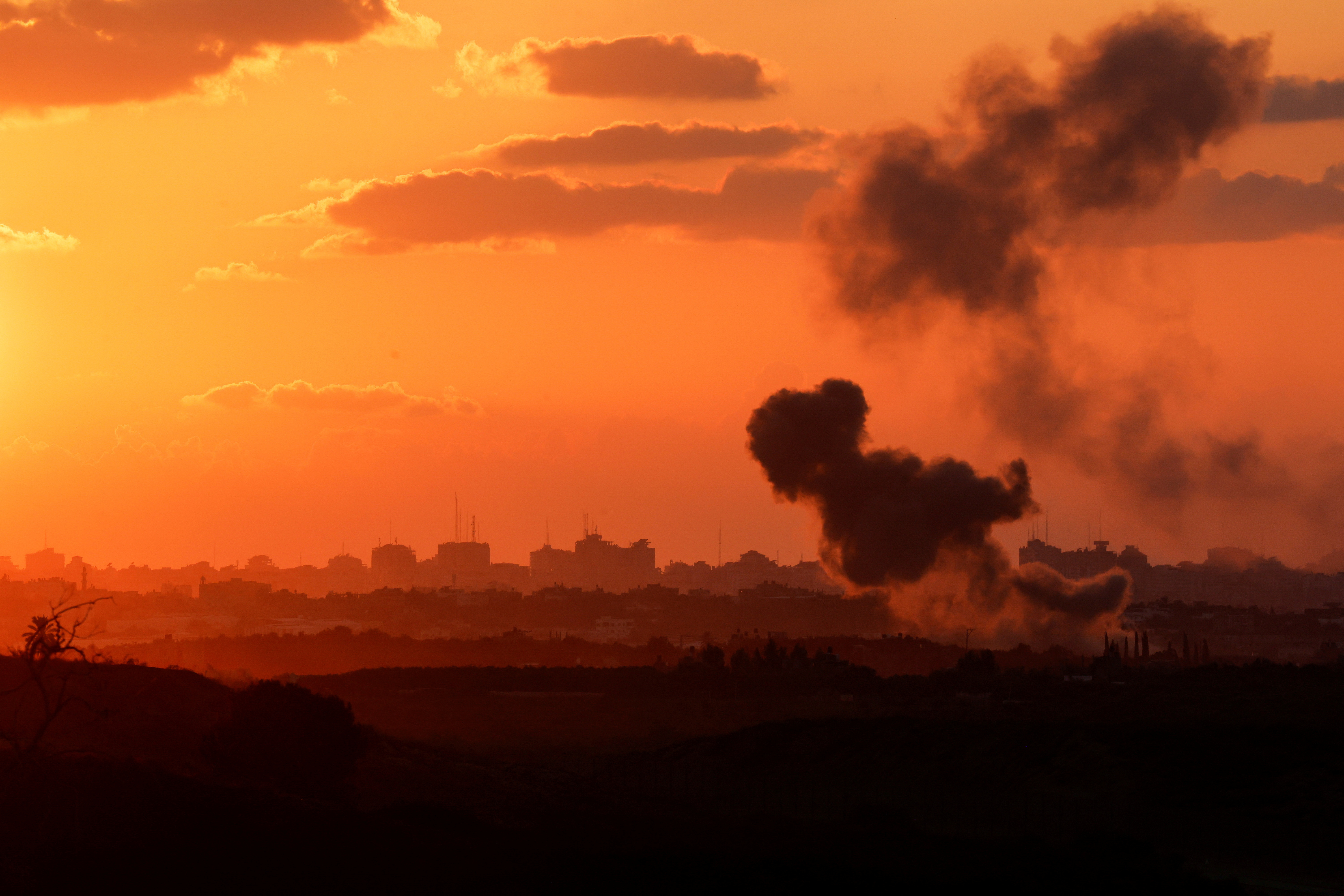

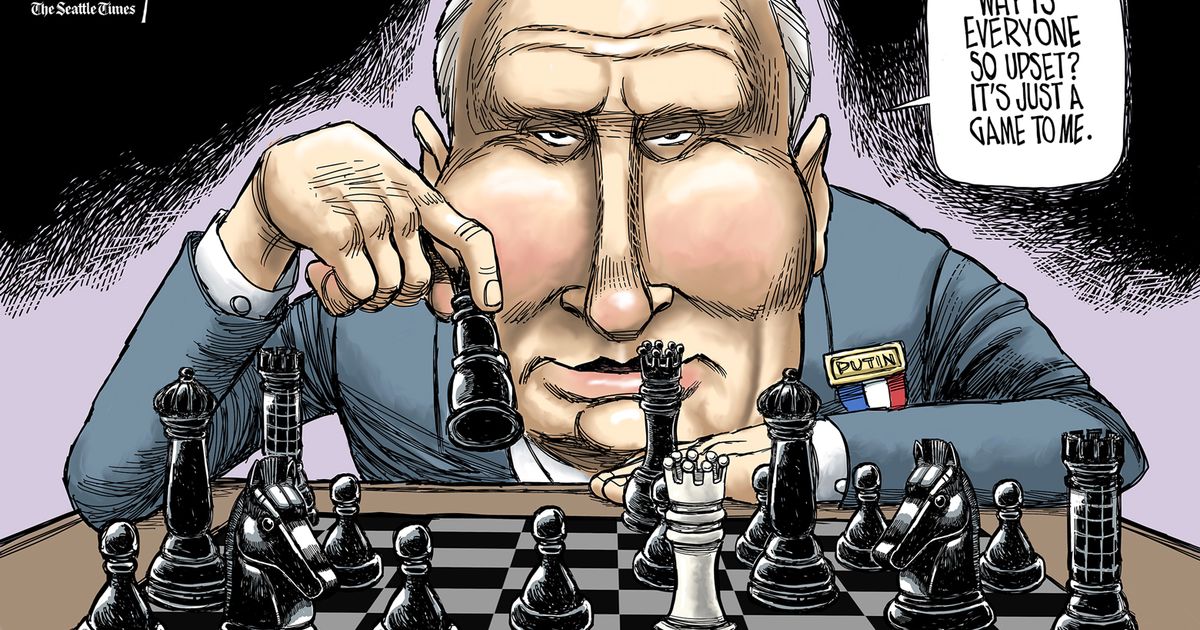
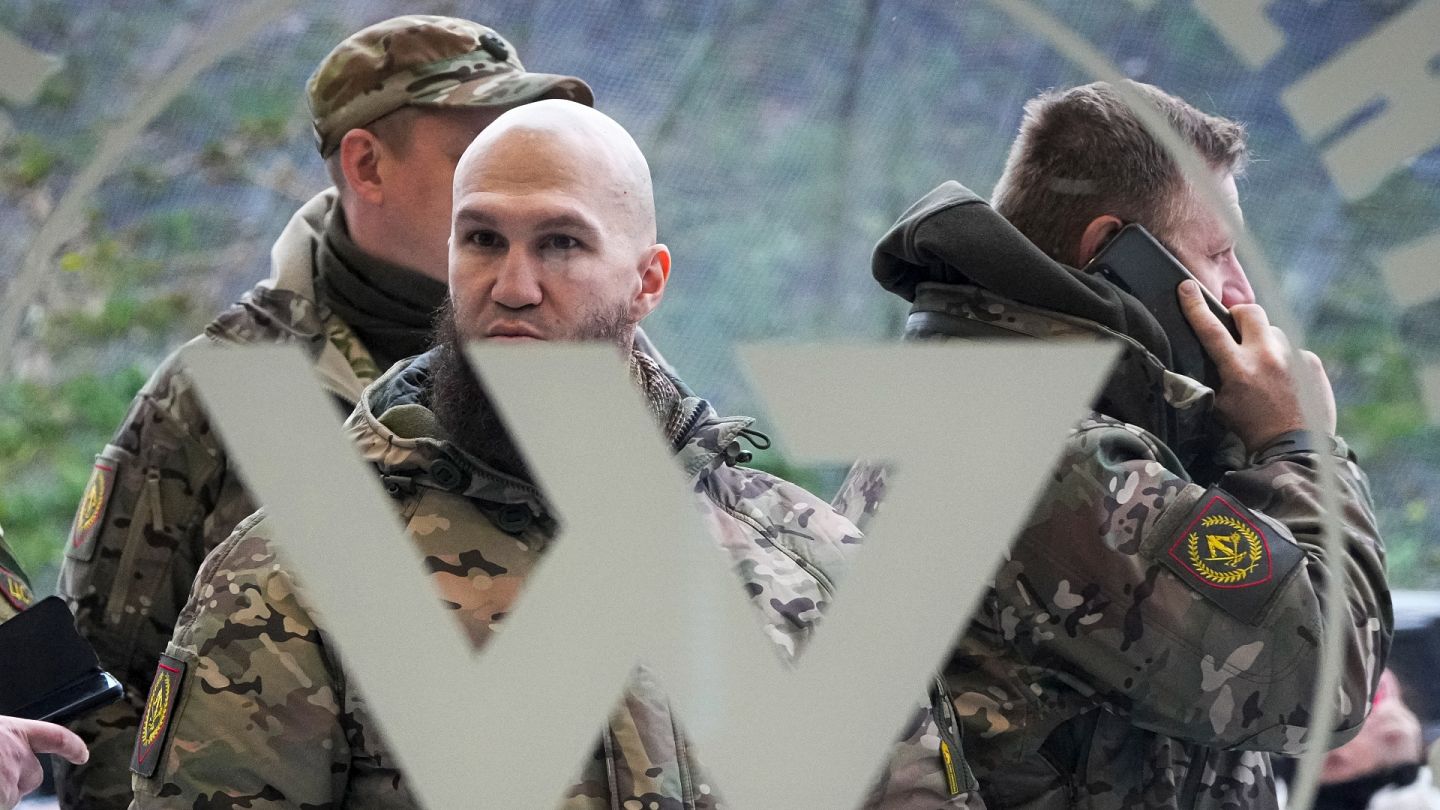



/cloudfront-us-east-2.images.arcpublishing.com/reuters/RKAE3EOKXVIC3J5O2TF4AYDMDI.jpg)






/cloudfront-us-east-2.images.arcpublishing.com/reuters/DIGXMGXKFBOFPBF6B2ARCT7TQU.jpg)

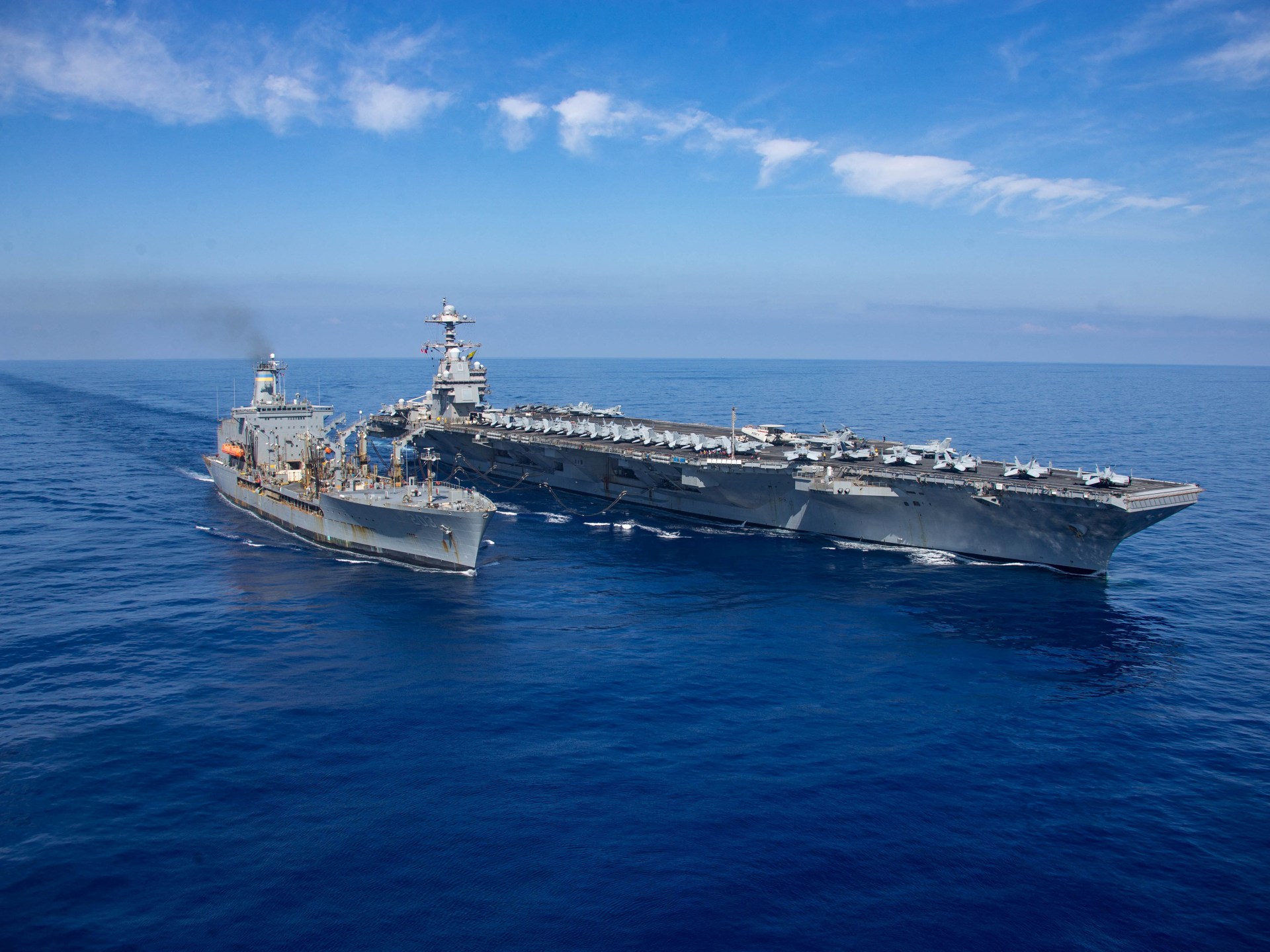

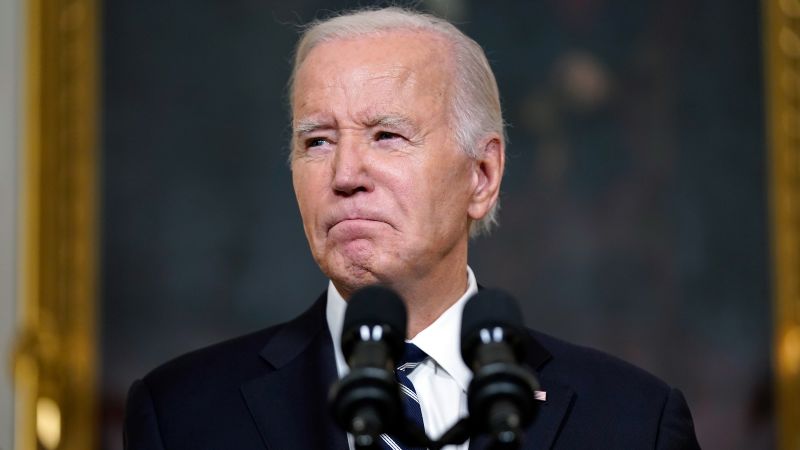
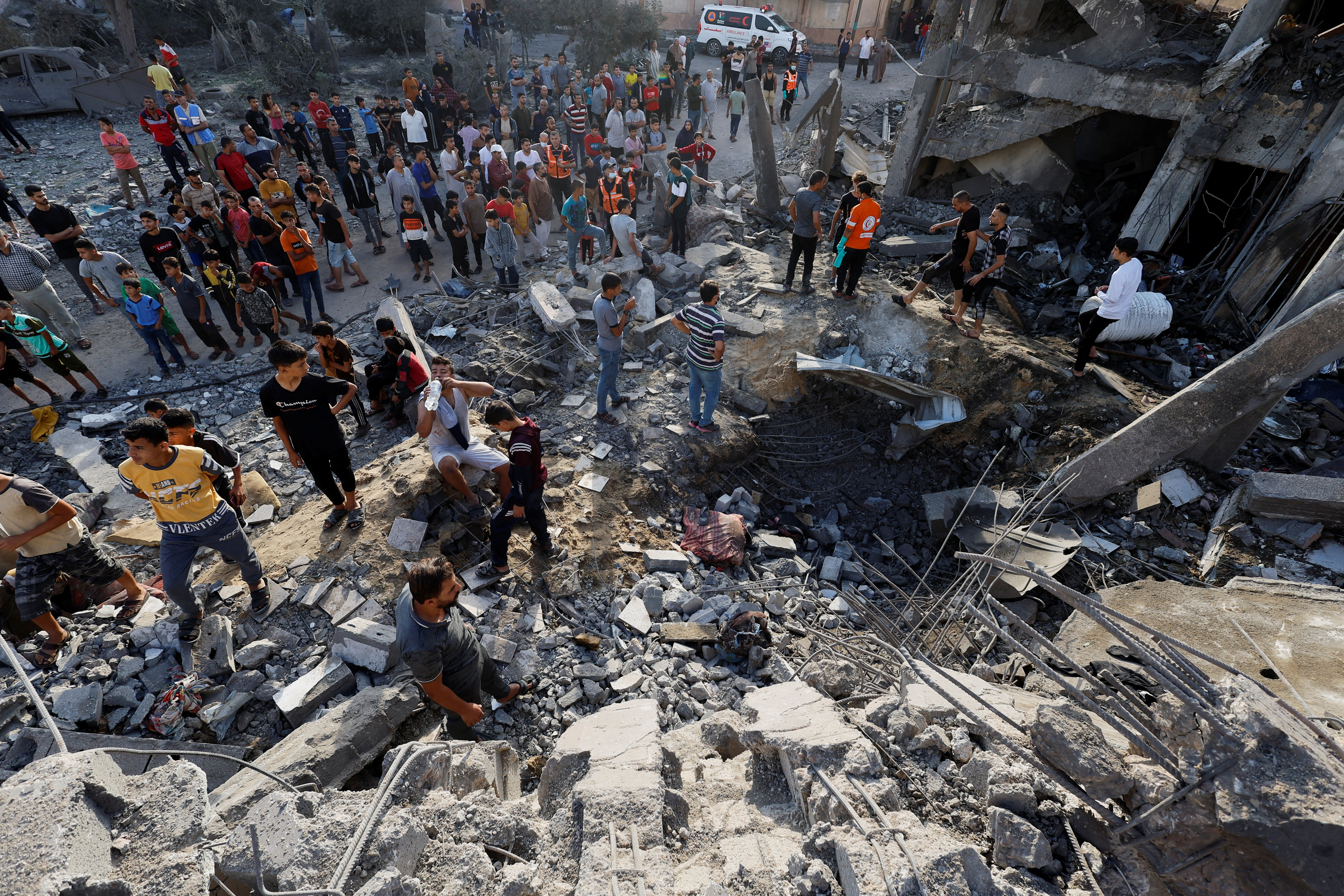
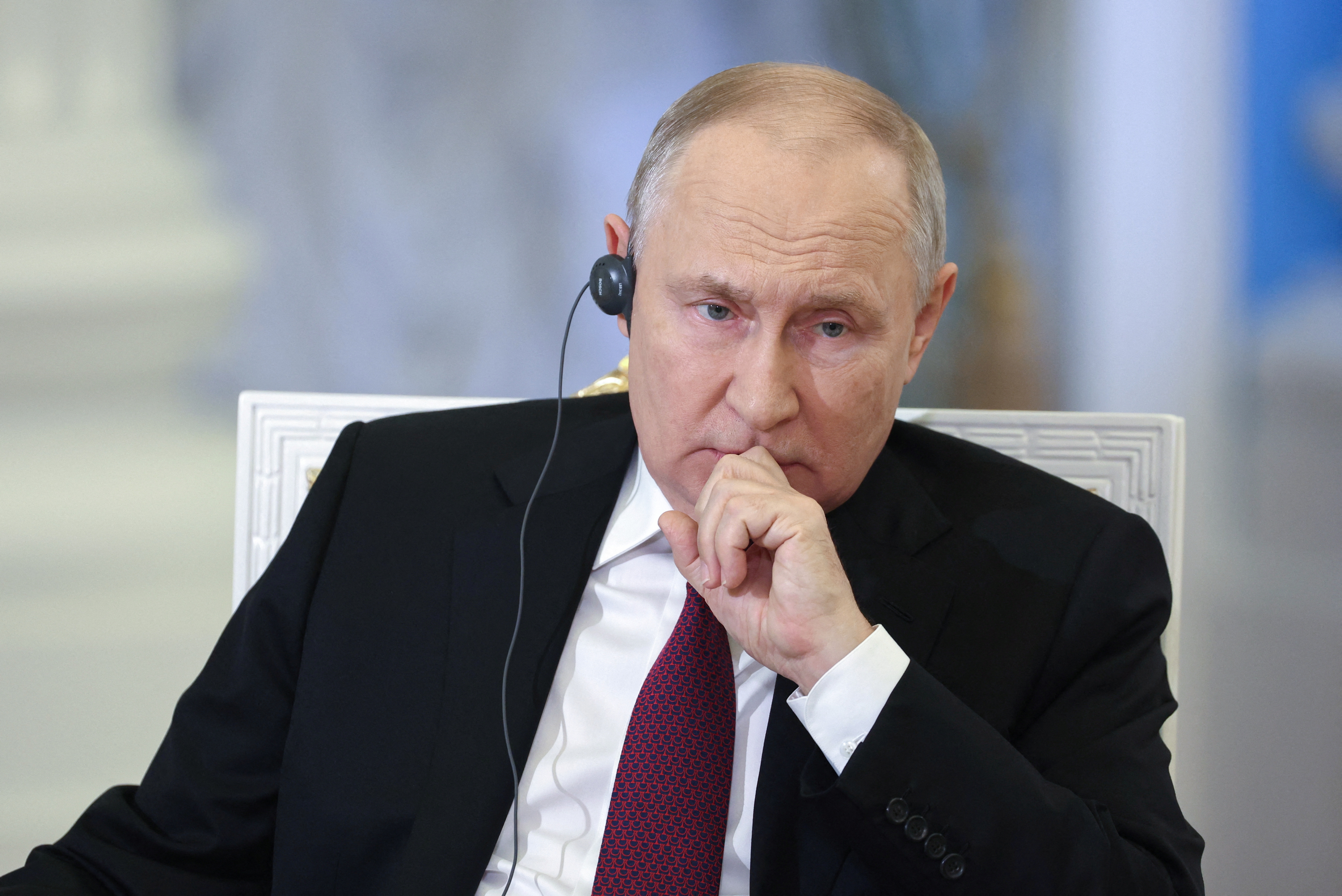
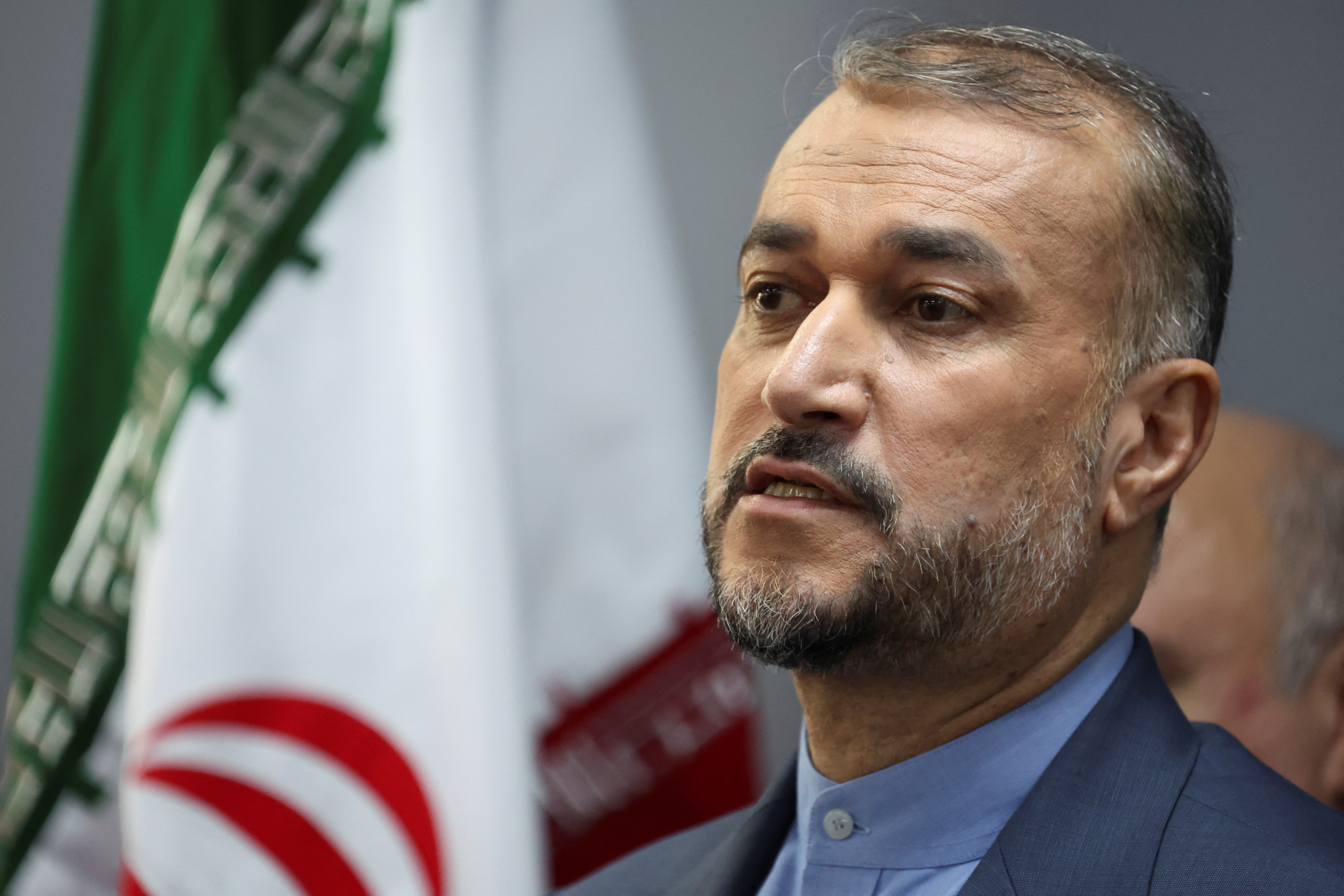
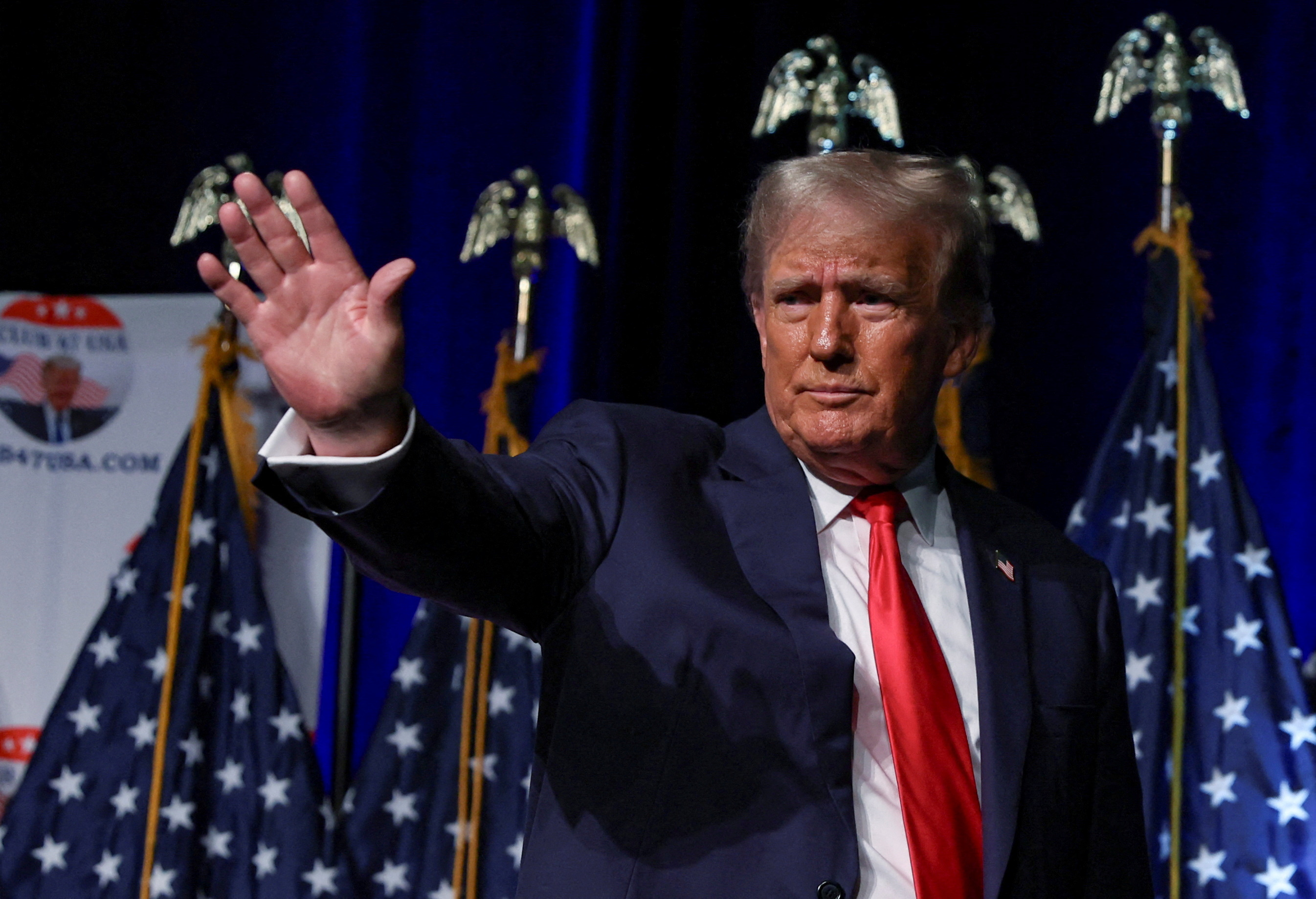
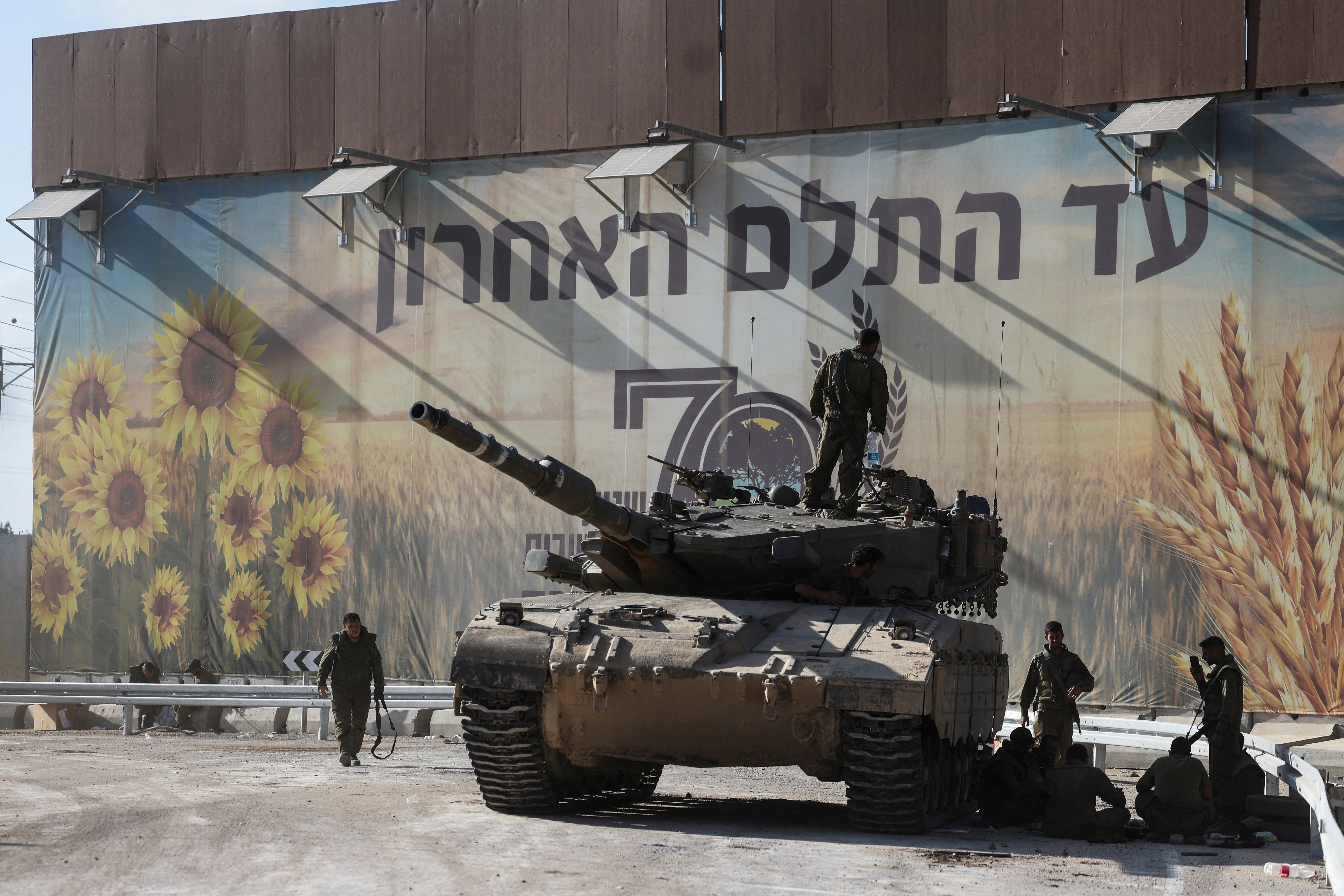

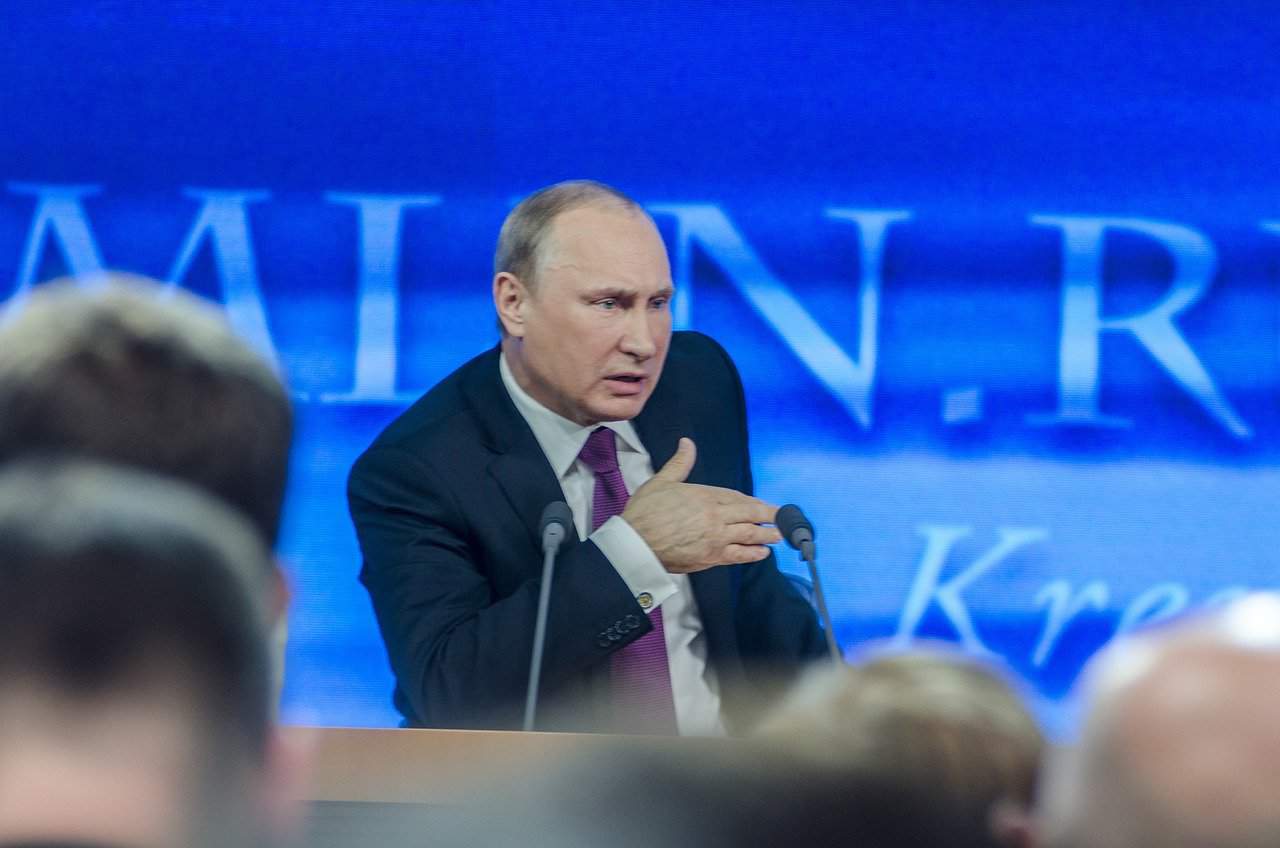
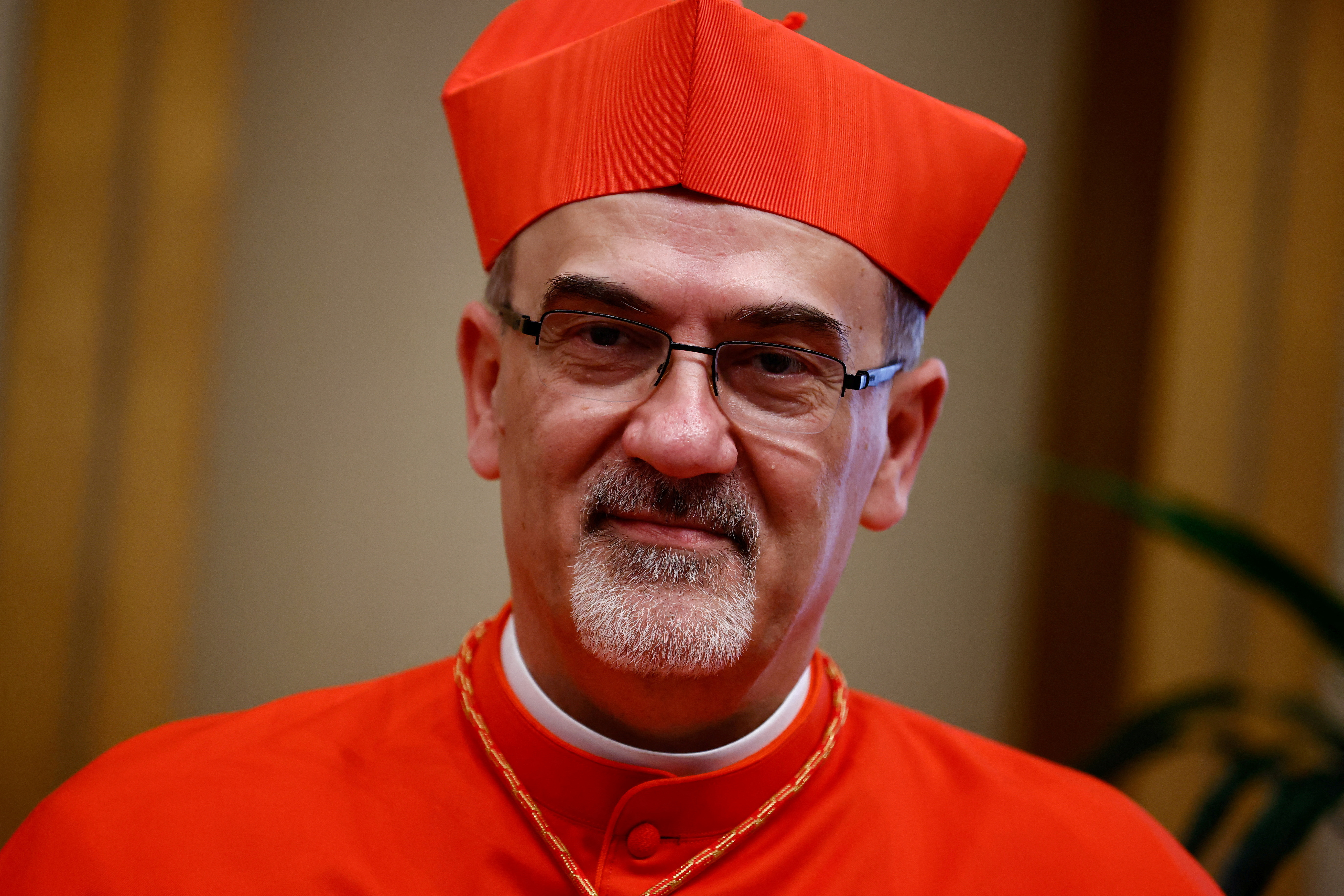
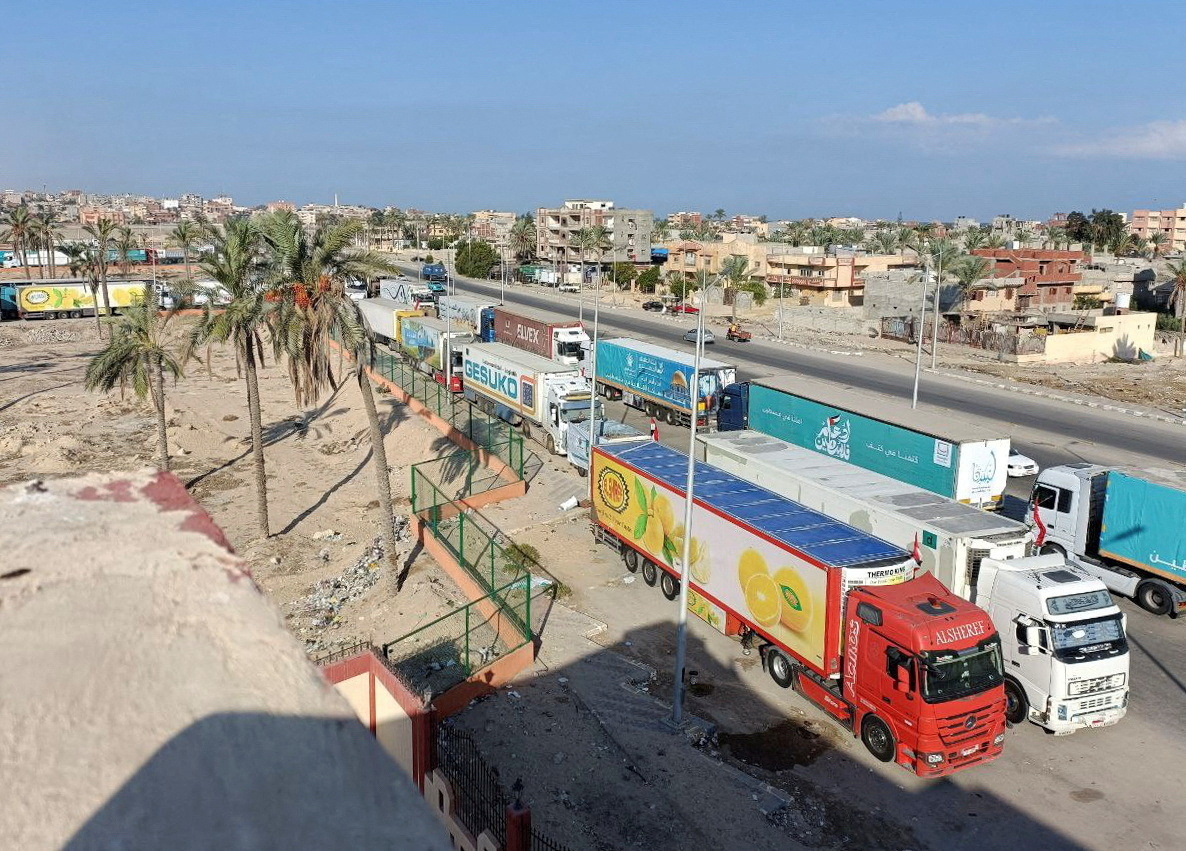
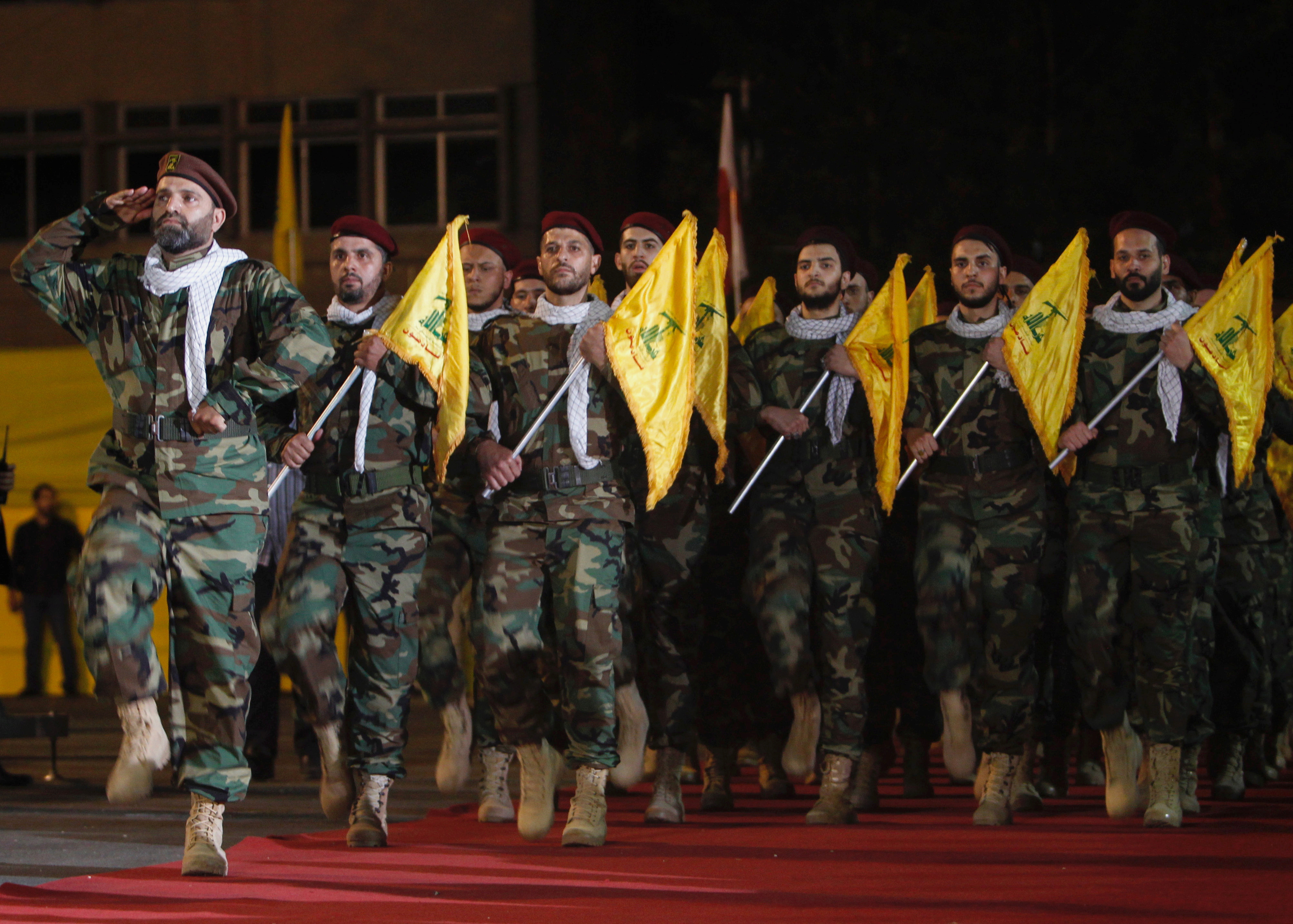

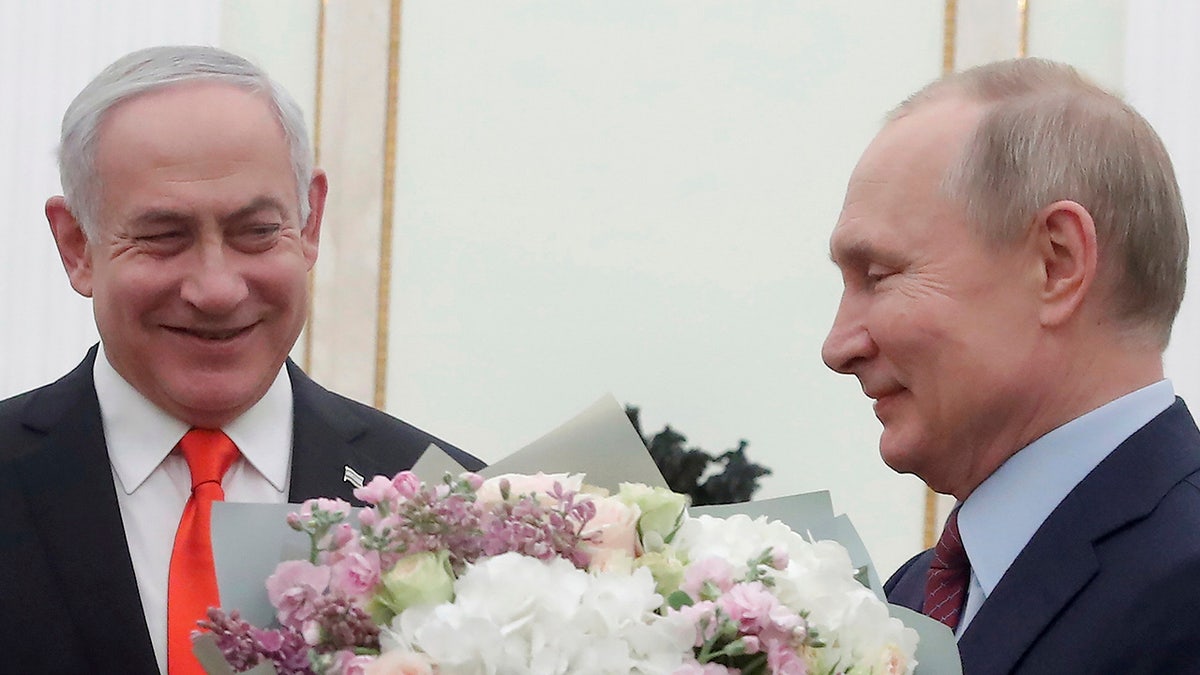

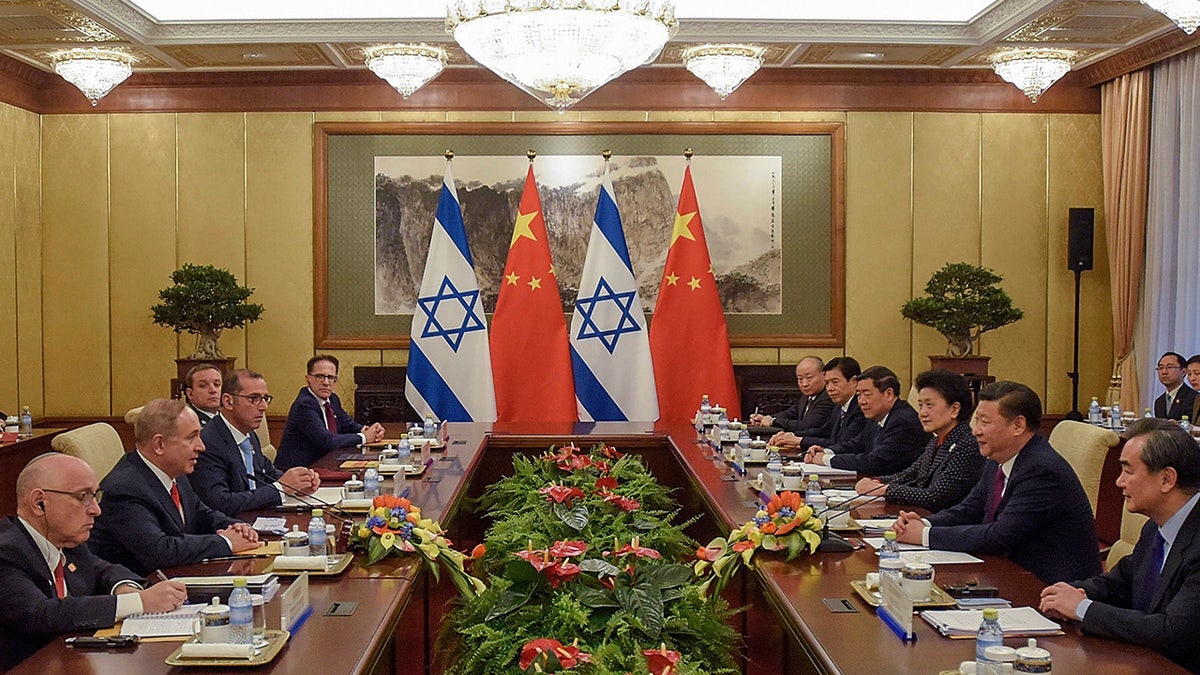

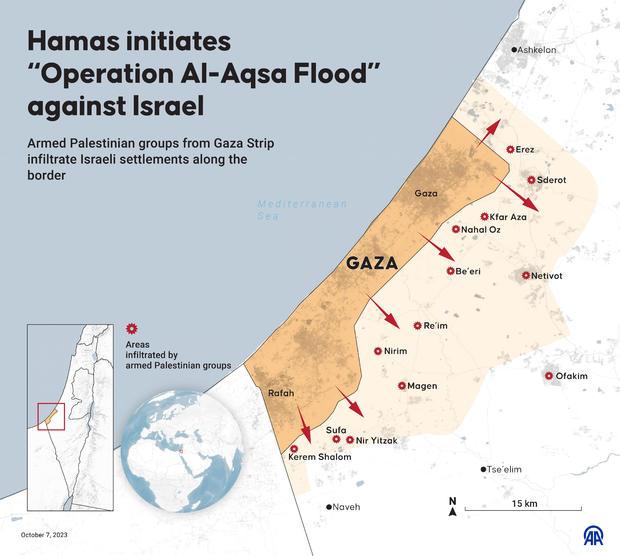 Map shows some of the locations of Hamas’ attacks in Israel Yasin Demirci/Anadolu Agency via Getty Images
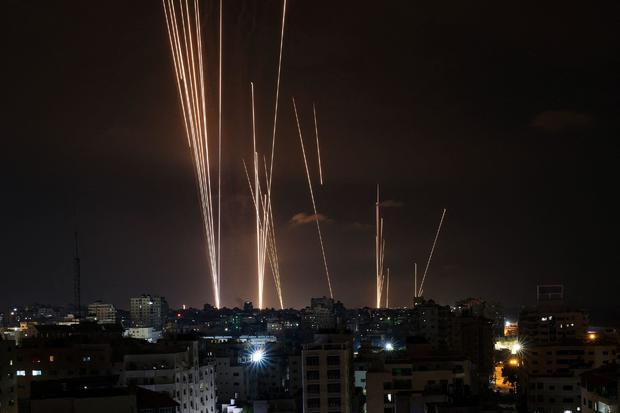 A salvo of rockets was fired by Palestinian militants from Gaza City toward Israel on October 7, 2023. MAHMUD HAMS/AFP via Getty Images
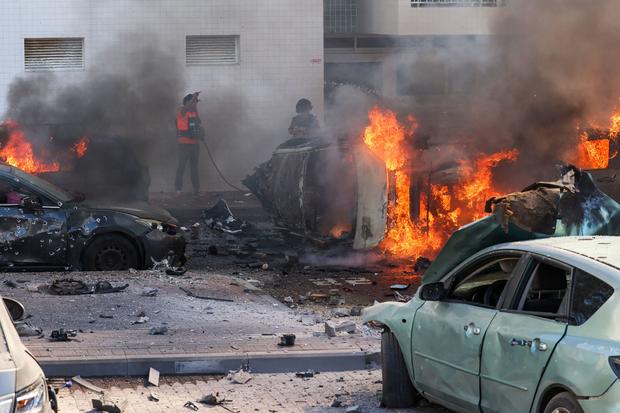 People try to extinguish fire on cars in Ashkelon, southern Israel, following a Hamas rocket attack from the Gaza Strip on Oct. 7, 2023. AHMAD GHARABLI/AFP via Getty Images
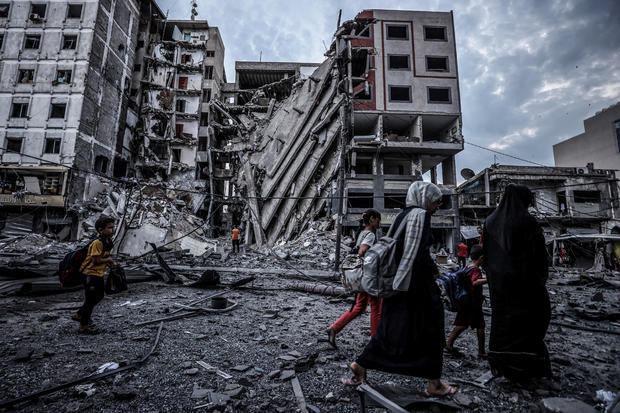 Israeli airstrikes on the Islamic National Bank of Gaza destroyed buildings in the Rimal district of Gaza City, Gaza, on Oct. 8, 2023. Ali Jadallah/Anadolu Agency via Getty Images
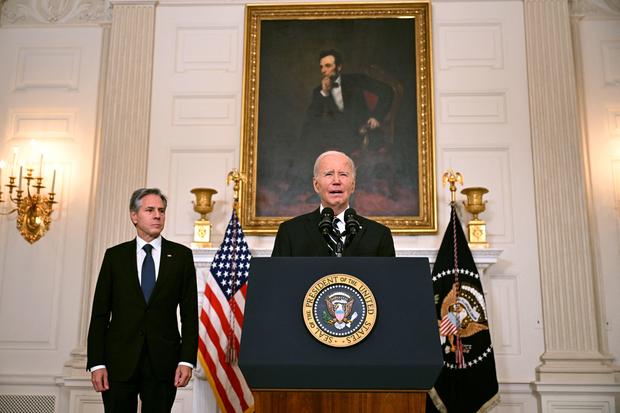 President Joe Biden, with Secretary of State Antony Blinken, condemned the attack and vowed U.S. support for Israel in remarks from White House on Oct. 7, 2023. JIM WATSON/AFP via Getty Images
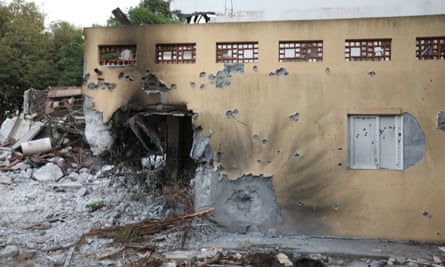 Building after building has been destroyed. Photograph: Quique Kierszenbaum/The Guardian
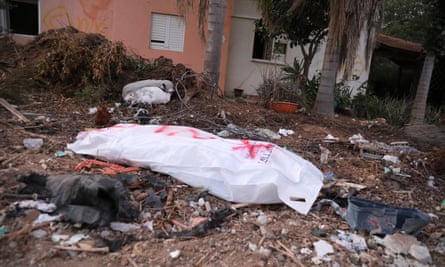 The body of a Hamas militant in kibbutz Be’eri Photograph: Quique Kierszenbaum/The Guardian
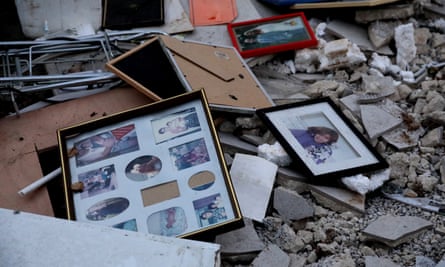 Family photos among the destruction. Photograph: Quique Kierszenbaum/The Guardian