Categories
Selected Articles

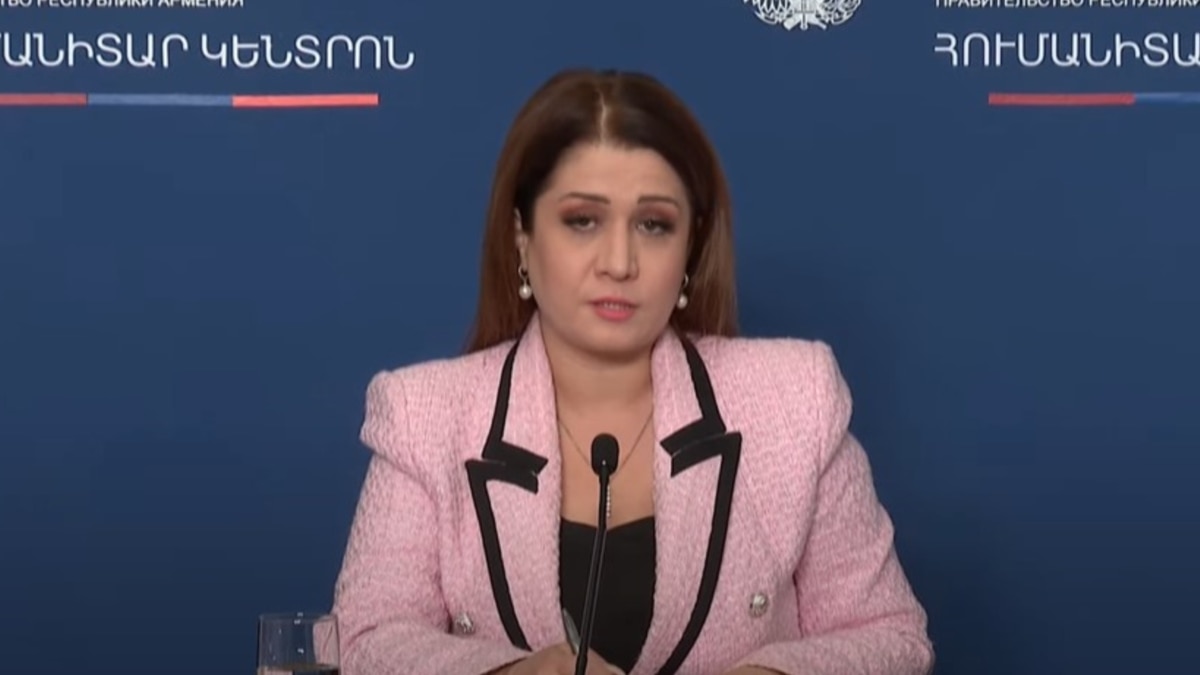
Լեռնային Ղարաբաղից բռնի տեղահանված 47 հազար 115 անձ է հատել ՀՀ սահմանը․ Բաղդասարյան


01000000-0aff-0242-e8b9-08dbbf32b8da_cx7

Առավոտյան ժամը 8-ի դրությամբ Լեռնային Ղարաբաղից բռնի տեղահանված 42 հազար 502 անձ է հատել Հայաստանի սահմանը, որից 22 հազար 800 արդեն հաշվառվել են, իսկ կեսօրի դրությամբ սահմանը հատածների թիվը 5 հազարով ավելացավ՝ դառնալով շուրջ 47 հազար 115, այսօր հայտարարեց Հայաստանի վարչապետի մամուլի քարտուղար Նազելի Բաղդասարյանը։

Կոռնիձոր կայանը հատելուց հետո քաղաքացիները հաշվառում են ստանում կա՛մ Գորիսի, կա՛մ Վայքի հատուկ հաշվառման կենտրոններում, որից հետո տեղի է ունենում տեղաբաշխումը։

«Սահմանը հատած 42 հազար 502 անձից միան 4 հազար 2 մարդ է ցանկացել օգտվել պետության այս աջակցությունից, որը կազմում է ընդամենը 10 տոկոսը», – ասաց Բաղդասարյանը՝ նշելով, որ մնացած քաղաքացիները ցանկացել են իրենց բնակության և կեցության հարցերն ինքնուրույն կազմակերպել։

Վարչապետի խոսնակը ներկայացրեց նաև 42 հազար 502 անձանց բաշխվածությունն ըստ մարզերի․ Սյունիքում՝ 1465 անձ, Վայոց Ձորում՝ 810, Գեղարքունիքում՝ 976, Տավուշում՝ 298, Արմավիրում՝ 200, Արագածոտնում՝ 30, Շիրակում՝ 203, Կոտայքում՝ 20։

Ինչ վերաբերում է կոորդինացիոն կենտրոններում չհաշվառված արցախցիներին՝ աշխատանքի և սոցիալական հարցերի նախարար Նարեկ Մկրտչյանը կոչ արեց նրանց՝ կապ հաստատել միասնական սոցիալական ծառայության տարածքային կենտրոնների հետ կամ հաշվառվել մարզերում և համայնքներում գործող կոորդինացիոն հաշվառման կենտրոններում, որպեսզի պետությունը կարողանա ամբողջական պատկեր ունենալ և արդյունավետ կառավարում իրականացնել։


Categories
Selected Articles

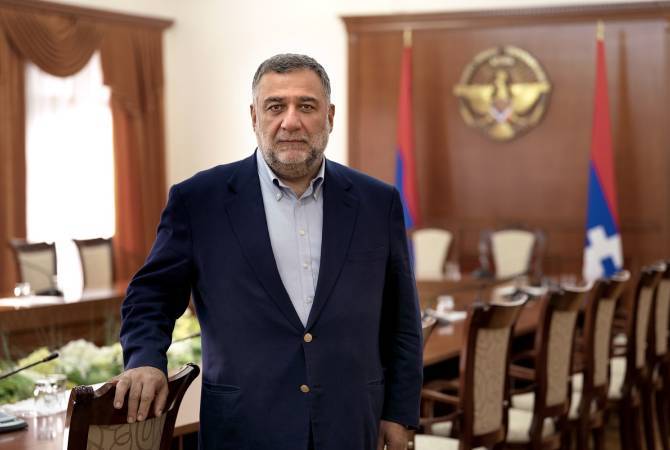
Ruben Vardanyan arrested, held captive by Azerbaijan, says wife


Ruben Vardanyan arrested, held captive by Azerbaijan, says wife
14:28, 27 September 2023

YEREVAN, SEPTEMBER 27, ARMENPRESS. Aurora Humanitarian Initiative co-founder and former State Minister of Nagorno-Karabakh (Artsakh) Ruben Vardanyan has been arrested by Azerbaijani authorities, his wife said in a statement on September 27.

Ruben Vardanyan’s wife Veronika Zonabend’s statement is presented below.

“My husband, Ruben Vardanyan, the philanthropist, businessman and former minister of state of Artsakh, has been arrested and held captive by the Azerbaijani authorities at the border as he attempted to leave this morning, along with thousands of Armenians escaping Azerbaijani occupation. Ruben stood with the Arsakh people during the 10-month blockade and suffered along with them in the struggle for survival. I ask for your prayers and support to ensure my husband’s safe release.”

Azeri news media have also reported Vardanyan’s arrest.


Categories
Selected Articles

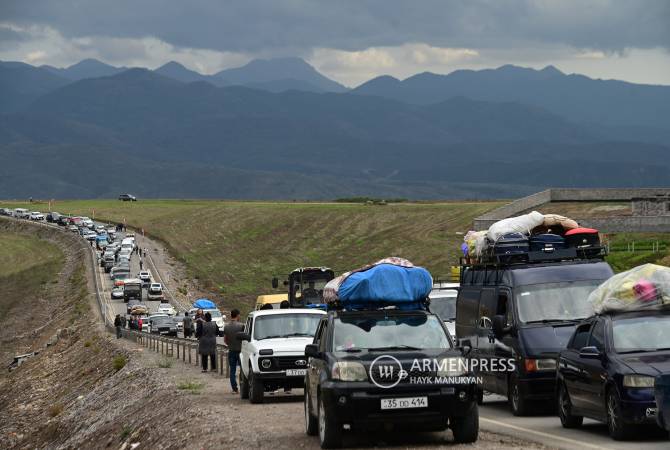
42,500 forcibly displaced persons cross into Armenia from Nagorno-Karabakh


42,500 forcibly displaced persons cross into Armenia from Nagorno-Karabakh
12:27, 27 September 2023

YEREVAN, SEPTEMBER 27, ARMENPRESS. 42,500 forcibly displaced persons have crossed into Armenia from Nagorno-Karabakh, the government of Armenia said citing data as of 08:00, September 27.

22,800 of the 42,500 have already been registered.

The registration process continues. 

“4,002 persons were provided with accommodation by the government so far: 1,465 in Syunik, 810 in Vayots Dzor, 976 in Gegharkunik, 298 in Tavush, 200 in Armavir, 30 in Aragatsotn, 203 in Shirak and 20 in Kotayk,” said Nazeli Baghdasaryan, the spokesperson of Prime Minister Nikol Pashinyan.

“This is the primary aid, our priority is to ensure certain accommodation to the Armenians of Nagorno-Karabakh,” she added.

The Armenian government offers accommodation to all arriving forcibly displaced persons from Nagorno-Karabakh. Some of the forcibly displaced persons chose to stay with their relatives or friends in Armenia.


Categories
Operation "Doppelganger"

Escuchar música gratis: 18 webs y apps que puedes usar desde … – Xataka


Te traemos una lista con 18 webs y aplicaciones para escuchar música gratis, ya sea en tu ordenador mediante el navegador o tu móvil o tableta.

Categories
Selected Articles

More Than 47,000 Arrive In Armenia From Karabakh As U.S., EU Pledge Aid To Refugees


Ukrainian soldiers ride on top of an armored personnel carrier in Kostyantynivka, Donetsk region, on September 25.

Ukrainian soldiers ride on top of an armored personnel carrier in Kostyantynivka, Donetsk region, on September 25.

Ukrainian President Volodymyr Zelenskiy vowed new Ukrainian action against Russia following a missile strike last week against Russia’s Black Sea Fleet headquarters that Kyiv said killed nearly three dozen officers, including its top commander.

“We clearly see which directions of pressure on Russia need to be strengthened to prevent [its] terrorist capabilities from growing,” Zelenskiy said in his nightly video address on September 26. He also said that an analysis of Russia’s military industry shows that pressure on Moscow should be increased.

“We can clearly see which areas of pressure on Russia should be strengthened so that terrorist possibilities do not increase,” he said. “Sanctions are not enough.”

The Ukrainian military said earlier that 20 combat clashes took place on September 26 along the front line amid air strikes in the Donetsk region and fighting in the area around Bakhmut.

An air strike hit near the key village of Klishchiyivka in the Donetsk region in eastern Ukraine, during the day, the General Staff said in its evening report.

Ukrainian forces appeared earlier this month to have recaptured Klishchiyivka as part of their drive to liberate the symbolic eastern town of Bakhmut. The Ukrainian military said on September 26 that its forces were “firmly on the defensive” in the area around the embattled city.


RFE/RL’s Live Briefing gives you all of the latest developments on Russia’s full-scale invasion, Kyiv’s counteroffensive, Western military aid, global reaction, and the plight of civilians. For all of RFE/RL’s coverage of the war in Ukraine, click here.

In addition, Ukrainian troops “successfully repelled” Russian attacks to the southeast of the settlement of Severny and enemy attacks in the Maryinka area, both in the Donetsk region, the General Staff said.

The Prosecutor-General’s Office reported Russian military shelling in the Kharkiv region, saying that according to preliminary information, a 64-year-old civilian was injured and hospitalized. In addition, residential buildings, commercial buildings, and a car were damaged, the Prosecutor-General’s Office said.

Ukraine’s military claimed earlier on September 26 that nearly three dozen officers with Russia’s Black Sea Fleet, including its top commander, were killed in a missile attack on the fleet headquarters last week.

Ukraine’s claim about its strike against the Russian Black Sea Fleet could not be immediately confirmed, and Russia released markedly lower casualty figures from the September 22 attack on the Crimea port of Sevastopol.

But the strike itself on the naval headquarters was the latest in a series of increasingly audacious attacks by Ukrainian forces on Russian ships and Black Sea facilities — attacks that Western experts say may have drastically curtailed Russia’s naval operations in the region.

In a statement issued on September 25, Ukraine’s special operations forces cited “new information about the losses of the enemy as a result of the special operation,” claiming that 34 officers, including the fleet commander, were killed when cruise missiles — believed to be either British or French — hit the Sevastopol building. At least 105 others were wounded, it said.

IN PHOTOS: Kyiv has said that its use of heavy weapons supplied by the West is inflicting a significant toll on Russian forces near Bakhmut. RFE/RL cannot independently verify battlefield claims made by either side.


Photo Gallery:

The Ukrainian statement did not name the naval commander in its statement. The current top officer in the Black Sea Fleet is Admiral Viktor Sokolov.

Asked by reporters on September 26 about the Ukrainian claim, Kremlin spokesman Dmitry Peskov said he had no comment. And a video released later by state news agency RIA Novosti showed a meeting of top Russian military officials, and RIA said Sokolov was in attendance.

The September 22 attack, which was caught on bystanders’ video and satellite imagery, came on the heels of a missile strike nine days earlier that hit Sevastopol’s main naval shipyard. Two ships — a landing vessel and a diesel submarine — that were undergoing repairs in a dry dock facility were believed to be severely damaged, if not destroyed. The dry dock facility may have also been damaged, which would limit Russia’s ability to maintain and repair its naval ships.

Russia has stepped up its aerial bombardments of Ukrainian sites, targeting in particular Ukraine’s grain-exporting infrastructure in the southern Odesa and Mykolayiv regions. Ukraine has resumed exporting grain despite Russia’s pulling out of a United Nations-brokered deal allowing safe grain shipments in July.

An overnight air strike on another port facility in Izmayil injured two people and damaged infrastructure, the region’s governor said in a post to Telegram on September 26. Ukraine’s military reported shooting down 26 of 38 Iranian-made attack drones it said were launched by Russia.

Russian air defenses shot down a drone on September 26 as it approached the city of Belgorod, regional Governor Vyacheslav Gladkov said. There were no casualties or damage, according to preliminary information, he said on Telegram.

With reporting by Current Time, AFP, TASS, and Reuters

Categories
Selected Articles

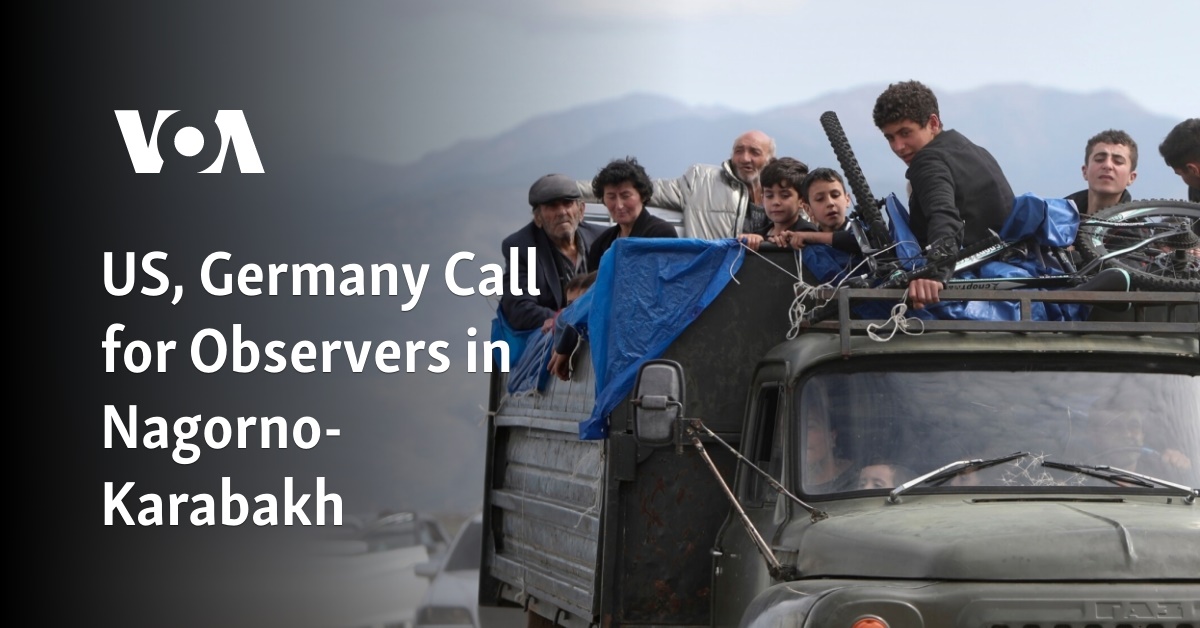
US, Germany Call for Observers in Nagorno-Karabakh


07C68187-945D-467A-806E-077C7B8A282E.jpg

The United States and Germany added to calls for international observers to be allowed into the Nagorno-Karabakh region, as Azerbaijan said Wednesday that 192 of its soldiers were killed in an operation to retake the area from ethnic Armenian separatists.

The U.S. State Department said Secretary of State Antony Blinken urged Azerbaijan President Ilham Aliyev in a phone call to assure people in Nagorno-Karabakh their rights will be protected and to allow for humanitarian access to the region.

“The secretary urged President Aliyev to commit to broad amnesty and allow an international observer mission into Nagorno-Karabakh, and noted the President’s public commitments to help build a future for all those in Nagorno-Karabakh based on peace, mutual understanding, and mutual respect,” State Department spokesperson Matthew Miller said in a statement.

Aliyev’s office said he told Blinken “that respective activities are underway to ensure the rights of Armenian residents living in the Karabakh region” and that Azerbaijan’s forces targeted only military facilities in the 24-hour operation last week.

German Foreign Minister Annalena Baerbock said Wednesday that allowing monitors into the region “would be proof of confidence that Azerbaijan is serious about its commitments on the security and the wellbeing of people in Nagorno-Karabakh.”

Baerbock also announced Germany would more than double the humanitarian aid it is providing through the International Red Cross, boosting the funding to more than $5 million.

Azerbaijan’s offensive has pushed thousands of ethnic Armenians to flee Nagorno-Karabakh, which is entirely within Azerbaijan but had been under ethnic Armenian control since 1994, until parts of it were reclaimed by Azerbaijan during a war in 2020.

More than 43,000 people had arrived in Armenia by early Wednesday.

Separatist officials said the casualties on their side included more than 200 dead and 400 injured.

Some information for this report was provided by The Associated Press, Agence France-Presse and Reuters.


Categories
Selected Articles

Armenia calls for a UN mission to be sent to Nagorno-Karabakh


By Euronews with AP

Azerbaijan regained control of its breakaway region of Nagorno-Karabakh in a deadly two-day military offensive. On Thursday, it held initial talks with representatives of its ethnic Armenian population to discuss reintegration.

Speaking to the United Nations Security Council, Azeri Foreign Minister Jeyhun Bayramov reaffirmed Azerbaijan’s determination to guarantee Nagorno-Karabakh residents “all rights and freedoms” in line with the country’s constitution and international human rights obligations, including safeguards for ethnic minorities.

ADVERTISEMENT

He said the talks with Nagorno-Karabakh in the Azerbaijani city of Yevlakh will continue.

Armenian Foreign Minister Ararat Mirzoyan, who called for the emergency meeting of the Security Council along with France, accused Azerbaijan of an “unprovoked and well-planned military attack,” launched to coincide with this week’s annual meeting of world leaders at the UN General Assembly.

Mirzoyan said the offensive targeted critical infrastructure such as electricity stations, telephone cables and internet equipment, killed more than 200 people and wounded 400 others, including women and children. 

He said the “barbarity” of Azerbaijan’s aggression and deliberate targeting of the civilian population “was the final act of this tragedy aimed at the forced exodus of the people of Nagorno-Karabakh.”

Bayramov strongly denied the allegations of ethnic cleansing. He said representatives from Nagorno-Karabakh asked during Thursday’s talks for humanitarian aid, including food and fuel for schools, hospitals and other facilities that government agencies will provide soon.

Bayramov said Armenia kept more than 10,000 “armed formations” and heavy military equipment in Nagorno-Karabakh after the 2020 agreement. During the operation that started Tuesday, more than 90 of their outposts were taken, along with substantial military equipment, he said.

He held up photos of equipment he claimed was seized.

Mirzoyan urged the Security Council to demand protection for civilians in Nagorno-Karabakh; to immediately deploy a UN mission to monitor the human rights, humanitarian and security situation; to seek the return of prisoners of war; and to consider deploying a UN peacekeeping force to the region.

Azerbaijan’s move to reclaim control over Nagorno-Karabakh raised concerns that a full-scale war in the region could resume. The 2020 war killed over 6,700 people.


Categories
Selected Articles

A Stunningly Sudden End to a Long, Bloody Conflict in the Caucasus


27karabakh-promo-pfbz-facebookJumbo.jpg

After decades of wars and tense stalemates, almost no one saw it coming: Azerbaijan seized Nagorno-Karabakh from Armenian control seemingly overnight.


Categories
Selected Articles

Armenia-Azerbaijan: Increasing Instability Likely Following Nagorno-Karabakh Capitulation


The recent capitulation of Nagorno-Karabakh’s ethnic-Armenian leadership to Azerbaijani authorities raises the likelihood of domestic instability within Armenia and renewed military conflict between Yerevan and Baku. Armenian President Nikol Pashinyan’s profoundly unpopular decision not to intervene in Nagorno-Karabakh will trigger sustained unrest and may weaken his hold on power. Simultaneously, emboldened by a quick and decisive military victory, Baku may attempt to extract additional concessions from Yerevan through direct military confrontation.

Nagorno-Karabakh authorities’ capitulation to Baku on Sept. 20 likely marks the end of the ethnically Armenian region’s quest for independence from Azerbaijan. Military hostilities resumed between Baku and Stepanakert (Xankəndi) on Sept. 19; however, unlike previous flare-ups, Yerevan declined to intervene. Subsequently, following rapid Azerbaijani advances, Stepanakert and Baku announced a ceasefire entailing complete disarmament and disbandment of militarized Armenian elements in Nagorno-Karabakh. Further talks are underway to determine a path forward for integration into Azerbaijan. Nagorno-Karabakh’s population remains deeply distrustful of Azerbaijani authorities, claiming that Baku intends to ethnically cleanse the area, and many residents are fleeing to Armenia. Large-scale population transfer to Armenia is likely in the coming weeks.

Pashinyan’s Decision Not to Intervene

Pashinyan’s decision not to intervene has been met with fury from many parts of Armenian society. Nagorno-Karabakh’s independence is enshrined in the Armenian constitution, and many Armenians feel that ensuring Nagorno-Karabakh’s separation from Azerbaijan is an integral role of the Armenian state. Demonstrations calling for Pashinyan to resign will likely grow as Stepanakert begins its integration with Baku and will intensify in the event of large refugee flows from Nagorno-Karabakh into Armenia. Should allegations of atrocities committed by Azerbaijani forces against the residents of Nagorno-Karabakh emerge or reports that Azerbaijan has crossed Armenia’s international border, demonstrations across Armenia will drastically escalate. Furthermore, given the overwhelming unpopularity of Pashinyan’s decision and the Armenian government’s alleged failure to enforce its constitutional responsibility to defend Nagorno-Karabakh, it is possible that mass protests may transform into an uprising aimed at toppling the Pashinyan government; similarly, opposition parties have formed a committee to design an impeachment plan. Within this context, an attempted military coup cannot be ruled out in the coming weeks.

Threat of Azerbaijani Military Action

The continued threat of Azerbaijani military action against sovereign Armenian territory is an additional destabilizing factor. At the very least, Azerbaijan may use the threat of force to coerce further concessions from Yerevan. Azerbaijani authorities have for years demanded Armenia open transport links to the Azerbaijani exclave of Nakhchivan in line with the 2020 Nagorno-Karabakh ceasefire agreement. Azerbaijani President Ilham Aliyev and members of his government have also publicly discussed the establishment of the “Zangezur Corridor,” a proposed Azerbaijani-controlled strip of land to be seized from Armenia along the Armenia-Iran border that would connect contiguous Azerbaijan with Nakhchivan. Baku’s military superiority over Yerevan as demonstrated in the 2020 Nagorno-Karabakh war, Turkiye’s continued strong military and political support for Azerbaijan, and Russian peacekeepers’ unwillingness to intervene in the September military operations or recent Azerbaijani activities targeting Armenia proper, likely give Azerbaijani authorities the perception that they are in a dominant position against an isolated Armenia. Baku, therefore, has significant incentives to press its advantage via renewed interstate military operations.

The Path Forward

The Armenia-Azerbaijan conflict is entering a volatile new stage likely characterized by deep Armenian vulnerability. Armenian instability, particularly any potential uprising, will likely encourage more assertive Azerbaijani military actions against Armenia, promoting further Armenian unrest. The primary factor dictating the conflict’s path forward will be Pashinyan’s ability to weather an intense political storm: should he effectively contain the institutional blowback to Nagorno-Karabakh’s collapse as an ethnically Armenian entity and prevent unrest from spiraling into serious instability, he may be able to successfully dissuade Azerbaijan from a direct military confrontation. However, it is far from certain that Pashinyan will be able to maintain control. Should impeachment or a military coup topple Pashinyan, Armenia’s new leaders will be under intense pressure to attempt to restore Stepanakert’s autonomy through military means, likely resulting in Azerbaijan extracting harsh political concessions regarding access to Nakhchivan. The development of Armenia’s public response to Nagorno-Karabakh’s defeat and Azerbaijani military movements near the Armenian border will be crucial indicators in the coming weeks of whether the conflict will escalate; any direct confrontation will likely result in further Armenian concessions. All outcomes entail political, economic, and military uncertainty for Armenia in the coming months.


Categories
Selected Articles

Menendez indictment prompts calls in US Congress for Egypt aid rethink


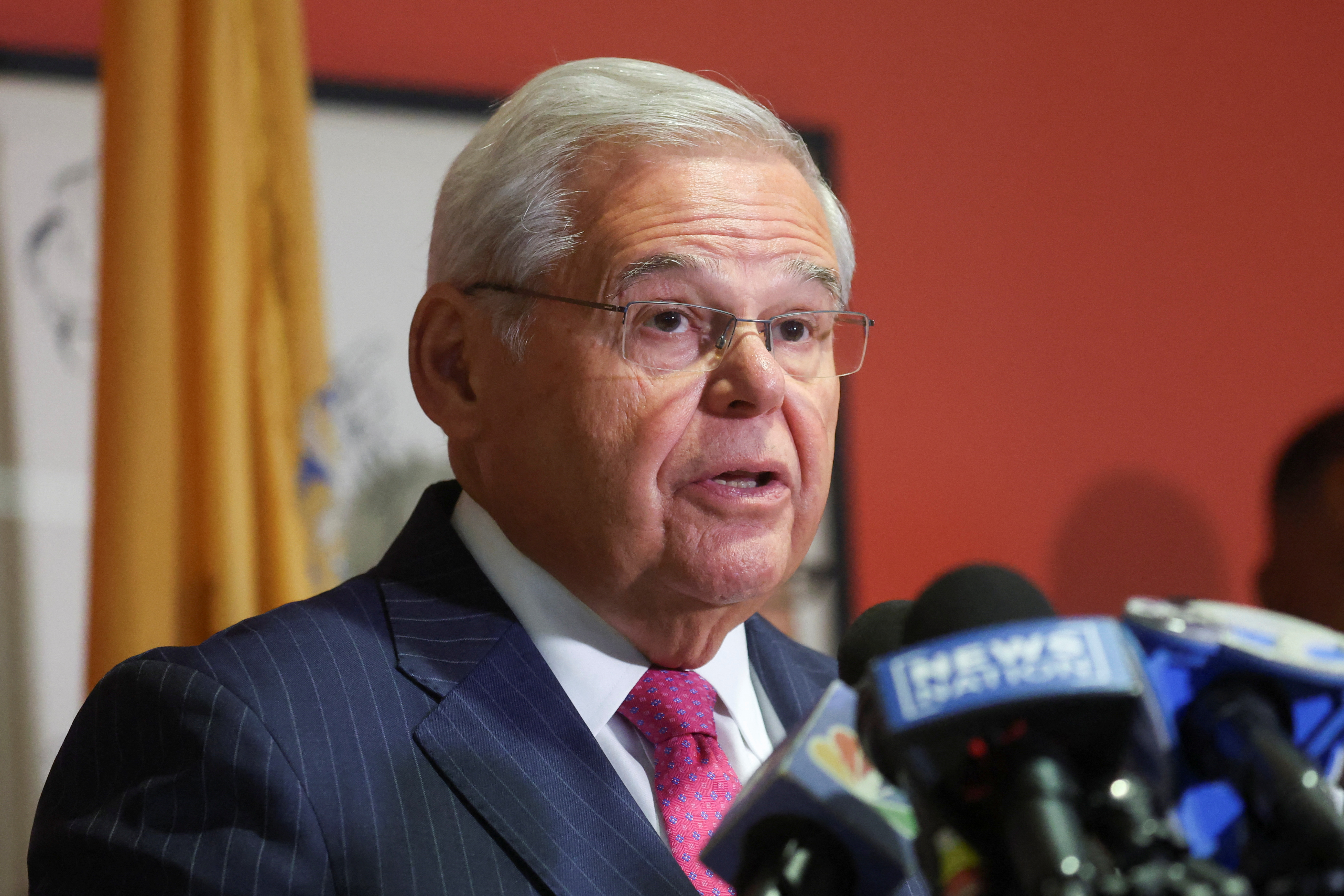
U.S. Senator Bob Menendez to make first remarks following indictment

U.S. Senator Robert Menendez (D-NJ) delivers remarks, after he and his wife Nadine Menendez were indicted on bribery offenses in connection with their corrupt relationship with three New Jersey businessmen, in Union City, New Jersey, U.S., September 25, 2023. REUTERS/Mike Segar Acquire Licensing Rights

WASHINGTON, Sept 26 (Reuters) – Charges that Senator Bob Menendez accepted bribes in exchange for wielding his influence to aid the Egyptian government prompted calls in the U.S. Congress on Tuesday for the Biden administration to rethink $235 million in military aid to Cairo.

Democratic Senator Chris Murphy, who chairs the Senate Foreign Relations Committee’s Middle East subcommittee, said he hoped the committee would investigate the allegations and Egypt’s involvement.

U.S. prosecutors announced an indictment on Friday accusing Menendez of accepting gold bars and hundreds of thousands of dollars in cash in exchange for wielding his influence to aid the Egyptian government.

“I would hope that our committee would consider using any ability it has to put a pause on those dollars, pending an inquiry into what Egypt was doing,” Murphy told reporters.

“I have not talked to colleagues about this yet, but obviously this raises pretty serious questions about Egypt, Egypt’s conduct,” he said.

The indictment against Menendez also says he had close relationships with members of Egypt’s intelligence services and held meetings to discuss U.S. military aid.

Menendez has repeatedly denied wrongdoing. He has stepped down temporarily from his role as chairman of the powerful Senate Foreign Relations Committee. Senate Democratic rules require a member charged with a felony to give up any leadership position.

President Joe Biden’s administration decided this month to allow much of U.S. foreign military aid to Egypt to go ahead, saying the country was vital to national security interests despite what critics have said about human rights abuses.

Murphy was among lawmakers who criticized the decision.

Representative Don Beyer, a Democratic House of Representative member and co-founder of the congressional Egypt Human Rights Caucus, said Egypt “is conducting an espionage operation within the U.S. Senate” and Washington should respond.

“I think that calls for a much stronger response from the Biden administration, and the straightforward one is to withhold (the military funds),” Beyer said on CNN.

Reporting by Patricia Zengerle; Editing by Tom Hogue

Our Standards: The Thomson Reuters Trust Principles.

Patricia Zengerle has reported from more than 20 countries, including Afghanistan, Iraq, Pakistan, Saudi Arabia and China. An award-winning Washington-based national security and foreign policy reporter who also has worked as an editor, Patricia has appeared on NPR, C-Span and other programs, spoken at the National Press Club and attended the Hoover Institution Media Roundtable. She is a recipient of the Edwin M. Hood Award for Diplomatic Correspondence.